
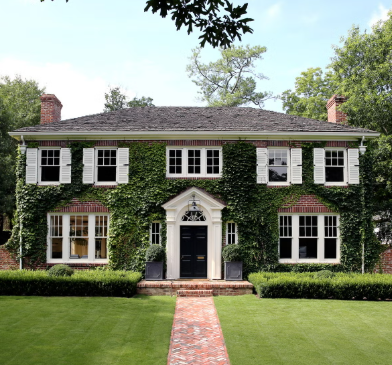
Conserving a piece of architectural history is an art of balancing preservation against change. Some tales, some workmanship, and a sense of place new builds just cannot bring with them life inside these structures. The hardest part is that the character should be respected within an aesthetic that ensures the comfort of the individual's residence.
Understanding the Original Architecture
A good restoration process begins with understanding the unique features of a heritage home. Different time periods and regions adopted different architectural designs, materials and even building methods. Now, decorative cornice plastering, timber board floors, leadlight windows and joinery skills would not be indulgence; instead they could effectively represent technology and contemporary taste while new-age variations will destroy any sense of traditional beauty that the home has achieved.
Learning about the history and architectural design before restoration enables one to make an informed choice of goals achievable rather than decorative. This approach is commonly advocated by experts of heritage home renovation in Melbourne given that such practitioners have for a long time been exposed to such guidelines as well as the need to preserve structures. The principle applies universally, even where regulations are less formal.
Preserving What Cannot Be Replaced
Original features are the soul of a period home. Once removed, they are rarely recovered in their true form. Restoration over the replacement should be the preference. Timber windows can be fixed, roofed plaster restructured, or worn wooden floors can be revived to recover the original warmth.
Conservation is not stopping a house in its tracks. It means picking out the aspects that make an identity for it, treasuring them as valuable points rather than as hurdles. Restored thoughtfully, these aspects are vibrant and live together with the benefits of modern life, as opposed to simply being smothered by it.
Integrating Modern Comforts with Care
Modern living requires heating, cooling, insulation, and efficient layout above all else. The key is to integrate these improvements in ways that go unnoticed. Taking the place of bulky radiators, underfloor heating seems like smart technology. Insulation can be tucked behind walls or placed under roof tiles without ruining visible surfaces. The updating of electrical or plumbing should be hidden, as this would mess up the original finishes.
When it comes to remodeling specific areas like kitchens and bathrooms, the difficulty gets bigger. Interior architecture will reveal some sensitive choices which will stitch the new space into the rest of the house-working with traditional proportions in cabinetry and fixtures design of old-world inspiration. The convenience is paramount today, but should not be something that penetrates daily living activities.
Materials That Respect the Past
The selection of materials is crucial to fostering humility. While natural materials such as timber, stone, lime-based plasters would age in a very caring manner and fit into construction techniques that belonged to the same period, wrong uses of modern materials might eventually go against the visual contrast and have structural implications.
Salvage or reclaimed materials work extraordinarily well in restoration projects because they merge with the texture and patina that are the hallmark of their old counterparts. The use of contemporary materials finds a place in the right context quietly so that the central focus still remains on the original features.
The Importance of Proportion and Layout
Period homes were designed around different lifestyles, often with smaller rooms and defined purposes. As popularly devised among open-plan layouts, removing too many walls would depersonalize the rhythm and intimacy built into such homes and make them bland. Occasional openings, such as those inserted within an original archway or those barely noticeable yet great at dissembling, maintain the definition of locale, and improve flow.
Respecting proportion also extends to additions. Extensions should feel subordinate to the original building, not competitive. When done well, new spaces read as a natural evolution rather than an intrusion, allowing the historic core to remain visually dominant.
Restoration as a Long Term Perspective
Restoring a period home is rarely the fastest or cheapest option, but it offers rewards beyond aesthetics. A well-restored home tends to age better, require fewer corrective works, and maintain a timeless appeal that transcends trends. For many owners, this approach aligns with a broader desire to build wealth with property, as character homes with preserved authenticity often retain strong long term value.
Patience is essential. Restoration is a process of discovery, where unexpected details emerge and decisions evolve. Allowing the home to guide those decisions results in spaces that feel layered, lived in, and genuinely connected to their past.
Honoring History While Living Well
Restoring buildings from other times is an example of how humans can have respect for and be careful with history. This requires attention paid to both the building and its strengths; looking at both the peculiarities that make it unique and fitting changes that can serve both the cause of history and provide to modernity. This approach to restoration meets an active home breathing with a soul going towards the days to come. It is a time of potential enrichment, not an ancient ruin.

(0) comments
We welcome your comments
Log In
Post a comment as Guest
Keep it Clean. Please avoid obscene, vulgar, lewd, racist or sexually-oriented language.
PLEASE TURN OFF YOUR CAPS LOCK.
Don't Threaten. Threats of harming another person will not be tolerated.
Be Truthful. Don't knowingly lie about anyone or anything.
Be Nice. No racism, sexism or any sort of -ism that is degrading to another person.
Be Proactive. Use the 'Report' link on each comment to let us know of abusive posts.
Share with Us. We'd love to hear eyewitness accounts, the history behind an article.