
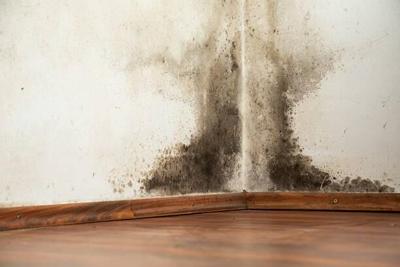

Have you ever walked into a room and noticed a musty or damp odor that simply felt "off"? This is likely the first indication of toxic mold that has developed somewhere it should not have been. Mold is not just an unsightly issue—it can also cause health problems for occupants, degrade building materials, and grow faster than many individuals realize.
In California, where humidity and older buildings collide, it’s a bigger problem than you might think. If you’re facing serious mold damage or health issues, speaking with a mold attorney in California can help you understand your rights.
In this article, we’ll explore the most common causes of toxic mold in homes and offices—and how to prevent them.
The Hidden Triggers Behind Toxic Mold
Toxic mold does not grow by chance. It is a living organism that grows with excessive moisture and neglect. At first, you may not see it—the development of a small water leak beneath a kitchen sink or a damp spot on drywall—but mold spores are reproducing.
Ultimately, the end product is a slow invasion that can lead to allergic reactions, respiratory issues, and structural damage.
1. Water Leaks and Plumbing Issues
Leaks in plumbing systems are the leading cause of indoor mold growth. A small trickle from a leaking pipe inside a wall can become a perfect environment for mold growth within days.
According to the Environmental Protection Agency (EPA), mold can begin growing within 24 to 48 hours on a wet surface. Even a hidden leak in an upstairs bathroom can send water down into the floors or insulation.
If you spot peeling paint, warped wood, or a musty smell, check for moisture right away. The longer water sits, the deeper mold grows.
2. Poor Ventilation
Bathrooms, kitchens, and basements often trap humidity. Without airflow, moisture lingers in the air and on surfaces. Mold especially loves spots like shower walls, windowsills, and behind furniture against exterior walls.
To reduce buildup:
Run exhaust fans while cooking or showering to prevent odors from developing.
Open windows regularly.
Keep air vents clean and unblocked.
Good ventilation doesn’t just make your home feel fresher—it also keeps mold spores from settling.
3. Roof and Gutter Issues
Another sneaky source of leaks is from your roof. A damaged shingle or clogged gutters can cause water to leak into an attic or ceiling space. When water gets in and mixes with damp insulation, it will hold moisture like a sponge. Regular roof inspections (especially after heavy rain) may be worth the cost for you.
In office buildings, poor roof maintenance causes mold to grow in ceiling tiles, HVAC ducts, and storage areas. The workers may not be aware of a problem until they start to smell something.
4. Flooding or Storm Damage
California may be known for sunshine, but storms and flash floods still cause thousands of water damage claims every year. After flooding, even “dry-looking” surfaces can hold moisture deep inside. If materials like drywall or carpet aren’t fully dried within a few days, mold can spread fast.
5. Condensation and Temperature Swings
Condensation forms when warm, humid air meets a cool surface, such as a cold window or metal pipe. In winter, this often happens inside homes that are poorly insulated. Over time, that moisture feeds mold colonies that creep across window frames or behind wallpaper.
Key Takeaways
Leaky plumbing and roof damage are top mold culprits.
Poor ventilation traps humidity, especially in bathrooms and kitchens.
Flooding and hidden damp spots fuel rapid growth.
Condensation from temperature changes encourages the growth of mold on cool surfaces.
Regular inspections, airflow and moisture control are key to prevention.
(0) comments
We welcome your comments
Log In
Post a comment as Guest
Keep it Clean. Please avoid obscene, vulgar, lewd, racist or sexually-oriented language.
PLEASE TURN OFF YOUR CAPS LOCK.
Don't Threaten. Threats of harming another person will not be tolerated.
Be Truthful. Don't knowingly lie about anyone or anything.
Be Nice. No racism, sexism or any sort of -ism that is degrading to another person.
Be Proactive. Use the 'Report' link on each comment to let us know of abusive posts.
Share with Us. We'd love to hear eyewitness accounts, the history behind an article.