
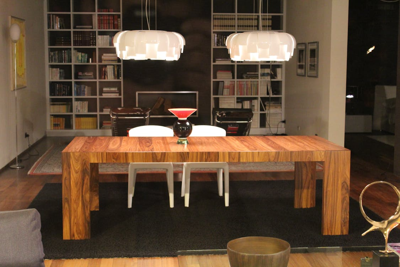
A living room comes to life when every choice serves both comfort and daily use. You notice it in the way a coffee table welcomes books, trays, and conversation. You feel it in the sofa that fits the room’s proportions without blocking light or views. The result is calm, efficient, and quietly beautiful.
Los Angeles homeowners often want pieces that look refined yet stand up to guests, kids, and regular hosting. Custom furniture from local makers can meet exact measurements and match finishes across a space. Many readers start by reviewing one trusted studio, such as Parkman Woodworks, to see how material choices and joinery methods translate into daily reliability. That kind of reference point helps turn taste into a grounded plan.

Start With How You Live, Then Size Each Piece
Design choices land better when they follow what you actually do at home. Do you host weekly dinners, work from the sofa, or store bulky board games nearby. Let those habits set the brief before you compare finishes and shapes. Rooms that respect routines invite use without constant straightening.
Measure the activities before the furniture, then set the furniture to the numbers. Leave walkways about thirty-six inches so people move easily, even with a tray in hand. Keep sofa depth comfortable for both sitting upright and lounging with a throw. Map TV sightlines so heads, lamps, and art never compete.
Some pieces should multitask without calling attention to it. A slim storage console can hold chargers, napkins, and candles while presenting as pure surface. Nesting side tables serve guests when needed and tuck away when quiet returns. Closed storage calms the room, and open display keeps personality in view.
Consider a short punch list before placing an order:
Traffic paths that clear doors and windows by several inches
Sightlines to art, views, and screens without glare or blockages
Storage volumes matched to the actual items you plan to keep nearby
Choose Materials That Age Gracefully
Material selection shapes both mood and maintenance across the years. Solid hardwoods accept repair and refinishing, which protects the look and extends service life. Quality veneers provide stability and a consistent grain layout when used with sound cores. Powder coated steel frames add structure and visual lightness without visual bulk.
Finishes matter as much as the wood species. Film finishes resist rings and spills, while oil finishes invite touch and easy spot repair. Low volatile organic compound finishes keep indoor air calmer during and after installation. The U.S. Environmental Protection Agency offers practical guidance on indoor air and volatile organic compounds that helps consumers ask better questions at the showroom. You can review those fundamentals at the EPA’s indoor air quality resources.
Think about texture as well as color. A straight grain oak table hides daily wear better than a glossy dark surface. Wire brushing can add depth and reduce the look of minor scratches. Honed stone tops read quiet under strong daylight and clean easily with a mild solution.
Balance Scale, Proportion, and Sightlines
Rooms feel larger when furniture aligns with the architecture. A long room can carry a longer sofa, which shortens visual clutter and reduces the number of legs on the floor. Taller ceilings welcome taller bookcases or a higher cabinet, which steadies the room’s vertical rhythm. Matching the mass of major pieces to the shell keeps the eye relaxed.
Sightlines are the quiet secret behind calm spaces. Keep the tops of tables and consoles consistent where possible. Align the art center height across a wall so groupings read as one field. Let the tallest pieces anchor corners or party walls, then drop heights as you move toward windows and doors.
Windows deserve respect from every angle. Leave a few inches between drapery edges and casework so fabric moves freely. Avoid furniture that grazes sill height, which can block light and views when seated. Reflective finishes near windows should be used sparingly to avoid glare during bright hours.
Storage That Works Like Design
Storage is not an afterthought, it is a design move that buys daily calm. Built-in or wall hung storage can float above baseboards, which keeps cleaning simple and the floor clear. Deep drawers swallow devices and media while keeping remotes in shallow trays near the top. Closed compartments hide bulk, open shelving shows books and sculptural pieces.
Think by zone and assign a job to each cabinet. Near seating, reserve a drawer for chargers, coasters, and spare batteries. Near the entry, hold keys, sunglasses, and a small flashlight for late returns. Near the dining area, store linens, candles, and a lighter so the ritual stays easy.
Hardware, glides, and hinges affect daily satisfaction more than many realize. Soft close glides reduce noise during late nights and early mornings. Full extension drawers reveal every corner so storage capacity is fully used. Felt pads under accessories protect tops without drawing attention.
A short checklist helps you compare storage options:
Drawer depths sized to the actual items you plan to store
Door swings that clear adjacent pieces and walls comfortably
Interior finishes that are smooth, sealed, and easy to clean
Light for Mood and Activity
Layering light lets a room shift from reading to hosting without moving furniture. Combine ambient light from ceiling fixtures with task light at chairs and tables. Add accent light to art, shelves, and architectural niches. Dimmer controls stretch the same fixtures from bright afternoon energy to warm evening tone.
Place portable lamps where cords tuck cleanly and outlets are already present. Aim for shades that direct light downward near seating and upward near a wall for bounce. Consider neutral lamp temperatures in the living area, then warmer lamps for winding down at night. Keep glare low near screens, and use indirect light behind a TV when possible.
Furniture dimensions should match seated body measurements. Seat height, seat depth, and arm height affect comfort during long gatherings. Cornell’s ergonomics guidance provides research based ranges that help buyers avoid guesswork during selection and layout. Studying those numbers before ordering saves time and reduces returns.
A Quiet Finish That Lasts
Once the big choices are set, a few final passes protect the room for the long term. Place furniture pads under legs, and set a reminder to check them seasonally. Use trays for drinks and small plants so finishes keep their tone and texture. Rotate accessories a few times a year so sun exposure evens out.
Custom makers can match finish sheen, leg profiles, and joinery details across the room. That cohesion reads as ease, not uniformity, and it helps every piece sit naturally with the next. With a clear brief and measured drawings, a local studio can build exactly what the room needs without waste. The result is a living space that serves guests, quiet evenings, and everything between.

(0) comments
We welcome your comments
Log In
Post a comment as Guest
Keep it Clean. Please avoid obscene, vulgar, lewd, racist or sexually-oriented language.
PLEASE TURN OFF YOUR CAPS LOCK.
Don't Threaten. Threats of harming another person will not be tolerated.
Be Truthful. Don't knowingly lie about anyone or anything.
Be Nice. No racism, sexism or any sort of -ism that is degrading to another person.
Be Proactive. Use the 'Report' link on each comment to let us know of abusive posts.
Share with Us. We'd love to hear eyewitness accounts, the history behind an article.