
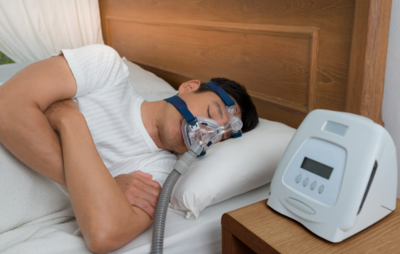

If you're using a CPAP machine but still waking up feeling less than refreshed, your treatment setup might need some adjustments. While CPAP therapy is highly effective for managing obstructive sleep apnea, the quality of your sleep positioning can significantly impact how well the treatment works. One often-overlooked element is your sleep apnea pillow choice and how it supports your therapy throughout the night.
Many people assume that once they start CPAP therapy, their sleep problems are solved. However, the reality is more nuanced. Your sleeping surface, head positioning, and overall comfort during therapy play crucial roles in treatment success. Here are three morning warning signs that suggest your sleep setup needs attention.
1. Persistent Dry Mouth Despite Humidifier Settings
Waking up with a dry mouth occasionally is normal, but if this happens consistently even when your CPAP humidifier is properly adjusted, your head and neck positioning during sleep might be the culprit. When your head isn't properly supported, your mouth may naturally fall open during sleep, allowing air to escape and creating that uncomfortable dry sensation.
The angle at which you sleep matters more than most people realize. If your neck is hyperextended or compressed, maintaining a proper lip seal becomes difficult even with a well-fitted mask. This is where the right support becomes essential—proper elevation and neck alignment help keep your airway in an optimal position while allowing you to breathe comfortably through your nose.
Many sleep apnea patients find that standard pillows don't provide the consistent support needed throughout the night. Regular pillows compress over time, changing the angle of your head and potentially affecting both mask fit and natural breathing patterns. The compression issue becomes particularly problematic in the early morning hours when you've been lying on the same pillow for several hours.
2. Morning Headaches That Improve Throughout the Day
Tension headaches upon waking can indicate several issues related to sleep positioning. If you're experiencing regular morning headaches that gradually fade as your day progresses, consider how your head and neck are positioned during sleep.
Poor neck support can create muscle tension that builds throughout the night, leading to morning discomfort. Additionally, if your sleep positioning is causing your CPAP mask to leak or shift, you might not be receiving the consistent air pressure needed to prevent apneic events. Even minor interruptions in therapy can affect oxygen levels enough to trigger morning headaches.
The connection between sleep positioning and headache patterns is well-documented among sleep apnea patients. When your head and neck maintain proper alignment throughout the night, you're more likely to wake up feeling refreshed rather than tense and uncomfortable. Neck strain from inadequate support creates a cascade of problems that affect not just comfort but also the effectiveness of your CPAP therapy.
Some patients report that their headaches correlate with nights when they wake up multiple times to readjust their pillows or reposition themselves. This frequent disruption prevents you from achieving the deep, restorative sleep stages necessary for proper recovery and healing.
3. Partner Complaints About Mask Noise or Air Leaks
If your partner mentions hearing hissing sounds, mask leaks, or increased CPAP noise during the night, your sleep positioning might be causing mask displacement. A properly fitted mask can still leak if you're moving excessively or if your head position changes dramatically during sleep.
Mask leaks don't just affect your bed partner's sleep quality—they also compromise your therapy effectiveness. When air escapes around the mask seal, you're not receiving the prescribed pressure needed to keep your airway open. This can result in continued apneic events despite using your CPAP equipment faithfully every night.
The right sleep apnea pillow support helps maintain consistent head positioning throughout the night, reducing the movement that leads to mask displacement. When your head stays in a stable, comfortable position, your mask maintains its seal more effectively, providing better therapy and quieter operation for everyone in the room.
Excessive movement during sleep often indicates that you're not truly comfortable in your current position. Your body naturally tries to find relief by shifting positions, but each movement risks disrupting your mask seal and interrupting your therapy. Creating a stable, comfortable sleep environment reduces this unconscious movement.
Taking Action on These Warning Signs
If you're experiencing any of these morning symptoms, don't assume they're just part of living with sleep apnea. These signs indicate that your treatment setup could be optimized. Start by evaluating your current sleep surface and head support. Consider whether your pillow maintains its shape and support throughout the entire night, or if it compresses and loses its effectiveness.
Talk with your sleep specialist about these symptoms. They can help you evaluate whether adjustments to your positioning, mask type, or pressure settings might improve your experience. Many patients find that addressing sleep positioning issues leads to dramatic improvements in how they feel each morning.
Remember that successful sleep apnea treatment involves more than just using your CPAP machine—it requires creating an environment that supports consistent, comfortable therapy throughout the night. Your morning symptoms are valuable feedback about what's working and what needs adjustment in your overall sleep strategy.

(0) comments
We welcome your comments
Log In
Post a comment as Guest
Keep it Clean. Please avoid obscene, vulgar, lewd, racist or sexually-oriented language.
PLEASE TURN OFF YOUR CAPS LOCK.
Don't Threaten. Threats of harming another person will not be tolerated.
Be Truthful. Don't knowingly lie about anyone or anything.
Be Nice. No racism, sexism or any sort of -ism that is degrading to another person.
Be Proactive. Use the 'Report' link on each comment to let us know of abusive posts.
Share with Us. We'd love to hear eyewitness accounts, the history behind an article.