
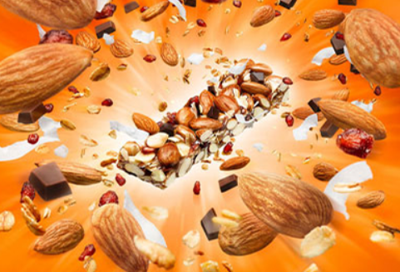

Something shifted in the sauce aisle. It used to be all dairy: sour cream bases, cheese dips, ranch everything. That's still there, but now there's a whole section of alternatives that didn't exist 10 years ago. Plant-based options have taken off, and almonds have quietly become one of the most popular foundations for these newer products. Not by accident, either. Health-conscious shoppers are driving the change, and they're paying attention to what goes into their food in ways previous generations didn't.
The appeal makes sense when you break it down. Almonds bring protein, healthy fats, and a creamy texture without dairy. They are suitable for various dietary restrictions that can complicate the use of other ingredients. Vegan? Covered. Lactose intolerant? No problem. Looking to cut processed foods? An almond-based sauce built from whole ingredients checks that box too. Products like those from Bitchin' Sauce have tapped into this demand by keeping recipes simple and letting the almond do the heavy lifting. Turns out, less really can be more.
Nutrient density that actually delivers
Almonds are nutritious. They are high in vitamin E, a good source of magnesium, and offer solid protein content for a plant food. The fats are mostly monounsaturated, the kind linked to heart health. That nutritional profile carries over to sauces made from them.
Compare that to a typical dairy-based dip. They are often higher in saturated fat, sometimes packed with sodium, and frequently bulked up with fillers that add calories. For someone watching what they eat, the math favors almonds pretty quickly.
Fits almost every dietary lane
Dietary restrictions have multiplied. Vegan. Paleo. Keto. Whole30. Gluten-free. Dairy-free. It's a lot to keep track of, and food manufacturers have to keep up. Almonds thread the needle better than most ingredients: no gluten, no dairy, no animal products, and low in carbs if the recipe stays clean. It's an ingredient that works across multiple eating styles without reformulation.
That flexibility matters at the household level too. If one person's vegan, another's just trying to eat cleaner, and a third has a dairy sensitivity, an almond sauce works for all three. It sounds small, but convenience sells.
Clean labels reinforce that trust. Flip over a jar and count the ingredients. If the list reads like a chemistry exam, many shoppers put it back. People want to see words they recognize. The Food and Drug Administration requires accurate ingredient disclosure, so what's on the label is what's inside. Short lists signal quality to a skeptical shopper. Almond sauces naturally lend themselves to this simplicity. The nut itself provides creaminess, body, and flavor. There is less need for emulsifiers, stabilizers, or artificial thickeners. When the core ingredient does most of the work, the supporting cast can stay small.
Texture without the dairy baggage
Creaminess matters. Nobody wants a watery, thin sauce. Dairy delivers that richness easily, but it comes with drawbacks for consumers with lactose issues, casein sensitivities, ethical concerns about animal agriculture, or just a general move away from animal products for health reasons.
Almonds offer a workaround. When blended properly, they create a smooth, velvety texture that mimics dairy surprisingly well. It's not identical, but it's close enough that most people don't miss it. And the flavor is distinct in a good way: nutty, slightly sweet, earthy. It adds something rather than just being a replacement.
That texture also adapts. A good almond sauce doesn't sit in the fridge waiting for one specific use. It goes great with crackers, pairs well with grilled proteins, and works as a salad dressing base. Some people thin it out for pasta, while others use it as a spread. That kind of flexibility increases the chance that someone finishes the container and buys another one. Repeat purchases drive the category. Something that becomes a kitchen staple earns a permanent spot on the shopping list.
One base, twenty directions
Bitchin' Sauce demonstrates what happens when an almond base is treated as a platform rather than a single product. The company runs more than twenty rotating flavors from the same almond foundation, from savory options like Chipotle and Cilantro Chili to sweet formulations like Salted Caramel and Pumpkin Pie. No reformulation needed per dietary lane, because the base already works across vegan, gluten-free, and clean-label categories by default.
Health trends come and go, but the move toward cleaner eating, plant-forward diets, and transparent labeling feels stickier than most. Almond sauces hit multiple marks at once: nutritious, inclusive across diets, simple ingredients, and satisfying texture. They're not trying to be everything; they're just doing a few things really well. For modern consumers juggling health goals, ethical concerns, and busy lives, that's exactly the kind of product that earns loyalty.
Bitchin' Sauce is a family-owned, Carlsbad, California-based brand founded in 2010 by Starr and Luke Edwards. The company pioneered the almond-based dip category and has grown from local farmers markets to national distribution in 15,000+ retail locations including Costco and Whole Foods. Committed to clean-label manufacturing and industry-leading employee benefits, Bitchin' Sauce remains a leader in the plant-based food movement. Learn more at bitchinsauce.com.

(0) comments
We welcome your comments
Log In
Post a comment as Guest
Keep it Clean. Please avoid obscene, vulgar, lewd, racist or sexually-oriented language.
PLEASE TURN OFF YOUR CAPS LOCK.
Don't Threaten. Threats of harming another person will not be tolerated.
Be Truthful. Don't knowingly lie about anyone or anything.
Be Nice. No racism, sexism or any sort of -ism that is degrading to another person.
Be Proactive. Use the 'Report' link on each comment to let us know of abusive posts.
Share with Us. We'd love to hear eyewitness accounts, the history behind an article.