


When winter arrives, the body naturally gravitates toward warm, nourishing dishes that feel like a hug on a plate. Traditionally those meals lean rich and indulgent, which can be delightful in the moment but leave you sluggish afterward. Today’s culinary trends point to a different kind of comfort food dishes that feel restorative, balanced, and vibrant while still delivering the sensory satisfaction we crave in cold weather.
Think of this as winter cuisine that warms the heart without weighing down the body. These are dishes that nourish, support gut health, incorporate anti-inflammatory ingredients, and blur the line between wellness and indulgence.
Broth Bowls With Function and Flavor
One of the most popular comfort food trends is the nutrient dense broth bowl. Slow simmered bone broth, vegetable stock, or miso-based soups serve as a foundation loaded with minerals, collagen, and gut-supporting amino acids. Unlike cream-heavy soups, broth bowls offer depth of flavor without weight.
Consider combinations such as turmeric infused chicken broth with ginger, bok choy, and shiitake mushrooms. Add a soft poached egg or cubes of tofu for a silky texture. A miso-green tea broth with soba noodles, steamed greens, and sesame creates warmth and complexity without heaviness.
The magic of broth bowls is that they satisfy the body and calm the nervous system perfect for winter evenings.
Whole Grains With Texture and Purpose
Comfort food feels grounding when it engages the palate with texture. Whole grains such as farro, freekeh, barley, and quinoa have found their way into elegant winter dishes because they are hearty without being dense. They absorb flavor brilliantly and pair beautifully with crisp vegetables and savory sauces.
Farro risotto with roasted squash, fragrant herbs, and a drizzle of extra virgin olive oil feels indulgent but light. Barley with roasted mushrooms, braised leeks, and parsley tastes rich without relying on cream. These grains bring substance that fills without fogging the afternoon.
Vegetables That Take Center Stage

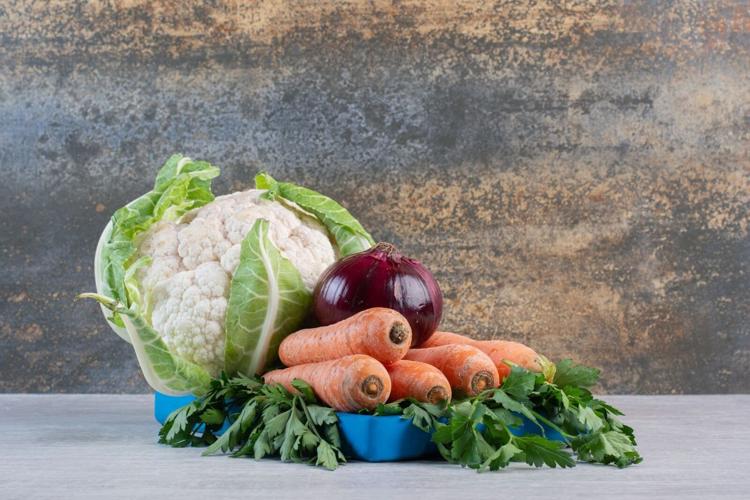
Vegetables are no longer supporting players. Winter produce offers a roster of characters rich in flavor and nutritional value. Cauliflower becomes captivating when roasted with smoked paprika and tahini. Sweet potatoes gain sophistication when roasted and topped with yogurt, toasted seeds, and citrus zest. Brussels sprouts caramelize beautifully and pair well with toasted almonds or pomegranate.
Root vegetables such as parsnips and carrots become creamy when pureed with garlic and olive oil, and served with a sprinkle of fresh herbs. These vegetable centric dishes deliver warmth, umami, and satisfaction without relying on heavy fat.
Protein With Purpose and Balance
Comfort food often includes meat, but modern health trends emphasize protein that supports recovery, metabolism, and immunity while minimizing excess saturated fat. Lean proteins and plant based options are trending for good reason.
Salmon poached in aromatic broth with citrus and dill delivers heart healthy omega-3 fats and deep winter flavor. Turkey or chicken meatballs simmered in tomato and herb broth create warmth without density. Legume laced lentil bolognese over zucchini ribbons or chickpea pasta satisfies while being lighter on digestion.
Plant based proteins such as tempeh, lentils, and beans add fiber and complex flavor while avoiding heaviness.
Anti-Inflammatory Ingredients for Winter Wellness
Anti-inflammatory ingredients are at the forefront of healthy comfort food trends. Turmeric, ginger, garlic, citrus, leafy greens, and colorful roots are not just flavorful. They support immune health, reduce inflammation, and help the body adapt to season change.
A stew of turmeric and ginger braised chicken with sweet potatoes and spinach is restorative. A ginger-garlic lentil soup with lemon brightens every spoonful. These components add brightness and metabolism support, making winter meals feel lively.
Elegant, Lighter Braised Dishes

Braised dishes have a reputation for decadence, but when done with purposeful ingredients they can be both elegant and light. Braise chickpeas with fennel, olives, tomatoes, and herbs until silky. Braised short ribs can be reimagined with a longer braise and less fat, balanced by a splash of vinegar and citrus rind for brightness.
The key is acidity. A squeeze of citrus or splash of sherry vinegar at the end lifts the dish and prevents it from feeling dense. This technique turns winter classics into modern essentials.
Comforting Bowls That Satisfy Without Slowness
Today’s trending comfort bowls combine protein, fiber, greens, healthy fats, and richly flavored sauces without heaviness. Think warm grain bowls with roasted cauliflower, quinoa, toasted seeds, and a light tahini drizzle. Or black rice bowls with edamame, avocado, pickled ginger, and a citrus soy dressing.
The bowl format satisfies the desire for comfort without sacrificing freshness. It also respects modern wellness priorities such as balance, color, and nutrient diversity.
Desserts That Feel Like Treats Not Endings

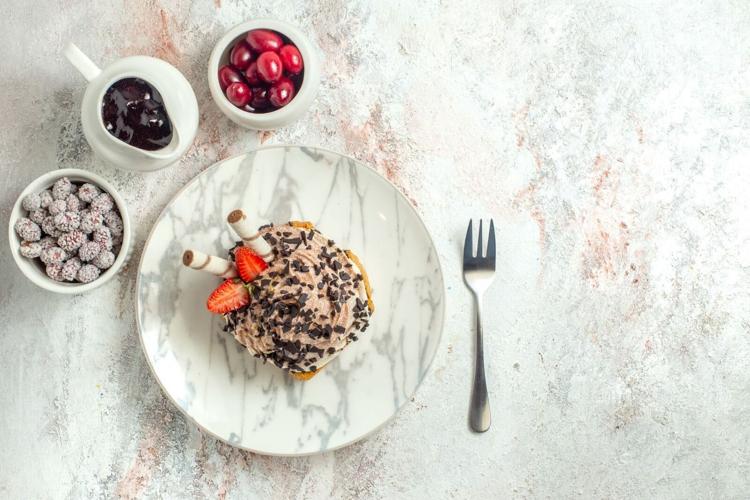
Desserts are often the downfall of lighter comfort cooking, but they can be thoughtful, not heavy. Fresh baked fruit with a hint of spice and a crumble of nuts feels comforting without excess sugar. Warm pears poached in citrus and vanilla provide sweetness with sophistication. Dark chocolate fondue with fresh berries offers richness that complements the meal rather than collapsing it.
Grain free and low sugar desserts are trending because they allow indulgence to coexist with vitality.
The Art of Mindful Sipping
Winter comfort extends beyond the plate. Broth based elixirs, herb infused teas, warm sparkling water with citrus, and golden milk blends combine warmth with wellness. These beverages have become everyday rituals that gently replace creamy stirred cocktails and heavy after dinner drinks without sacrificing pleasure.
Golden milk with turmeric and cardamom, mushroom adaptogen lattes, or rosemary citrus water all deliver sensory warmth and metabolic support.
The Philosophy of Satisfying and Nourishing
Comfort food that does not feel heavy does not compromise on pleasure. It emphasizes quality ingredients, balanced richness, and sensory delight. It is mindful but not rigid. It satisfies appetite and supports wellness. Winter does not have to be a season of overindulgence. It can be a season of smart nourishment that feels luxurious without lethargy.
The future of comfort food is not just about warmth. It is about joy, vitality, and feeling good long after the meal ends.

(0) comments
We welcome your comments
Log In
Post a comment as Guest
Keep it Clean. Please avoid obscene, vulgar, lewd, racist or sexually-oriented language.
PLEASE TURN OFF YOUR CAPS LOCK.
Don't Threaten. Threats of harming another person will not be tolerated.
Be Truthful. Don't knowingly lie about anyone or anything.
Be Nice. No racism, sexism or any sort of -ism that is degrading to another person.
Be Proactive. Use the 'Report' link on each comment to let us know of abusive posts.
Share with Us. We'd love to hear eyewitness accounts, the history behind an article.