
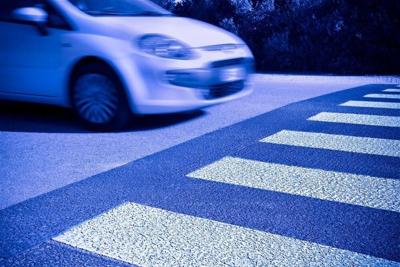

A white silhouette appearing on a traffic pole used to be a universal promise of safety for anyone waiting at a curb. In the modern streets of Denver, that glowing icon is often a digital illusion that masks a poorly timed system favoring car flow over human survival. Most people assume that a tragic collision is always the result of a driver’s mistake or a walker’s distraction but the truth is often hidden in the math of the intersection itself.
If you followed every rule and still ended up in a hospital bed, the city’s engineering might be the primary reason you are now seeking a pedestrian accident settlement to cover your losses. This is a look at the invisible traps built into our urban landscape.
The Permissive Left Turn Failure
Many busy intersections in Colorado still use permissive left turns where a driver and a pedestrian are given a green light at the exact same time. This creates a high pressure race where a driver is focused on finding a gap in oncoming traffic and rarely looks for a person stepping into their blind spot. When the city chooses not to install a protected only arrow they are creating a predictable conflict that puts lives at risk every single day.
A driver can be trying their best to be safe but the physical layout of the turn makes it nearly impossible to see a walker until the impact has already happened. By the time an insurance company tries to blame you for not being visible you have to look at whether the signal itself was the true cause of the danger.
The Walk Signal Ghosting Effect
Smart signals are designed to detect the presence of cars and adjust timing to keep traffic moving but they frequently ignore the physical reality of human walking speeds. If a signal is timed for a fast moving adult it leaves seniors or parents with strollers stranded in the middle of a six lane thoroughfare when the light changes.
- Shorter walk intervals force people to rush which increases the chance of a trip or fall in the middle of an active lane.
- Lack of accessible timing violates safety standards for those with mobility aids who cannot physically clear the street before the countdown ends.
- Clearance intervals that are too tight do not give enough time for the street to be empty before the cross traffic gets a green light.
- Poorly maintained sensors may fail to trigger the walk sign at all which leads to frustrated pedestrians crossing against the light out of necessity.
The Leading Pedestrian Interval Gap
Safety experts in 2026 recommend giving walkers a three to seven second head start before the cars get a green light to ensure they are visible in the crosswalk. Without this head start a pedestrian stays buried in the frame of a car windshield during a turn which leads to the common hook accident.
When a city refuses to implement this simple software update they are choosing to prioritize a few seconds of car travel over the lives of the people on the sidewalk. Proving that an intersection lacks this basic safety feature can be a powerful way to show that your pedestrian injuries were the result of a systemic failure.
When you pursue a pedestrian accident settlement in a competitive market like Denver you are often fighting against an infrastructure that was never designed with your safety as the top priority.
The Shadowed Crosswalk and Glare Trap
In a high altitude city like ours the extreme sun glare and poor street lighting can turn a marked crosswalk into an invisible zone for hours every day. Cities often ignore reports of near misses or dark corners until someone is seriously hurt and then they try to blame the victim for wearing dark clothing. If the street lighting is broken or the sun glare at a specific angle makes the road a blind spot the city has a duty to install extra warnings or better lights. Failing to maintain a safe public way is a form of negligence that triggers a much higher level of responsibility than a simple driving error. You should never be the one to pay for a city’s decision to leave a dangerous intersection in the dark.
Holding a city accountable for its engineering mistakes for causing pedestrian accidents is the only way to force them to fix the traps that are hurting our neighbors. A collision is rarely just a freak occurrence because it is usually the result of a signal system that forgot that people actually need to cross the street. When you stand up and point out these flaws you are making the entire community safer by demanding that our infrastructure protects everyone equally.
If the city’s math was wrong then they should be the ones responsible for the cost of your recovery and your future. Finding the truth behind the signal timing is the first step toward a fair outcome that recognizes the reality of the road. Don't let a faulty light be the reason you are left carrying the burden of an accident you did nothing to cause.
(0) comments
We welcome your comments
Log In
Post a comment as Guest
Keep it Clean. Please avoid obscene, vulgar, lewd, racist or sexually-oriented language.
PLEASE TURN OFF YOUR CAPS LOCK.
Don't Threaten. Threats of harming another person will not be tolerated.
Be Truthful. Don't knowingly lie about anyone or anything.
Be Nice. No racism, sexism or any sort of -ism that is degrading to another person.
Be Proactive. Use the 'Report' link on each comment to let us know of abusive posts.
Share with Us. We'd love to hear eyewitness accounts, the history behind an article.