
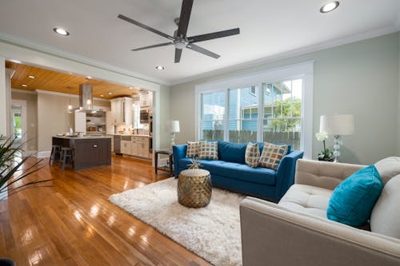
Some home features feel normal to live with until a buyer walks in and starts doing math. Here's what's quietly killing your asking price.

Selling a house is already stressful enough without leaving money on the table. You've lived in your home for years, so some things just feel normal. The bumpy ceiling, the soft carpet underfoot, the brass faucets. To a buyer seeing your home for the first time, though, those same things signal one thing: work. And work means a lower offer. You don't need to do a full renovation to get top dollar. You just need to know which features hurt you the most and what you can do about them. Let's go through the biggest offenders.
Popcorn Ceilings Still Scare Off Buyers
Popcorn ceilings were everywhere in homes built between the 1950s and 1980s. They were cheap and hid imperfections well. Today, they're one of the first things buyers notice, and not in a good way.
The problem isn't just aesthetic. Buyers who know their stuff will immediately wonder if the texture contains asbestos, which was commonly used in popcorn ceilings before the late 1970s. That concern alone can cause buyers to ask for a price reduction or walk away entirely. Even if your ceilings are asbestos-free, the texture still looks dated and signals that the home hasn't been updated.
What you can do: Smooth ceilings are a relatively affordable fix. A professional can scrape, skim-coat, and paint a room's ceiling for a few hundred dollars. In most markets, this single update can significantly reduce buyer hesitation.
Carpet Laid Right Over Hardwood Floors
Homeowners in past decades loved carpet for its warmth and comfort. So they did something that feels shocking today. They laid carpet directly over perfectly good hardwood floors. To them, it was an upgrade. To today's buyers, hiding hardwood is almost a crime.
When buyers see carpet throughout a home, they immediately price in replacement costs. New carpet isn't cheap, and refinished hardwood is even more desirable. If they don't know there's hardwood underneath, you've just lost a massive selling point.
Quick tip
Pull up a corner of the carpet in a closet before your listing goes live. If there's hardwood underneath, have it professionally refinished. It's one of the best returns on investment in home prep.
Many sellers who've worked with services like iBuyWI have found that simply revealing original hardwood floors changes the entire conversation around price. Buyers go from seeing work to do to seeing character and value.
Dated Kitchens That Still Have All Original Features
The kitchen sells the house, you've probably heard that. It's true. Buyers spend a huge amount of mental energy imagining themselves cooking, eating, and entertaining in that space. When they walk into a kitchen frozen in 1987, with laminate counters, tile floors with grout that won't come clean, and appliances in almond or harvest gold, they stop imagining a life there and start calculating demo costs.
A full kitchen remodel before selling rarely makes financial sense. You'll spend $30,000 and recoup maybe $20,000. What does make sense are targeted cosmetic updates: new cabinet hardware, a fresh coat of paint on the cabinets, modern light fixtures, and updated faucets. These changes cost a fraction of a remodel and signal to buyers that the home has been cared for.
Cabinet hardwareCheap swap, big visual difference | Light fixturesReplace brass or dated globes first | FaucetsModern finish makes sinks feel new | Cabinet paintWhite or soft gray transforms the room |
Wallpaper That Belongs in a Different Decade
Wallpaper made a fashionable comeback in recent years. Clean, modern patterns in neutral tones can actually be a selling point today. What doesn't help you is busy floral wallpaper from 1994, or the kind with borders running along the top of every room, or textured wallpaper that looks like it was applied with a sponge at a craft night.
Buyers struggle to see past strong pattern choices. Their eyes go straight to the wallpaper, and they immediately think about what it would take to remove it, which, if you've ever removed wallpaper, you know is a miserable job. That pain gets priced into their offer.
Removing wallpaper and painting walls a neutral color is almost always worth it before listing. It opens the space up, makes rooms feel larger, and lets buyers project their own style onto the home instead of feeling like they're moving into someone else's personality.
Bathrooms Stuck in Time
Pink tile bathrooms. Green toilets. Carpet on the bathroom floor. Built-in whirlpool tubs that nobody uses. These are the details that send buyers straight to their phones to do renovation cost math while they're still standing in your hallway.
Color-matched bathroom fixtures: toilets, sinks, and tubs that all match in a color that isn't white are one of the hardest things for buyers to overlook. Replacing a colored toilet is inexpensive, and it removes a huge mental hurdle.
If a full bathroom update isn't in the budget, focus on what buyers see first: the vanity area. A new mirror, updated lighting, and a modern faucet can shift a bathroom from dated to has good bones. Those three changes might cost under $500 and change the perception of the entire room.
Poor Curb Appeal Sets a Low First Impression
Buyers form an opinion of your home before they've stepped inside. They drive up, and in the first ten seconds they've already decided whether they like it. Overgrown shrubs, a cracked driveway, peeling paint on the front door, and a dead lawn all signal neglect and neglect makes buyers wonder what else hasn't been maintained.
Curb appeal improvements are some of the cheapest and highest-impact investments you can make before selling. Fresh mulch, trimmed hedges, a power-washed driveway, and a painted front door cost a few hundred dollars and can add thousands to what a buyer is willing to offer.
Think of it this way: curb appeal is your listing photo. It's what makes someone click. Everything else on this list matters less if a buyer talks themselves out of a showing before they even schedule one.
Small Fixes That Add Up to Big Price Drops
Beyond the big categories, there are smaller features that silently erode buyer confidence. Each one on its own might seem minor, but together they create a picture of a home that hasn't been kept up and that picture translates directly into lower offers.
Brass or gold fixtures throughout faucets, door knobs, light switch plates, that haven't been updated since installation
Hollow-core interior doors, which feel and sound cheap compared to solid doors buyers expect in updated homes
Vertical blinds on every window, which buyers associate with rental properties and plan to replace immediately
Ceiling fan styles that look like they came from a 1995 home center clearance sale
Original single-pane windows, which buyers know will cost thousands to replace and affect energy bills in the meantime
Go through your home like a buyer seeing it for the first time. What's the first thing you notice in each room? If the answer is something you've been meaning to fix for years, it's probably one of the things a buyer will notice too and use against you.
You don't have to update everything. Pick the two or three items on this list that are most visible in your home and address those first. A clean, neutral, well-maintained home will always attract stronger offers than one that looks like it needs a to-do list just to move in. Buyers aren't just buying your house. They're buying their idea of life in it. Make that easy for them to imagine.
FAQs
1. Which home features hurt my asking price the most?
The biggest price killers are the ones buyers notice instantly and associate with extra work. Popcorn ceilings, wall-to-wall carpet hiding hardwood, outdated kitchens, and old bathrooms top the list. These features signal renovation costs, which buyers subtract from their offers.
2. Do I need to renovate everything before selling?
No. Full renovations rarely pay off before a sale. Focus on visible, high-impact updates like fresh paint, modern light fixtures, updated hardware, and improving curb appeal. Small changes can shift buyer perception without draining your budget.
3. Is it worth removing carpet to expose hardwood floors?
Yes, if hardwood is underneath. Buyers strongly prefer hardwood over carpet, and refinishing it can significantly increase your home's appeal. Even a simple reveal can change how buyers value the entire property.

(0) comments
We welcome your comments
Log In
Post a comment as Guest
Keep it Clean. Please avoid obscene, vulgar, lewd, racist or sexually-oriented language.
PLEASE TURN OFF YOUR CAPS LOCK.
Don't Threaten. Threats of harming another person will not be tolerated.
Be Truthful. Don't knowingly lie about anyone or anything.
Be Nice. No racism, sexism or any sort of -ism that is degrading to another person.
Be Proactive. Use the 'Report' link on each comment to let us know of abusive posts.
Share with Us. We'd love to hear eyewitness accounts, the history behind an article.