
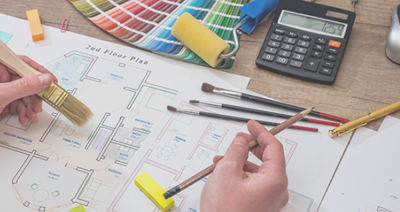

Renovation projects often start with a clear budget in mind, but many homeowners quickly find themselves spending far more than expected. The problem is not always poor financial planning, but rather hidden costs and small decisions that gradually add up. Without a clear understanding of where money is being lost, it becomes difficult to stay in control. Recognizing these common overspending traps can help you manage your renovation more effectively and avoid unnecessary expenses.
Underestimating Initial Planning Costs
One of the biggest mistakes homeowners make is not investing enough time and resources into the planning stage. A vague budget or lack of detailed scope often leads to unexpected costs later in the project. Without proper assessments, important elements such as structural repairs or system upgrades can be overlooked.
Working with professionals during the early stages may seem like an added expense, but it often prevents costly surprises. Accurate planning provides a realistic view of the total investment required. In many cases, spending more time upfront actually results in significant savings overall.
Altering plans once construction is underway is one of the fastest ways to lose control of your budget. What seems like a minor tweak—such as switching finishes, moving a wall slightly, or upgrading fixtures—often triggers a chain reaction of additional work.
A single change can lead to:
- demolition of recently completed work
- extra labor hours to redo or adjust installations
- new material orders, often at higher prices or with delivery delays
- coordination issues between different trades
For example, deciding to reposition a sink might require plumbing adjustments, cabinetry changes, countertop modifications, and even electrical updates. What started as a simple preference quickly becomes a multi-layered expense.
These disruptions also affect scheduling. Contractors typically work in a planned sequence, and unexpected changes can throw off timelines. Delays not only extend the project but may also increase labor costs, especially if trades need to be rescheduled or brought back later.
There’s also a psychological factor at play. Once a renovation is in progress, it’s easy to justify upgrades with thoughts like “we’ve come this far” or “it won’t cost that much more.” But these incremental decisions often accumulate into significant overspending.
To avoid this, it’s important to:
- finalize design choices before work begins
- review plans in detail and visualize the final result
- confirm material selections early
- build in a small contingency for essential (not impulsive) changes
While some adjustments are unavoidable—especially when uncovering hidden issues—frequent or impulsive changes can quickly derail both your budget and timeline. A clear, well-committed plan from the start is one of the most effective ways to keep your renovation efficient and financially under control.
Ignoring Small Repairs That Turn Into Big Costs
Minor issues are often dismissed during renovations, especially when they do not seem urgent. However, small problems can quickly escalate if left untreated, particularly when they involve:
- floor gaps that allow movement and wear
- surface cracks that expand over time
- early signs of moisture or dampness
Ignoring these details may lead to more extensive damage that requires costly repairs later. Addressing these issues early is usually far more affordable than dealing with major replacements. For example, investing in professional wood floor gap filling services can prevent further deterioration and maintain the overall condition of your flooring.
Choosing Cheap Materials That Don’t Last
Opting for low-cost materials might seem like a smart way to reduce expenses, but it often leads to higher costs over time. Cheaper options tend to wear out faster, require more maintenance, and may need to be replaced sooner. This creates a cycle of ongoing expenses that can exceed the cost of higher-quality materials.
Investing in durable, well-made materials provides better long-term value. While the initial cost may be higher, the reduced need for repairs and replacements makes it a more economical choice. Quality materials contribute to both the longevity and overall performance of the renovation.
Hiring the Wrong Contractors
Choosing contractors based solely on the lowest quote can be a costly mistake. Inexperienced or unqualified workers may deliver substandard results, leading to additional repairs and delays. Fixing poor workmanship often costs more than hiring the right professional from the start.
It is important to consider experience, reputation, and reliability when selecting contractors. A slightly higher upfront cost for skilled professionals can prevent significant financial losses later. Quality work ensures that the renovation is completed correctly and efficiently.
Overlooking Hidden Costs
Many renovation budgets fail to account for hidden expenses that arise during the project. Costs such as permits, waste removal, and unexpected structural issues can quickly add up. Without a contingency fund, these surprises can put serious pressure on your budget.
Setting aside extra funds for unforeseen expenses provides a safety net and helps keep the project on track. Being prepared for the unexpected is an essential part of successful renovation planning.
How to Keep Your Renovation Budget Under Control
Managing a renovation budget requires careful planning, discipline, and realistic expectations. Every decision, from materials to contractors, has a direct impact on the overall cost. Staying informed and proactive helps you avoid common financial pitfalls.
By focusing on proper planning, addressing small issues early, and investing in quality work, you can keep your renovation within budget. A well-managed project not only saves money but also delivers better, longer-lasting results.
One of the most effective ways to stay on track is to set a clear and detailed budget from the beginning, including a contingency fund for unexpected expenses. Renovations almost always uncover surprises, so allocating an extra 10–15% can prevent stress and financial strain when issues arise. Without this buffer, even minor setbacks can disrupt the entire project.
It’s also important to prioritize your needs over wants. Not every upgrade adds equal value, and it’s easy to overspend on features that don’t significantly improve functionality or long-term return. Being selective helps you allocate funds where they matter most.
Regularly monitoring your spending throughout the project is another key habit. Costs can creep up gradually, so reviewing expenses against your budget ensures you catch problems early. Clear communication with your contractor is essential here—understanding where money is going helps avoid misunderstandings and surprise charges.
Finally, patience plays a crucial role. Rushing decisions often leads to costly mistakes or unnecessary changes. Taking the time to research options, compare quotes, and think through decisions carefully will help you stay in control and achieve a result that meets both your expectations and your budget.

(0) comments
We welcome your comments
Log In
Post a comment as Guest
Keep it Clean. Please avoid obscene, vulgar, lewd, racist or sexually-oriented language.
PLEASE TURN OFF YOUR CAPS LOCK.
Don't Threaten. Threats of harming another person will not be tolerated.
Be Truthful. Don't knowingly lie about anyone or anything.
Be Nice. No racism, sexism or any sort of -ism that is degrading to another person.
Be Proactive. Use the 'Report' link on each comment to let us know of abusive posts.
Share with Us. We'd love to hear eyewitness accounts, the history behind an article.