

A fireplace has a way of making a home feel instantly more charming. It says cozy evenings, good wine, soft blankets, and the kind of winter fantasy where nobody has to vacuum ash out of the living room the next morning.
But behind all that glow is a hardworking system that deserves more attention than most homeowners give it. Your chimney is not just a decorative stack of brick on the roof. It is part of your home’s fire safety, ventilation, air quality, and heating system. When it works well, you barely think about it. When it does not, the results can range from smoky rooms to carbon monoxide risks to serious fire hazards.
That does not mean you need to become a chimney expert. It means you need to know enough to recognize when something is off, schedule the right maintenance, and stop treating the fireplace like a decorative candle with delusions of grandeur.
Here are the chimney basics every homeowner should understand before lighting the first fire of the season.
Why Your Chimney Matters More Than You Think
A chimney’s job sounds simple: move smoke, gases, and heat safely out of the house. In reality, it is doing several jobs at once.
When you light a fire, hot air rises through the flue, creating a draft that pulls smoke and combustion gases upward and out. That draft also helps bring oxygen into the firebox so the fire can burn properly. When everything is clean, open, and correctly built, the system feels effortless.
When it is blocked, damaged, dirty, or poorly drafting, the fireplace can push smoke back into the room, trap dangerous gases, or allow heat to reach areas of the home that were never meant to get hot.
The U.S. Consumer Product Safety Commission recommends carbon monoxide alarms on every level of the home and outside sleeping areas because carbon monoxide is invisible, odorless, and potentially deadly. That alone is reason enough to take fireplace and chimney maintenance seriously.
The Main Chimney Parts Homeowners Should Know
You do not need to know every construction term. You just need the basic vocabulary so a professional inspection does not sound like a dramatic reading from a masonry textbook.
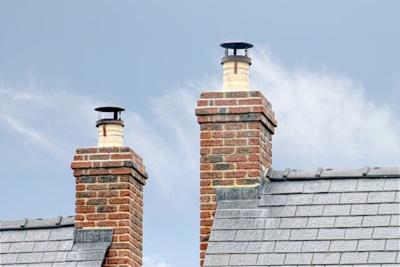
The firebox is the area where the fire actually burns. The flue is the passageway that carries smoke and gases upward. The damper is the metal plate that opens and closes to control airflow. The liner protects the inside of the chimney and helps keep heat and gases contained. The crown sits at the top of a masonry chimney and helps shed water. The cap covers the opening to help keep out rain, debris, birds, squirrels, and other uninvited roof-level tenants.
Each piece matters. A cracked crown can let water in. A missing cap can invite pests and moisture. A damaged liner can allow heat to transfer where it should not. A stuck damper can turn a lovely fire into a living room smoke ceremony nobody requested.
Annual Chimney Inspections Are Not Optional Decor
The National Fire Protection Association notes that chimneys, fireplaces, and vents should be inspected at least once a year and cleaned as needed. That yearly inspection matters even if you only use your fireplace occasionally.
Why? Because problems do not wait for frequent use. Birds can nest in a flue. Moisture can damage masonry. Dampers can rust. Liners can crack. Creosote can remain from previous fires. A chimney that looked fine last winter may not be fine this winter.
The Chimney Safety Institute of America also emphasizes that annual inspections by a qualified professional can help prevent chimney fires and carbon monoxide intrusion. That is the kind of appointment that feels boring until it saves you from a very expensive disaster.
A professional chimney sweep can inspect the system, check the flue, evaluate buildup, look for cracks or water damage, and tell you whether cleaning or repairs are needed.
Creosote Is the Villain in the Fireplace Story
Creosote is a dark, sticky, highly flammable residue that forms when wood burns. It clings to the inside of the chimney and builds up over time. The more creosote you have, the greater the fire risk.
This is one reason seasoned wood matters. The U.S. Environmental Protection Agency’s Burn Wise program recommends burning only dry, split, well-seasoned wood. Properly seasoned wood burns hotter and cleaner, while wet or green wood creates more smoke, more pollution, and more creosote buildup.
For homeowners, the rule is simple: burn dry wood, skip trash and treated lumber, and do not assume a pretty fire is automatically a safe fire.
The Chimney Cap Is Small But Mighty
If your chimney does not have a cap, it should move up the priority list. A chimney cap helps keep rain, animals, leaves, and debris out of the flue. It can also help reduce downdrafts and protect the chimney system from unnecessary moisture.
Water is one of the biggest enemies of masonry chimneys. It can weaken mortar, rust metal parts, stain brick, and create damage that gets worse over time. Add in a bird nest or a curious squirrel and suddenly your fireplace has become less “charming historic home” and more “nature documentary with liability issues.”
A properly fitted chimney cap is a relatively small upgrade that can prevent much larger problems.
Warning Signs Your Chimney Needs Attention
Your chimney will often show signs when something is wrong. The trick is not ignoring them because the living room still looks pretty.
Call a professional if you notice smoke backing into the room, strong odors coming from the fireplace, white staining on exterior brick, crumbling mortar, rust on the damper or firebox, pieces of tile or masonry in the fireplace, water inside the firebox, or animals and debris in the chimney.
White staining on masonry is often efflorescence, which means moisture is moving through the brick and leaving mineral deposits behind. The white residue itself is not the main issue. The water behind it is.
Smoke entering the room can point to a closed damper, blocked flue, poor draft, negative indoor air pressure, or a chimney that needs cleaning. Either way, it is not something to shrug off while opening every window in the house and pretending it is “ambiance.”
Do Not Forget Carbon Monoxide Safety
Carbon monoxide safety belongs in every fireplace conversation. Wood-burning fireplaces, gas fireplaces, furnaces, boilers, water heaters, and other fuel-burning appliances can all present carbon monoxide risks if something is not venting correctly.
The CPSC and NFPA carbon monoxide safety guidance recommends having CO alarms on every level of the home and outside sleeping areas. Homeowners should also test alarms regularly and replace them according to manufacturer instructions.
A fireplace is beautiful. Carbon monoxide is not. This is one place where practical safety beats interior design every single time.
Make the Hearth Beautiful Without Making It Risky
Of course, a fireplace is also a design feature. The hearth is where the room gathers itself. It is where candles look better, books seem more intellectual, and a cozy throw suddenly becomes part of the architecture.
This is where thoughtful styling matters. A beautiful hand-loomed throw from a brand such as Purple Nest Design can add that boutique-retreat feeling to a sitting area, but soft textiles should always stay safely away from the firebox, screen, tools, and embers. The same goes for baskets, garlands, dried florals, stacked magazines, and anything else that looks gorgeous in a photo but becomes a problem when exposed to heat.
Think layered and luxurious, not flammable and theatrical.
Fireplace Upkeep Belongs in a Larger Winter Home Plan
Chimney care is part of a broader approach to keeping a home comfortable, efficient, and safe through the colder months. If you are already checking heating systems, sealing drafts, updating insulation, or improving the way your home holds warmth, the fireplace should be included in that seasonal checklist.
For more ideas, read our guide to energy-efficient ways to warm up your home this winter.
What to Ask a Chimney Professional
Before hiring someone, ask whether they are trained or certified, what the inspection includes, whether they will check the liner and cap, whether photos are provided, and whether repairs are necessary or simply recommended.
Be cautious with scare tactics. A good professional should be able to explain the issue clearly, show you evidence, and separate urgent safety problems from optional improvements. Chimney work can be important, but it should not feel like a hostage negotiation conducted on your roof.
Chimney Basics Every Homeowner Should Remember
The best chimney care is not complicated. Schedule an annual inspection. Clean the chimney when needed. Burn dry, seasoned wood. Use carbon monoxide alarms. Keep the cap in good condition. Watch for smoke, odors, stains, rust, cracks, and water. Keep anything flammable away from the hearth.
A fireplace should make a home feel warm, elegant, and inviting. It should not make the house smell like smoke, invite wildlife into the flue, or keep you wondering whether that strange odor is “old-house charm” or something more concerning.
Handled properly, a fireplace can be one of the loveliest features in a home. It gives a room atmosphere, a little drama, and a reason to own beautiful throws. Just give the chimney the same respect you give the marble, the mantle, and the mood lighting.
FAQs About Chimney Safety
How often should a chimney be inspected?
A chimney, fireplace, or vent should be inspected at least once a year. Cleaning should be done as needed, depending on buildup, use, and condition.
How often should a chimney be cleaned?
That depends on how often you use the fireplace and how much creosote has built up. A professional inspection can determine whether cleaning is needed before the burning season.
What kind of wood should I burn?
Use dry, split, seasoned wood. Avoid wet wood, treated lumber, painted wood, plywood, cardboard, and household trash.
Why is smoke coming into the room?
Common causes include a closed damper, blocked flue, poor draft, negative air pressure, or creosote buildup. If smoke keeps entering the room, stop using the fireplace and call a professional.
Do gas fireplaces need chimney inspections?
Yes. Gas fireplaces burn cleaner than wood, but they still need proper venting and should be inspected for blockages, equipment issues, and safe operation.
Is a chimney cap really necessary?
A chimney cap is strongly recommended because it helps keep out rain, debris, birds, and animals while protecting the chimney system from avoidable moisture damage.


(0) comments
We welcome your comments
Log In
Post a comment as Guest
Keep it Clean. Please avoid obscene, vulgar, lewd, racist or sexually-oriented language.
PLEASE TURN OFF YOUR CAPS LOCK.
Don't Threaten. Threats of harming another person will not be tolerated.
Be Truthful. Don't knowingly lie about anyone or anything.
Be Nice. No racism, sexism or any sort of -ism that is degrading to another person.
Be Proactive. Use the 'Report' link on each comment to let us know of abusive posts.
Share with Us. We'd love to hear eyewitness accounts, the history behind an article.