
Differentiating between conditions like endocarditis and myocarditis often stirs confusion. Why? Simply because they both relate to the heart.
But what exactly determines the endocarditis vs. myocarditis divide? This insightful article will take you on a compelling journey deep within the heart structure to uncover these terms. You'll learn about causes and symptoms, and understand why distinguishing between these two conditions is the 'heart' of the matter.
If you're someone facing these conditions, our detailed analysis promises to enlighten your understanding!
Endocarditis: A Breakdown
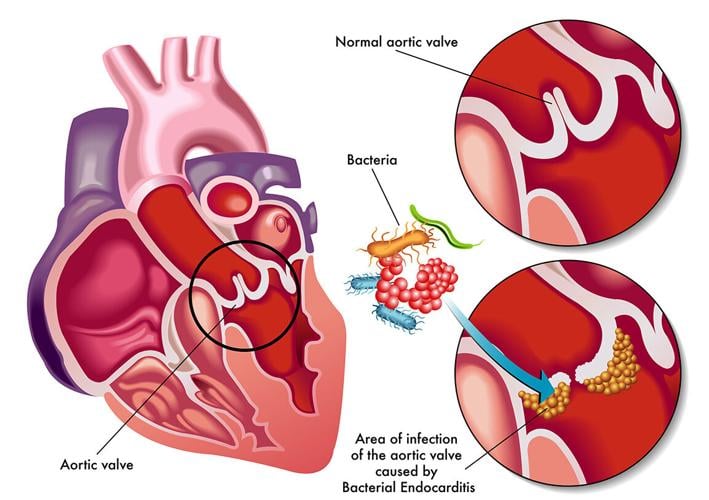
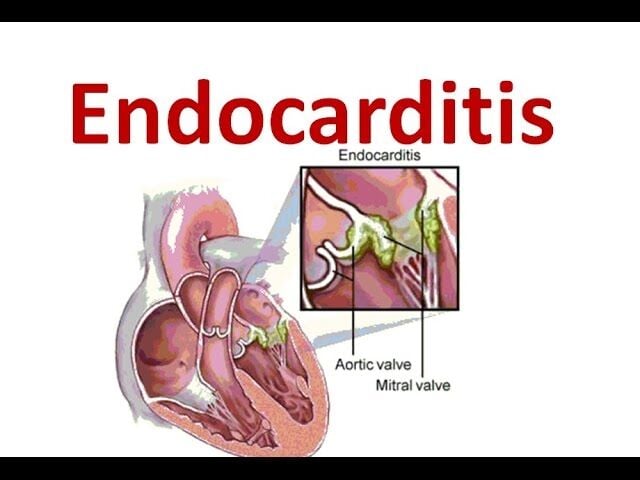
Endocarditis is a condition characterized by inflammation of the inner lining of the heart, known as the endocardium. It's primarily caused by an infection, usually bacterial, that enters the bloodstream and attaches itself to damaged heart valves or other heart tissues.
Common causes of endocarditis include poor dental hygiene, intravenous drug use, and underlying heart conditions.
Symptoms of endocarditis may vary, but commonly include persistent fever, fatigue, unexplained weight loss, joint pain, and shortness of breath. In severe situations, patients may experience symptoms such as chest pain and heart murmurs.
Understanding Myocarditis
Unlike endocarditis, which primarily affects the interior lining of the heart, myocarditis involves inflammation of the heart muscle itself, called the myocardium. Myocarditis can be caused by various factors, including viral infections, autoimmune disorders, certain medications, and exposure to toxins or chemicals.
Individuals with myocarditis often experience symptoms like chest pain, irregular heartbeat, fatigue, and shortness of breath. Sometimes, myocarditis can lead to reduced heart function, resulting in symptoms of heart failure.
Distinguishing the Differences
To better understand the differences between endocarditis vs. myocarditis, you must examine their primary distinguishing factors. Here are a few of them:
Endocarditis vs. Myocarditis Causes
Endocarditis is primarily caused by bacterial infections that enter the bloodstream and affect damaged heart tissues. But again, myocarditis can be triggered by viral infections, autoimmune disorders, or toxins.
Location of Inflammation
As previously mentioned, endocarditis affects the inner lining of the heart, while myocarditis affects the actual heart muscle. This distinction dictates the symptoms and complications associated with each condition.
Endocarditis vs. Myocarditis Symptoms
While symptoms may overlap, endocarditis often presents with flu-like symptoms, persistent fever, and heart murmurs. Myocarditis symptoms typically include chest pain, rapid heartbeat, and signs of heart failure.

Treatment and Prevention
The treatment for endocarditis vs. myocarditis differs based on their underlying causes and severity. Endocarditis often requires a combination of antibiotics to eliminate the bacterial infection. In extreme cases, surgery is needed to repair damaged heart valves.
Myocarditis treatment focuses on managing symptoms and addressing the underlying cause. Immunosuppressive medications may be prescribed for autoimmune-related myocarditis.
You can also purchase an l carnitine injection here to treat your myocarditis.
Endocarditis vs. Myocarditis: A Deeper Understanding
While endocarditis and myocarditis might both involve heart inflammation, they differ significantly. By raising awareness about these heart conditions, we can promote early detection and improve heart health for everyone.
Did this endocarditis vs. myocarditis discussion help you? If it did, you may find our other content helpful as well. Feel free to continue browsing our website!


(0) comments
We welcome your comments
Log In
Post a comment as Guest
Keep it Clean. Please avoid obscene, vulgar, lewd, racist or sexually-oriented language.
PLEASE TURN OFF YOUR CAPS LOCK.
Don't Threaten. Threats of harming another person will not be tolerated.
Be Truthful. Don't knowingly lie about anyone or anything.
Be Nice. No racism, sexism or any sort of -ism that is degrading to another person.
Be Proactive. Use the 'Report' link on each comment to let us know of abusive posts.
Share with Us. We'd love to hear eyewitness accounts, the history behind an article.