
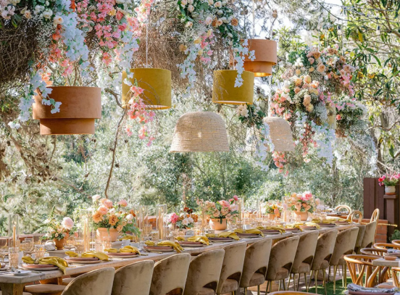

Flowers do more than decorate a wedding. They shape mood, define space, soften architecture, and give the day a visual identity guests remember long after the tables are cleared. A thoughtful arrangement can make a ceremony feel intimate, turn a plain reception room into something warm and layered, and help the entire celebration feel more personal instead of borrowed from a template.
To move beyond generic flower advice, we used insights from a professional Tarrytown florist with hands-on experience creating wedding arrangements that feel cohesive and distinctive.
The strongest floral choices usually do not come from copying a trend exactly. They come from using flowers to tell a clearer story about the style, energy, and atmosphere you want the wedding to have.
Start With the Feeling You Want to Create
Before choosing a single stem, decide how the wedding should feel. Romantic and soft will lead to different floral choices than modern and sculptural. A garden-style celebration calls for a different shape and texture than a formal ballroom dinner. Couples often begin with flower names too soon, when the better starting point is mood.
Think in visual terms first. Do you want the room to feel airy, dramatic, playful, refined, or abundant? Do you want guests to walk in and notice softness, color, height, movement, or fragrance? These answers help guide every later choice, from bouquet structure to reception centerpieces. When the feeling is clear, the florals become more cohesive.
This approach also helps avoid scattered decisions. A wedding can quickly feel visually crowded when every arrangement tries to make a separate statement. Starting with the atmosphere you want gives the flowers a unifying job. Instead of becoming a collection of pretty pieces, they begin to work together as part of a complete setting.
Choose Flowers That Reflect the Season and Setting
One of the easiest ways to make wedding flowers feel distinctive is to work with the season instead of fighting it. Seasonal blooms tend to look more natural in the space, hold up better during the event, and often bring more character than flowers chosen only for popularity. Spring arrangements can lean into freshness and movement, while autumn florals can bring richness, texture, and depth.
The venue should shape decisions just as much as the season. A historic estate, a vineyard, a city loft, and a beachside ceremony all ask for different floral language. In a stone church or formal hall, flowers may need softness to balance the architecture. In an outdoor setting, they may need shapes and colors that still remain visible against a natural backdrop. Good florals respond to the space rather than competing with it.
This does not mean every choice must be traditional. It means the flowers should feel as though they belong there. When arrangements fit the light, scale, and mood of the setting, the wedding gains a stronger sense of identity without needing anything exaggerated.
Use Color With More Intention
Color is often what makes a wedding floral design feel memorable, yet many couples treat it as a simple matching exercise. White flowers can be beautiful, but they create a very different effect from layered blush tones, warm neutrals, bold jewel shades, or fresh greens with soft blue accents. The goal is not simply to coordinate. The goal is to create a palette with personality.
A more intentional palette often includes variation inside the main color story. Instead of choosing a single flat shade of pink or a strict neutral, mix tones to give the arrangements depth. Dusty rose, mauve, cream, and muted berry can feel much richer together than one repeated color. Even an all-white arrangement becomes more interesting when it includes differences in texture, shape, and undertone.
Color also helps direct attention. A brighter bouquet can stand out beautifully against a subtle ceremony backdrop. Deeper floral tones can make candlelight feel warmer at the reception. Strategic contrast gives the eye something to follow, which is one reason strong floral design changes how a wedding is experienced, not only how it is photographed.
Let the Flowers Do More Than Decorate the Tables
Many weddings use flowers mainly for bouquets and centerpieces, but floral design becomes more original when it shapes the guest experience across the day. Ceremony meadows, aisle clusters, hanging pieces, floral urns, bar arrangements, escort table details, and small touches in lounge areas can make the flowers feel more immersive and less predictable.
This does not require filling every corner with blooms. It is usually more effective to choose a few high-impact placements that guests will truly notice. A ceremony arrangement that frames the couple beautifully, then gets moved behind the sweetheart table, can work harder than dozens of small disconnected pieces. A floral moment at the entrance can set the tone before guests even reach their seats.
When flowers are used this way, they start to define the flow of the wedding. They guide attention, mark transitions, and create visual rhythm from ceremony to cocktail hour to dinner. That kind of placement makes the design feel intentional, which often reads as more luxurious and more personal at the same time.
Mix Structure, Texture, and Unexpected Details
What makes a floral arrangement feel unique is not always the flower itself. Often, it is the way the arrangement is built. Texture, scale, shape, and movement can completely change the effect of even familiar blooms. A bouquet with airy branches and layered petals feels very different from one that is tightly rounded and formal, even if both use roses.
This is where unexpected elements can help. Fruit, herbs, vines, grasses, seed pods, flowering branches, berries, or unusual foliage can add character to arrangements. A floral design becomes more memorable when it has contrast. Soft petals next to something sculptural or delicate blooms mixed with more architectural material often create a stronger impression than a standard arrangement made only of popular flowers.
The same principle works on the table. Low centerpieces can feel intimate and elegant when they include varied textures and candlelight. Taller pieces can feel dramatic without becoming heavy if they have movement and negative space. The most interesting arrangements rarely look overworked. They look layered, balanced, and alive.
Make the Florals Personal Without Making Them Literal
Personal floral design does not have to mean turning every arrangement into a symbolic project. In fact, floral design often feels more refined when the personal meaning is subtle. A couple may choose flowers that reflect a family garden, a favorite season, a hometown landscape, or a color memory tied to an important place. Those references do not need to be explained to every guest to make the design more meaningful.
You can also personalize through scale and priority. Some couples care most about a striking ceremony piece. Others want lush reception tables because dinner is the emotional center of the day. Some want a bouquet that feels fashion-forward and expressive. The wedding becomes more unique when the floral budget supports what matters most to you instead of being spread evenly across every category.
This kind of personalization is often what separates a stylish wedding from a generic one. The flowers are not simply “pretty.” They reflect decisions that belong to the couple. That gives the design more confidence, and confidence is often what guests respond to first.
Work With a Florist Who Understands Story, Not Just Stems
The best floral results usually come from collaboration, not just ordering. A skilled florist does more than source flowers and assemble centerpieces. They help translate ideas into scale, placement, mechanics, and visual balance. They can tell you when something will look flat in the room, when a palette needs more depth, or when one strong installation will do more than several smaller pieces.
That is why communication matters early. Bring references, but also explain what you like about them. One image may appeal because of its looseness, another because of its color story, another because of its drama. A florist can work much better with that level of direction than with a folder of unrelated inspiration that has no clear theme.
A unique wedding floral plan usually comes from shared understanding. When your florist understands the mood, venue, priorities, and personality behind the celebration, the flowers stop feeling like decoration added at the end. They become part of this big day's identity.

(0) comments
We welcome your comments
Log In
Post a comment as Guest
Keep it Clean. Please avoid obscene, vulgar, lewd, racist or sexually-oriented language.
PLEASE TURN OFF YOUR CAPS LOCK.
Don't Threaten. Threats of harming another person will not be tolerated.
Be Truthful. Don't knowingly lie about anyone or anything.
Be Nice. No racism, sexism or any sort of -ism that is degrading to another person.
Be Proactive. Use the 'Report' link on each comment to let us know of abusive posts.
Share with Us. We'd love to hear eyewitness accounts, the history behind an article.