

Planning a wedding can feel like orchestrating a symphony, every detail matters, every moment counts, and the harmony of it all creates something truly magical. Whether you're dreaming of an intimate garden ceremony or a grand ballroom celebration, staying organized is the secret ingredient that transforms wedding chaos into wedding bliss.

Setting Your Wedding Vision and Budget
Before diving into vendor calls and venue tours, take a moment to dream together. What does your perfect day look like? Is it a barefoot beach ceremony at sunset, a sophisticated city affair, or perhaps a cozy backyard gathering with your closest loved ones?
Once you've sketched out your vision, it's time to talk numbers. Your budget will be your north star throughout the planning process, guiding every decision from the guest list to the centerpieces.
Key Budget Considerations:
Venue rental and catering typically consume 40-50% of your budget
Photography and videography preserve memories worth investing in
Flowers, décor, and styling create the atmosphere you're envisioning
Entertainment keeps guests engaged and the energy flowing
Wedding attire for both partners deserves dedicated funds
Buffer for unexpected expenses (always add 10-15% cushion)
Create a detailed spreadsheet tracking every expense category. This living document will help you make informed trade-offs and prevent those dreaded budget surprises down the road.
Choosing Your Wedding Date and Venue
Timing is everything when it comes to weddings. Your chosen date affects everything from vendor availability to weather predictions to guest attendance.
Consider factors like anniversary significance, seasonal beauty, holiday conflicts, and family schedules. Popular wedding months like May, June, September, and October book quickly, so flexibility helps.
Venue Selection Checklist:
Capacity matches your expected guest count comfortably
Location is accessible for most guests with adequate parking or transit
Indoor and outdoor options provide weather backup plans
Catering facilities meet your food and beverage needs
Acoustics and layout support your ceremony and reception flow
Availability aligns with your preferred date and timeline
Contract terms, cancellation policies, and deposit requirements are clear
Visit venues in person when possible. Photos can be deceiving, and experiencing the space firsthand reveals details that pictures miss, the lighting at golden hour, the echo in the ballroom, the actual distance from ceremony to reception areas.
Building Your Dream Vendor Team
Your vendor team brings your vision to life, so choosing wisely makes all the difference. Start with the non-negotiables: venue, caterer, photographer, then work outward to florists, musicians, and stylists.
Essential Questions for Every Vendor:
What packages or services do you offer within our budget range?
Are you available on our wedding date and time?
Can we see full examples of recent work, not just highlight reels?
What's included in the quoted price, and what costs extra?
How do you handle unexpected situations or emergencies?
What's your payment schedule and cancellation policy?
Can you provide references from recent clients?
Read every contract carefully before signing. Understand cancellation terms, overtime charges, and what happens if a vendor can't fulfill their obligations. These details protect you when the unexpected happens.
Managing Your Guest List and Invitations
The guest list often becomes one of planning's most emotional aspects. Everyone has opinions about who should attend, but ultimately, this day celebrates your love story.

Create an A-list of must-invite guests, then a B-list if space allows. Be prepared for awkward conversations, but stay firm on your vision. Remember that every additional guest impacts your budget, venue capacity, and overall atmosphere.
Invitation Timeline:
Save-the-dates should go out 6-8 months before the wedding, especially for destination events
Formal invitations get mailed 8-10 weeks prior to the date
RSVP deadline should fall 3-4 weeks before the wedding
Final headcount goes to caterers and venue coordinators 1-2 weeks out
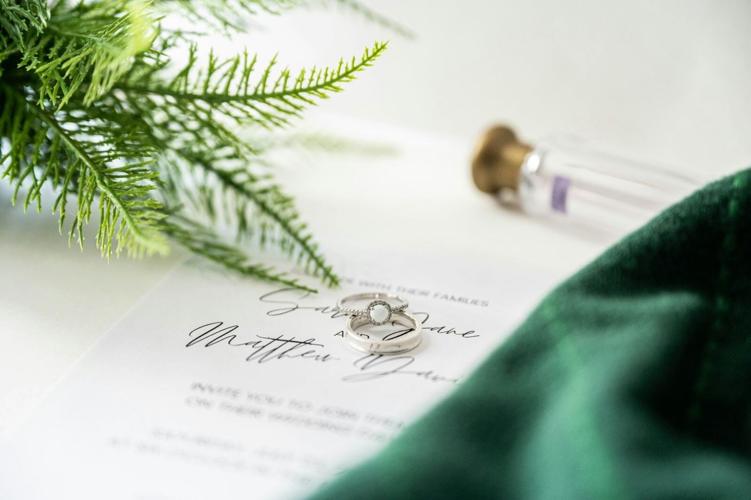
Modern couples increasingly embrace digital RSVP systems, which streamline tracking and reduce postal costs. Include clear directions, accommodations information, and any special instructions in your invitation suite.
Obtaining Your Marriage License and Legal Requirements
The romance of wedding planning shouldn't overshadow the legal fundamentals. Without a valid marriage license, your beautiful ceremony remains symbolic rather than official.
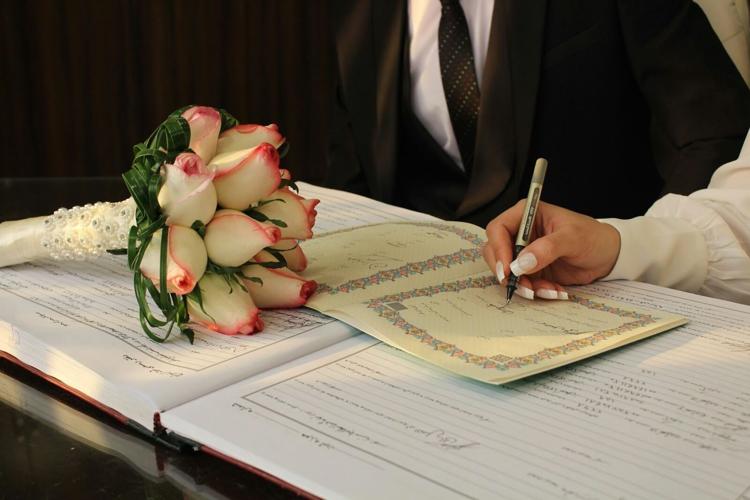
Research your jurisdiction's specific requirements well in advance. Most states require both partners to apply together, provide government-issued identification, and pay a processing fee. Some impose waiting periods between application and ceremony, while others allow same-day issuance.
If you're exploring modern alternatives, platforms that help couples get married online legally have simplified this process significantly. These services navigate the legal requirements while offering flexibility that traditional approaches may lack.
Marriage License Checklist:
Confirm residency requirements for your chosen location
Gather necessary identification documents (driver's licenses, birth certificates, social security cards)
Check if blood tests or medical certificates are required (rare but still mandated in some places)
Note the license expiration period and plan your ceremony accordingly
Understand witness requirements, some jurisdictions need one or two
Verify your officiant's legal authority to perform marriages
Arrange for proper completion and filing after the ceremony
Don't leave this until the last minute. License processing times vary, and discovering you're missing a required document days before your wedding creates unnecessary stress.
Planning the Ceremony Details
Your ceremony is the heart of the wedding day, the moment you publicly declare your commitment and make it official. Whether you're planning a religious service, secular celebration, or cultural tradition, thoughtful planning ensures everything flows smoothly.

Ceremony Planning Elements:
Choose an officiant who resonates with your values and vision, whether a religious leader, friend, or professional celebrant
Write or customize your vows to reflect your unique relationship and promises
Select readings, poems, or musical pieces that hold personal meaning
Plan the processional order for wedding party and family members
Decide on unity ceremonies like candle lighting, sand blending, or handfasting if desired
Create a ceremony timeline with buffer time for delays
Arrange sound systems or microphones so everyone can hear
Prepare a backup plan for outdoor ceremonies in case of weather issues
Rehearse the ceremony with your wedding party the day before. This walk-through eliminates confusion, calms nerves, and ensures everyone knows their cues.
Coordinating Reception Logistics
The reception celebrates your marriage with loved ones, and seamless logistics keep the party flowing from cocktails through last dance.
Reception Timeline Framework:
Cocktail hour while formal photos happen (60-90 minutes)
Grand entrance and first dance (15 minutes)
Welcome toasts and blessings (15-20 minutes)
Dinner service (60-90 minutes)
Special dances and toasts (30 minutes)
Cake cutting (15 minutes)
Open dancing (90-120 minutes)
Farewell or send-off (15 minutes)
Work with your venue coordinator or wedding planner to create a detailed timeline shared with all vendors. When everyone knows the schedule, transitions happen smoothly without awkward gaps or rushed moments.
Consider guest experience throughout the reception. Are there comfortable seating arrangements? Is there adequate food for dietary restrictions? Does the music volume allow conversation during dinner but energize the dance floor later?
Final Week Preparations
The week before your wedding is when all your planning crystallizes into reality. Stay organized with final confirmations and last-minute details.
Week-Before Checklist:
Confirm final headcount with caterer and venue
Review timeline with all vendors and wedding party
Prepare final payments and tip envelopes for vendors
Break in your wedding shoes around the house
Get a good haircut a week before for natural settling
Pack an emergency kit with safety pins, stain remover, pain relievers, tissues, and touch-up makeup
Assign a trusted friend as point person for vendor questions on the day
Write thank-you notes for wedding party gifts
Confirm transportation for you and the wedding party
Prepare toasts or speeches if you're speaking
Review the marriage license one more time to ensure proper completion
Most importantly, breathe. You've done the work, made the plans, and surrounded yourself with people who support you. Trust the process and prepare to enjoy the celebration.
A perfectly organized wedding doesn't mean everything goes exactly according to plan, it means you've prepared thoughtfully enough that inevitable hiccups become minor blips rather than major disruptions.
From setting your initial budget and vision through obtaining your marriage license and coordinating reception details, each element of this checklist builds toward a celebration that authentically reflects your love story.
The most memorable weddings aren't necessarily the most expensive or elaborate. They're the ones where couples stay present, embrace imperfections with grace, and focus on what truly matters: committing to a lifetime together surrounded by the people who matter most.
As you work through this checklist, remember that flexibility, communication, and perspective will serve you well not just on your wedding day, but throughout your marriage. Here's to creating a celebration as unique and wonderful as the love you share.

(0) comments
We welcome your comments
Log In
Post a comment as Guest
Keep it Clean. Please avoid obscene, vulgar, lewd, racist or sexually-oriented language.
PLEASE TURN OFF YOUR CAPS LOCK.
Don't Threaten. Threats of harming another person will not be tolerated.
Be Truthful. Don't knowingly lie about anyone or anything.
Be Nice. No racism, sexism or any sort of -ism that is degrading to another person.
Be Proactive. Use the 'Report' link on each comment to let us know of abusive posts.
Share with Us. We'd love to hear eyewitness accounts, the history behind an article.