
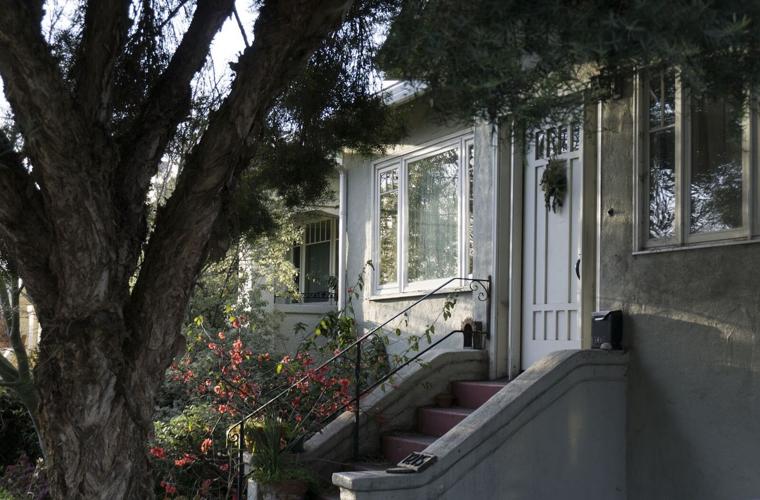
Last month, I watched a couple walk through a 1912 Craftsman bungalow in Pasadena's Bungalow Heaven district, caught between enchantment and concern. They loved the built-in bookcases, leaded-glass windows, and river-rock fireplace—all those Greene & Greene details that make Pasadena homes architectural treasures. But then: "Can we add central air without destroying the character? What about a smart thermostat?"
Here's the thing about Pasadena's historic districts—they're not museums. People actually live here, expecting modern comfort. The challenge isn't whether to integrate technology into a century-old bungalow, but how to do it without compromising what made you fall in love with the place. If you're moving into one of these homes, working with experienced Pasadena movers who understand preservation and modernization is just the beginning.
The Invisible Revolution
Smart home technology has evolved past clunky installations that plagued historic renovations. The best systems now disappear into the architecture.

I've seen this in dozens of Pasadena renovations. One client installed a complete climate-control system in their 1908 home at 1908 Orange Grove Boulevard—you literally cannot tell from inside. Vents hide behind original fixtures. Sensors blend into molding. Controls? On their phones, not stuck beside hand-hammered copper sconces.
This invisible integration matters more in Pasadena than almost anywhere else. The city has some of California's strictest preservation guidelines. Bungalow Heaven is a designated landmark district. Arroyo Terrace has National Register status. You can't drill holes wherever you want.
But preservation doesn't mean living like it's 1920. It means respecting the original design while making the house livable. The Craftsman movement was about honest materials and functional design. There's nothing dishonest about keeping your home comfortable without destroying century-old woodwork.
Climate Control Without Compromise
The biggest challenge—and game-changer—is HVAC. Most historic Pasadena homes predate air conditioning. Some have gravity furnaces that are architectural curiosities. Others rely on radiators, charming until you're sleeping through August heat.
Modern systems can work, but require planning. Ductless mini-splits have become popular because they don't require massive ductwork. You can cool individual rooms with discrete units that mount high or tuck into closets. I've seen them installed with outdoor compressors hidden behind original shrubbery and indoor units positioned as period fixtures.

Radiant floor heating complements the original hardwood. It's even invisible and doesn't require wall or ceiling alterations. Pair it with a smart thermostat that learns patterns—programmed without flashing displays—and you have comfort the original builders would envy.
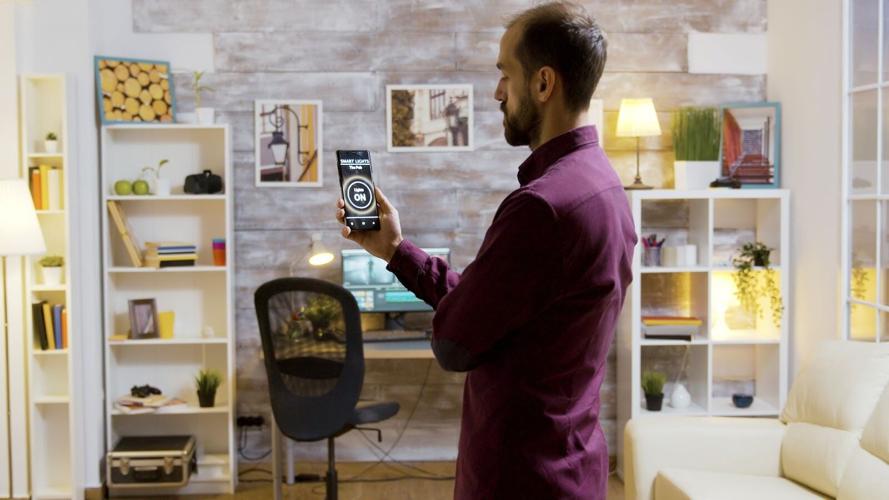
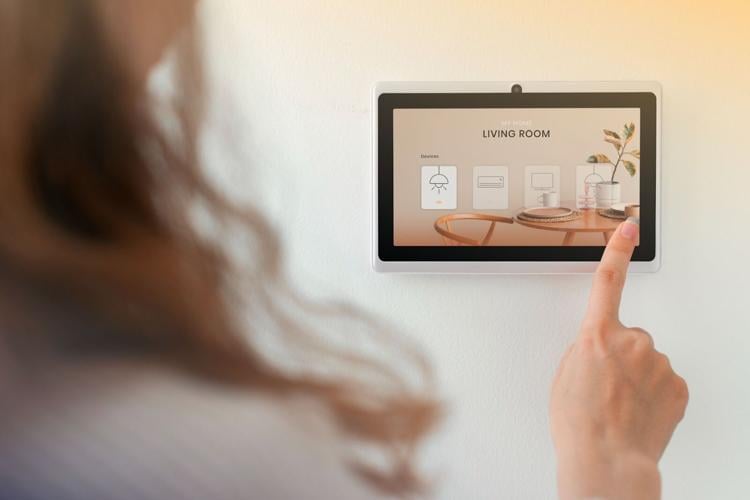
Smart thermostats themselves have evolved. Latest models can hide digital displays, showing only analog interfaces that blend with period details. Some homeowners control everything through voice or smartphone, eliminating visible controls entirely.
Essential Smart Systems That Respect History
When you're integrating technology into a historic Pasadena home, certain systems deliver the most value without compromising character:
Climate and Environment:
Ductless HVAC with concealed components maintains room-by-room temperature control without visible alterations.
Smart humidity sensors prevent wood deterioration and plaster damage, crucial for preserving original materials.
Automated window coverings protect interiors from sun damage while maintaining period-appropriate fabrics and mechanisms.
Air quality monitors track ventilation needs in older homes that weren't designed for modern insulation standards.
Security and Safety:
Discrete cameras disguised as outdoor light fixtures or mounted in non-invasive locations.
Smart locks that fit inside original door hardware, invisible from the exterior
Water leak detectors are installed near radiators, under sinks, and in basements to detect issues before they damage historic plaster or wood.
Smoke and carbon monoxide detectors that meet code while matching ceiling fixtures in size and finish
What makes these systems particularly valuable in historic homes is their preventative capability. That water leak detector isn't just convenient—it's potentially saving original wood floors that can't be replaced. The humidity monitor isn't about comfort alone; it's about protecting 100-year-old plaster walls.
Lighting: Technology Meets Craftsmanship
Pasadena's Craftsman homes are famous for their lighting. Hammered copper fixtures, mica shades, art glass panels—these are art pieces. Smart lighting isn't about replacing originals with LED strips. It's about making original fixtures work better.
Smart dimmers adjust vintage fixtures to perfect levels without overheating delicate materials. Many historic fixtures were originally designed for gas and later retrofitted for electricity. Modern LED conversions with smart controls give you a warm glow without heat or energy waste.
Motion sensors are used in hallways and staircases, but must be invisible. I've seen sensors in crown molding, baseboards, and even ventilation grilles. Lights respond to movement without visible technology, breaking the period aesthetic.
Landscape lighting showcases spectacular gardens and exterior details. Programmable systems highlight features while automatically adjusting to seasonal conditions and creating energy-efficient outdoor spaces.
Working With Preservation Requirements
In designated historic districts—most of Pasadena's desirable neighborhoods—you'll work within specific guidelines. This requires planning, not restriction.
Exterior modifications are most regulated. You typically can't add visible equipment to street-facing facades. HVAC condensers, solar panels, and satellite dishes need side yards, rear yards, or appropriate screening.

Interior work offers more flexibility, but designated features need protection during installation. Historic architects and experienced contractors know how to navigate this.
Generally, reversible changes are preferred. Installing a smart thermostat? Fine, as long as you're not removing original built-ins. Running low-voltage wiring? Usually acceptable if concealed and doesn't damage significant materials.
Working within preservation guidelines often leads to better solutions. You can't run conduit across original plaster, so you find creative integration that looks better and works more elegantly.
The Integration Process
Installing smart systems in historic homes isn't a weekend DIY project. It requires specialists who understand both old construction and new technology.
Start with assessments from people who know both worlds. Historic preservation consultants identify what's protected and flexible. Technology integrators specializing in high-end residential work understand that hiding wires matters.
Expect longer timelines than modern installations. Walls might be plaster and lath, not drywall. Running wiring means creative fishing through existing pathways. But the results are worth it—flawless systems that preserve everything that drew you to a historic home.
Budget appropriately. Invisible integration costs more, but in homes already commanding premiums for architecture and location, it's worth doing right. You're protecting an investment that's appreciated for over a century.
Living the Best of Both Worlds
Successfully integrating smart technology into Pasadena's historic homes becomes completely natural. You walk into your 1915 bungalow, perfectly climate-controlled, without visible modern thermostats. Original fixtures glow at perfect intensity. Your security system monitors without cluttering those famous Craftsman eaves.
It's not choosing between preservation and comfort—it's achieving both through thoughtful planning and quality execution. The homes in Bungalow Heaven, Madison Heights, and Orange Grove weren't built to be frozen in time. They were built to be lived in.
When you're ready to move into one of Pasadena's architectural treasures, the physical move is just the beginning. Partnering with professionals like Mario Moving Company for relocation matters, but so does finding the right team to bring that historic home into the modern era without losing its soul.
The most successful integrations are the ones you never notice. You just enjoy living in a beautiful, historically significant home that works exactly how you need it to.
Interested in more insights on luxury home climate control and creating comfortable living spaces? Discover how technology and tradition can coexist beautifully.
(0) comments
We welcome your comments
Log In
Post a comment as Guest
Keep it Clean. Please avoid obscene, vulgar, lewd, racist or sexually-oriented language.
PLEASE TURN OFF YOUR CAPS LOCK.
Don't Threaten. Threats of harming another person will not be tolerated.
Be Truthful. Don't knowingly lie about anyone or anything.
Be Nice. No racism, sexism or any sort of -ism that is degrading to another person.
Be Proactive. Use the 'Report' link on each comment to let us know of abusive posts.
Share with Us. We'd love to hear eyewitness accounts, the history behind an article.