
Home damage rarely comes from a single bad day. It usually builds from small risks that stack up with time. The good news is that most losses can be reduced with steady maintenance and a clear plan for emergencies.

Every Day Fire Risks at Home
Cooking tops the list of everyday fire starters, and it begins with simple distractions. Kitchen activities have been the leading trigger for home fires and injuries in recent years. That means attention is your first line of defense, along with a timer, a lid to smother flare-ups, and a working extinguisher within reach.
Match your habits with equipment that makes safety easy. Induction cooktops stay cooler on the surface and reduce ignition risk. Install a stove guard that shuts off burners if it detects smoke or long inactivity. Keep oven mitts, paper towels, and oils at least 3 feet from the heat.
Install smoke alarms in every bedroom, outside sleeping areas, and on each level
Test alarms monthly and replace batteries yearly
Place a Class ABC extinguisher in the kitchen and garage
Create and practice a 2-minute home fire escape plan
What to Do in the First Hours After a Fire
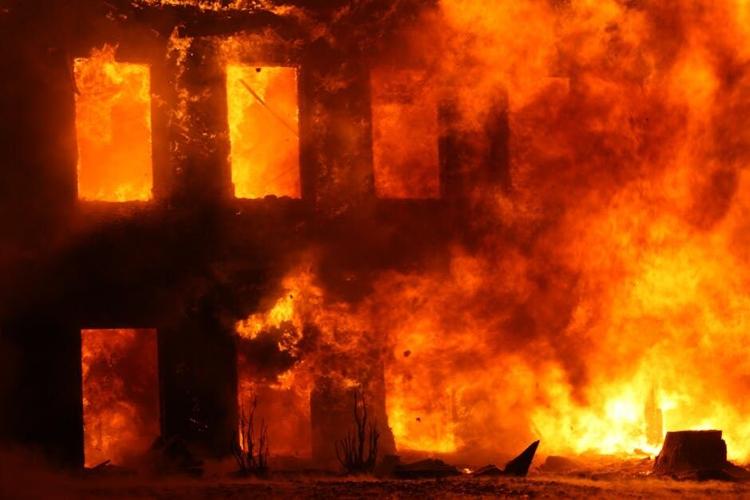
The first hours are about safety and stabilizing the site. Wait for the fire department to clear the area and take photos of every room before moving items. Call in professionals to handle fire damage cleanup and mitigation before you can schedule structural repairs, since soot and water can make damage worse by the day. Secure doors and windows, and cover openings with boards or tarps to keep weather and wildlife out.
Document everything you spend in the first 48 hours, including hotel stays and supplies. Save receipts in one folder and label them by date. If power is off, empty fridges and freezers to avoid leaks and odors that can linger in drywall and flooring.
Hurricanes, High Winds, and Major Storms
Storm seasons are stretching longer, and the strongest systems are arriving earlier. A building science group’s 2024 review noted an unusually early Category 5 hurricane, a sign of how quickly damaging winds and surge can develop. Every storm should be watched like a real threat and move quickly to ready your home.
Focus first on what breaks windows and doors. Install tested hurricane shutters or storm panels that you can mount in under an hour. Upgrade to impact-rated windows when you replace old units. Reinforce garage doors with a bracing kit, since a failed door can pressurize the house and lift the roof.
Flooding Hits Places That Rarely Expect It
Water finds the lowest point and the fastest path. An emergency management agency reported that a large share of flood claims comes from areas labeled low to moderate risk. This surprises many homeowners, but it explains why simple elevation and sealing steps pay off even far from rivers.
Protect the big-ticket systems first. Elevate the furnace, water heater, and electrical panel on platforms above historic high water lines. Add backflow valves on drains and toilets to stop sewage from reentering the home. Seal foundation cracks with hydraulic cement and add a sump pump with a battery backup.
Plumbing Leaks and the Mold Clock
A loose supply line or old washer can drip for weeks before anyone notices, and humidity trapped behind walls feeds mold. Act on the first signs of trouble, like musty smells, stained ceilings, or peeling paint, and assume there is more water than you can see.
Make checks part of your monthly routine. Look under sinks for soft cabinet bottoms and salt-like mineral crust on shutoff valves. Inspect refrigerator and dishwasher lines for kinks and brittleness. Install smart leak sensors under appliances and in the water heater pan. If a pipe bursts, shut water at the main, open lower faucets to drain, and start drying within 24 to 48 hours to stop mold from taking hold.
Electrical Hazards and Overloaded Circuits
Modern homes run more gadgets than the wiring was built for. Daisy-chained power strips, space heaters on old outlets, and nicked extension cords raise the chance of shorts and fires. If the lights dim when a big appliance starts or breakers trip often, that is a warning to upgrade.
Take pressure off your panel. Spread high-load devices across different circuits, and never run a space heater on an extension cord. Replace two-prong outlets with grounded ones and add GFCI and AFCI protection where codes require. During renovations, ask for dedicated circuits for the microwave, washer, dryer, and EV charger.
Roofing, Gutters, and the Water You Never See
Roofs fail at edges, vents, and seams where wind and UV break down sealants. Once water sneaks under a shingle, it can travel feet before it stains a ceiling. That is why regular roof checks and clean gutters are your best defense.
Look for lifted shingles, cracked pipe boots, rusted flashing, and soft spots near the ridge. Clear gutters every season so water does not back up under the roof edge. Extend downspouts 6 feet from the foundation to protect walls and slabs. If you see granules piling in gutters, your shingles are aging faster than you think, and it might be time to budget for replacement.
Landscaping, Drainage, and Defensible Space
Your yard can pull water away or push it toward your walls. A proper slope carries rain at least 5 percent away from the foundation for the first 10 feet. Where that is not possible, consider a French drain or swales that guide runoff to safe areas. Keep mulch 2 to 3 inches deep and 6 inches from siding so insects and moisture do not camp against the house.
Vegetation can be a fire pathway. In dry regions, keep a lean, clean, and green zone closest to the home. Store woodpiles at least 30 feet away and prune ladder fuels like shrubs growing under tree canopies. Choose gravel or hardscape strips around decks and sheds to slow embers and give firefighters safer access if they need it.

No one can control the weather, but we can control how ready our homes are. Small steps done on a schedule reduce risk and stress when something does go wrong. Start with one system this week, and keep going until the weak links are gone.
(0) comments
We welcome your comments
Log In
Post a comment as Guest
Keep it Clean. Please avoid obscene, vulgar, lewd, racist or sexually-oriented language.
PLEASE TURN OFF YOUR CAPS LOCK.
Don't Threaten. Threats of harming another person will not be tolerated.
Be Truthful. Don't knowingly lie about anyone or anything.
Be Nice. No racism, sexism or any sort of -ism that is degrading to another person.
Be Proactive. Use the 'Report' link on each comment to let us know of abusive posts.
Share with Us. We'd love to hear eyewitness accounts, the history behind an article.