
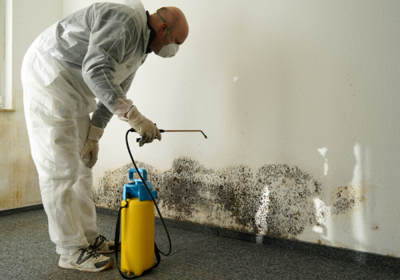

What is Mould and Why Should We Worry?
Mould is a type of fungus that thrives in damp environments, often becoming a hidden invader in our homes. While it may seem like a mere nuisance, the consequences of unchecked mould growth can be severe. Not only does it damage walls, furniture, and personal belongings, but it can also pose significant health risks to inhabitants, especially for those with respiratory issues or allergies. Recognizing mold growth early is crucial. It often appears as black, green, or white spots and might emit a musty smell. Areas prone to mold include bathrooms, kitchens, basements, and anywhere that might suffer from poor ventilation or leaks. Being aware of where mold is likely to grow can help homeowners take preventive measures before it becomes a bigger issue.
Common Causes of Mould Growth
Understanding the environment that fosters mold is essential for effective prevention. Here are some common causes:
1. Excess Moisture
This is the primary factor contributing to mold growth. High humidity levels, leaks from pipes, or even a lack of proper ventilation can create the perfect breeding ground for mold spores.
2. Poor Ventilation
Stagnant air can lead to moisture accumulation. Spaces like attics, basements, and even bathrooms often lack fresh airflow, making them prime candidates for mold invasion.
3. Temperature
Mold thrives in warm, humid conditions. Homes in warm climates or those with inadequate climate control are more susceptible to mold growth. It’s essential to monitor the indoor temperature and ensure that it stays within a comfortable range.
How to Prevent Mould in Your Home
Prevention is your first line of defense against mold. Here are some tips to keep your home safe:
1. Maintain a Dry Environment
Regularly inspect areas that are prone to moisture. Use dehumidifiers in damp areas and enhance ventilation by opening windows or installing exhaust fans, particularly in kitchens and bathrooms.
2. Fix Leaks Promptly
Don’t let leaky faucets or burst pipes linger. Repair them immediately to avoid creating an environment ripe for mold growth.
3. Use Mould-Resistant Products
When renovating or building, consider using mould-resistant drywall and paint. These products contain antimicrobial agents that help inhibit mould growth.
How to Get Rid of Mould on Walls
If mold has already made its way into your home, it’s crucial to act quickly to eliminate it. The process might seem daunting, yet effective methods are available. For an efficient solution, check out this guide on how to get rid of mold on walls. To assist you in your efforts, here are some basic steps you can follow to tackle mould on your walls:
1. Identify the Infestation
Before you can fight it, you need to identify where the mold is growing. Inspect all corners and concealed spaces in your home.
2. Prepare Your Cleaning Supplies
Gather the necessary materials for cleaning. You’ll need protective gear such as gloves and a mask, along with cleaning solutions. Many commercial products are available, including sprays designed specifically for mold.
3. Clean the Affected Area
Once you’re equipped, apply the cleaning solution to the affected areas, following the product instructions carefully. It’s best to work in small sections to ensure thorough coverage and effectiveness.
4. Rinse and Dry
After cleaning, be sure to rinse the area with water and a sponge, then dry it thoroughly. Leaving moisture behind can lead to a recurrence of the problem.
Health Risks Associated with Mould
Mould is more than just an aesthetic concern. It can have serious implications for your health.
1. Respiratory Problems
Inhaling mold spores can lead to respiratory issues, particularly for individuals with pre-existing conditions such as asthma or bronchitis. Symptoms may include coughing, sneezing, and difficulty breathing.
2. Allergic Reactions
Exposure to mold can trigger allergic reactions, leading to symptoms such as itchy eyes, runny noses, and skin irritations.
3. Long-term Effects
Prolonged exposure to mould can have even more severe health implications, including chronic respiratory problems and other serious fungal infections.
When to Seek Professional Help
While many mold problems can be solved with DIY methods, there are instances when it’s wise to call in the experts. If the mold is extensive (greater than 10 square feet), if it’s found in your HVAC system, or if you suspect toxic mold, professional assessment and remediation services are highly recommended. They have the tools and expertise to handle the situation safely.
Further Preventative Measures
In addition to immediate cleaning and prevention techniques, consider creating a more long-term plan to protect your home from mould:
1. Regular Inspections
Set a schedule for routine home inspections to catch any potential mold problems before they escalate.
2. Invest in Air Quality Monitors
These devices can help you keep an eye on humidity and moisture levels throughout your home. They provide alerts when conditions become favourable for mould growth.
3. Education and Awareness
Stay informed about mold and its risks. The more you know, the better you can protect your home and health. Mould is a formidable foe, but armed with knowledge and an action plan, you can keep it at bay. From understanding its causes to learning effective prevention and removal methods, taking proactive steps can help ensure a safe and healthy living environment. Whether employing preventive measures or addressing an existing problem, you have the power to reclaim your space from mould’s clutches.
(0) comments
We welcome your comments
Log In
Post a comment as Guest
Keep it Clean. Please avoid obscene, vulgar, lewd, racist or sexually-oriented language.
PLEASE TURN OFF YOUR CAPS LOCK.
Don't Threaten. Threats of harming another person will not be tolerated.
Be Truthful. Don't knowingly lie about anyone or anything.
Be Nice. No racism, sexism or any sort of -ism that is degrading to another person.
Be Proactive. Use the 'Report' link on each comment to let us know of abusive posts.
Share with Us. We'd love to hear eyewitness accounts, the history behind an article.