

Most homeowners think about the roof only when something dramatic happens. A leak appears during a storm, a shingle lands in the yard, or a mysterious ceiling stain begins expanding with the confidence of modern art. Until then, the roof tends to be out of sight, out of mind, and quietly doing one of the hardest jobs in the house.
That is exactly why hiring a professional roofing contractor matters. A roof is not simply a stack of shingles placed on top of a home. It is a carefully built system designed to manage water, airflow, insulation, structural protection, and long-term durability. A qualified contractor understands how all of those pieces work together, which is what separates a lasting roof from an expensive lesson in wishful thinking.
Why a Professional Roofing Contractor Matters
A professional roofing contractor does far more than install roofing materials. The work begins with evaluating the current condition of the roof, identifying weaknesses, understanding the home’s structure, and determining what the property actually needs. That can include checking shingles, flashing, roof decking, ventilation, gutters, drainage areas, and signs of moisture intrusion.
This matters because roof problems are not always obvious from the driveway. A roof can look perfectly respectable from below while hiding soft decking, failing flashing, trapped attic heat, or early water damage. Professional inspections help catch those issues before they turn into larger repairs, which is usually the difference between a manageable project and the kind of home improvement bill that ruins an otherwise lovely weekend.
Roofing Is a System, Not Just a Surface
One of the most important roles of a professional roofing contractor is understanding that a roof works as a complete system. Shingles may be the most visible part, but they are only one layer of protection. Underlayment, flashing, ventilation, drip edges, gutters, and attic airflow all play a role in how well the roof performs over time.
When these components are planned and installed correctly, they help move water away from the home, reduce the risk of leaks, protect the roof deck, and prevent heat and moisture from building up in the attic. When they are handled poorly, even expensive materials can fail sooner than expected. It is a bit like buying a couture dress and then storing it in a damp garage. The quality matters, but the conditions matter too.
Permits, Codes, and the Less Glamorous Details
Roofing work often involves local building codes, permit requirements, inspection rules, and manufacturer installation standards. These details may not be glamorous, but they are essential. A professional roofing contractor should understand which requirements apply to the project and how to keep the work compliant from start to finish.
For homeowners, this is one of the clearest reasons not to treat roofing as a casual weekend project. Building codes exist to protect the home, the people working on it, and the people living inside it. A reputable contractor knows how to navigate those requirements, document the job properly, and complete the installation in a way that supports both safety and long-term value.
Safety Is Not a Small Detail
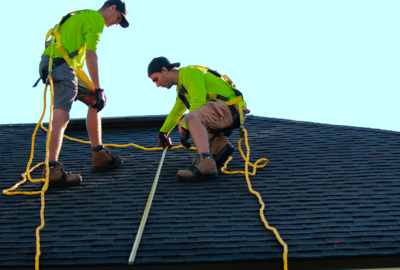
Roofing involves heights, ladders, heavy materials, sharp tools, unstable surfaces, and weather conditions that can change quickly. A professional roofing contractor brings the right safety practices, equipment, training, and crew coordination to the job. That includes fall protection, debris management, material handling, and protecting the surrounding property during the project.
Homeowners may be tempted to handle small repairs themselves, especially when a problem looks simple from the ground. The trouble is that roofs rarely behave as politely as they appear to. Loose shingles, steep slopes, hidden soft spots, and slick surfaces can turn a “quick fix” into a serious injury. When the issue is more than a minor visual concern, it is usually smarter to call a trained professional and then take the time to choose carefully. FINE’s guide on why it can be so difficult to find a good roofer offers helpful perspective on what homeowners should look for before hiring.
Material Choices Should Match the Home
A good roof should fit the home’s architecture, climate, budget, and long-term maintenance needs. A professional roofing contractor can help homeowners compare materials based on durability, appearance, energy performance, warranty coverage, and suitability for the region. The best choice is not always the most expensive option. It is the one that makes sense for the home.
This is especially important for properties in climates with intense sun, heavy rain, high winds, humidity, or seasonal storms. Materials that perform beautifully in one region may not be ideal in another. A contractor with local experience can help homeowners avoid choices that look attractive on a sample board but underperform once real weather enters the conversation.
Project Management Keeps the Job Moving
Roof replacement or major repair work requires careful coordination. Materials must arrive on time, crews need to be scheduled, old roofing may need to be removed, disposal has to be handled, and inspections may need to be completed. A professional roofing contractor manages those moving parts so the project does not become a logistical circus in the driveway.
Good project management also helps limit disruption. Roofing is noisy, messy, and physically demanding work, but an organized contractor can make the process far more manageable. Homeowners should know when the work will begin, how long it is expected to take, what areas of the property need protection, and how cleanup will be handled once the installation is complete.
How Contractors Help Protect Home Value
A properly installed roof can support a home’s appearance, efficiency, safety, and resale value. Buyers notice roofs. Inspectors notice roofs. Insurance companies notice roofs. Even neighbors notice roofs, although some of them pretend they are only walking the dog. A professional roofing contractor helps ensure that the roof is installed correctly and documented properly, which can be useful when selling, refinancing, or maintaining the property over time.
For homeowners thinking about long-term value, FINE’s article on why a new roof can increase a home’s value looks at the larger financial side of roofing improvements. While every property is different, a sound roof is one of those upgrades that protects both the structure and the investment underneath it.
Choosing the Right Roofing Contractor
Not every contractor offers the same level of experience, communication, or workmanship. Before hiring a professional roofing contractor, homeowners should verify licensing where required, confirm insurance coverage, ask about warranties, review local references, and get a written estimate that clearly explains the scope of work.
It is also wise to pay attention to communication. A contractor who is vague before the project begins is unlikely to become magically precise once materials are on the lawn. Homeowners should feel comfortable asking questions about the timeline, materials, ventilation, cleanup, warranties, and what happens if hidden damage is discovered during the job.
The Bottom Line on Professional Roofing Work
A roof is one of the most important protective systems in a home, and it deserves more than guesswork. A professional roofing contractor brings technical knowledge, safety training, material expertise, code awareness, and project management to a job that affects the entire structure.
For homeowners, the right contractor can make the difference between a roof that merely looks finished and one that performs correctly for years. Shingles may be the visible part, but the real value is in the planning, installation, and protection behind them. A beautiful home deserves a roof that does its job quietly, properly, and without turning every rainstorm into a suspense film.

(0) comments
We welcome your comments
Log In
Post a comment as Guest
Keep it Clean. Please avoid obscene, vulgar, lewd, racist or sexually-oriented language.
PLEASE TURN OFF YOUR CAPS LOCK.
Don't Threaten. Threats of harming another person will not be tolerated.
Be Truthful. Don't knowingly lie about anyone or anything.
Be Nice. No racism, sexism or any sort of -ism that is degrading to another person.
Be Proactive. Use the 'Report' link on each comment to let us know of abusive posts.
Share with Us. We'd love to hear eyewitness accounts, the history behind an article.