
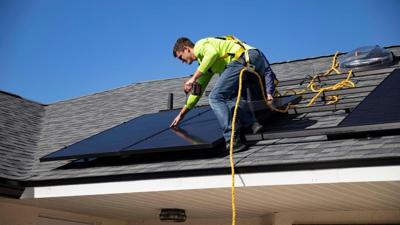

Solar panels can deliver long-term energy savings and improved efficiency, but results depend heavily on how systems are planned and installed. Many performance issues do not arise from the technology itself but from avoidable errors during installation. Without proper guidance, even well-intentioned projects can underperform. Understanding common pitfalls helps ensure a solar installation delivers the expected return rather than ongoing frustration.
Skipping A Proper Site Assessment
One of the most common mistakes is failing to assess the site before installation thoroughly. Roof orientation, pitch, shading, and structural condition all influence output. Panels placed without regard to nearby trees, chimneys, or neighbouring buildings may spend much of the day in shade. Even partial shading can reduce performance across the entire system. A detailed assessment identifies the best placement and prevents losses that are difficult to fix later.
Choosing Panel Position Based On Convenience
Installers sometimes place panels where access is easiest rather than where performance is highest. This approach saves time initially but incurs higher energy costs over the system's lifetime. South-facing roofs typically perform best in the UK, but east- and west-facing orientations can also perform well when designed correctly. Prioritising convenience over efficiency undermines long-term savings and should be avoided.
Incorrect System Sizing
Bigger does not always mean better. Installing too many panels can result in surplus energy being exported rather than used, while undersized systems fail to meet household demand.
System size should reflect energy usage patterns rather than assumptions. Proper sizing balances generation with consumption, ensuring that most power is used on-site. Incorrect sizing reduces financial benefit and slows return on investment.
Poor Inverter Selection
The inverter converts solar energy into usable electricity. Choosing the wrong type or capacity limits system efficiency. An undersized inverter restricts output during peak generation. An oversized unit may operate inefficiently at lower loads. Matching inverter specifications to panel capacity and usage patterns ensures consistent performance.
Ignoring Roof Condition And Structure
Solar panels add weight and require secure fixing. Installing on roofs in poor condition creates future problems. Roofs nearing the end of their lifespan should be repaired or replaced before installation. Ignoring this step can lead to leaks, structural damage, or costly panel removal later. Addressing roof integrity upfront avoids disruption and protects the system.
Inadequate Electrical Integration
Solar systems must integrate safely with existing electrical infrastructure. Poor wiring or outdated consumer units increase risk. Incorrect connections reduce efficiency and may cause safety issues. Professional assessment ensures electrical systems can handle additional load and comply with regulations. Cutting corners here compromises both performance and safety.
Overlooking Local Regulations And Permissions
Solar installations are subject to planning rules and grid connection requirements. Assuming approval is automatic can cause delays or enforcement action. Local authorities and grid operators have specific standards. Failing to follow them may require costly post-installation changes. Early compliance checks prevent interruptions and ensure systems operate legally.
Neglecting Future Energy Changes
Energy needs change over time. Electric vehicles, heat pumps, or household expansion increase demand. Installing systems without considering future growth limits flexibility. Designing with potential expansion in mind allows upgrades without significant rework. Short-term thinking restricts long-term value.
Poor Cable Management And Layout
Cable routing affects both efficiency and appearance. Long or poorly planned runs increase energy loss and reduce reliability. Exposed or untidy cabling may also degrade faster due to weather exposure. Careful planning keeps cable lengths short, protected, and discreet, supporting durability and performance.
Failing To Include Monitoring
Without monitoring, performance issues may go unnoticed for months or years. Faulty panels or inverters can reduce output silently. Monitoring systems provide visibility into energy generation. Early detection of problems allows timely intervention, protecting savings. Skipping monitoring removes a critical layer of oversight.
Assuming Solar Is Maintenance-Free
Solar panels require minimal maintenance but are not entirely hands-off. Dirt, debris, and damage affect performance. Failing to plan for basic checks leads to a gradual loss of efficiency. Simple maintenance routines preserve output and extend system life. Ignoring upkeep undermines expected benefits.
DIY Installation Without Expertise
DIY installation appeals due to perceived cost savings. In practice, it often introduces errors that significantly reduce performance. Improper mounting, wiring errors, and non-compliance with standards can void warranties and pose safety risks. Professional installation protects both equipment and investment.
Inadequate Weather Consideration
UK weather varies widely. Wind load, rainfall, and temperature changes all affect installations. Systems not designed for local conditions may loosen, leak, or degrade prematurely. Accounting for regional weather ensures fixings and materials remain secure over time.
Rushing The Decision Process
Pressure to install quickly often leads to poor choices. Rushed decisions overlook details that matter. Taking time to plan properly results in better outcomes. A considered approach prevents many of the mistakes that reduce performance and increase costs.
The Value Of Expert Guidance
Expert guidance turns complexity into clarity. Experienced installers anticipate challenges and apply proven solutions. They design systems that align with property conditions, usage patterns, and future needs. This expertise prevents common mistakes that compromise output.
Protecting Long-Term Performance
Solar panels are long-term assets. Mistakes made at installation persist for decades. Avoiding common errors ensures systems perform as intended. Proper assessment, design, and execution protect efficiency and financial return.
Building Confidence In Solar Investment
Solar installation succeeds when planning and expertise align. Understanding potential mistakes empowers better decisions. By avoiding shortcuts and prioritising professional guidance, homeowners and businesses maximise benefits. Thoughtful installation transforms solar panels into reliable contributors to long-term energy savings rather than sources of ongoing adjustment.


(0) comments
We welcome your comments
Log In
Post a comment as Guest
Keep it Clean. Please avoid obscene, vulgar, lewd, racist or sexually-oriented language.
PLEASE TURN OFF YOUR CAPS LOCK.
Don't Threaten. Threats of harming another person will not be tolerated.
Be Truthful. Don't knowingly lie about anyone or anything.
Be Nice. No racism, sexism or any sort of -ism that is degrading to another person.
Be Proactive. Use the 'Report' link on each comment to let us know of abusive posts.
Share with Us. We'd love to hear eyewitness accounts, the history behind an article.