



Winter has a way of making even the most loyal moisturizers seem inadequate. As temperatures drop and indoor heating rises, skin begins to behave differently. It becomes tight, dull, and noticeably less impressed by the usual creams and serums. This is the season when hydration becomes not just a skincare goal but a wellness strategy. The secret is that winter hydration cannot be achieved through topical products alone. It requires a partnership between the internal and the external, with lifestyle and biology working quietly together.
The idea of hydrating from the inside out has grown in popularity for good reason. Our skin reflects our hydration status just as our energy, sleep, and digestion do. When the body receives enough water and supportive nutrients, the skin responds with plumpness, luminosity, and that elusive winter glow that suggests vitality rather than survival.
Why Winter Hydration Matters More Than We Realize
Winter strips moisture from the skin in multiple ways. Cold air holds less humidity. Indoor heating systems pull moisture from the environment. Hot showers that feel comforting leave the barrier compromised. Combine these environmental factors with holiday indulgences and caffeine-heavy mornings, and the result is a recipe for dehydration both internally and externally.
The skin is the body’s largest organ and one of the last to receive water. When hydration is limited, the body prioritizes organs that are essential for survival before it prioritizes aesthetic concerns. That is why skincare alone can only take us so far. Hydration must begin internally if we expect it to show externally.
The Role of Water in Winter Hydration

Most discussions about hydration start and end with drinking more water. While this advice is not incorrect, it needs more nuance. Water balance is influenced by minerals, electrolytes, metabolic needs, and fluid loss. Simply chugging more glasses does not guarantee that water will reach the skin.
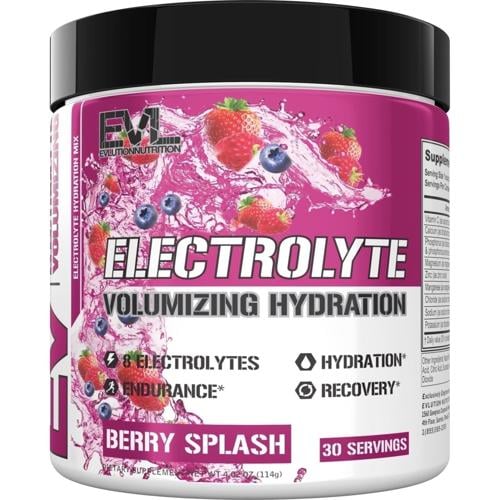
The body needs electrolytes such as sodium, potassium, and magnesium to transport water into cells. Without them, water can move quickly through the digestive system without being efficiently absorbed. This is why athletes use electrolytes, but the concept also applies to winter wellness. Balanced electrolyte supplementation or mineral-rich beverages help optimize absorption and support cellular hydration.
Internal Hydration Strategies That Support the Skin
There are several internal strategies that support visible hydration and improve skin resilience during winter.
Increase Electrolyte Support

Electrolytes help move water into tissues where it can be used. Coconut water, mineral waters, electrolyte powders without excess sugar, and foods rich in potassium and magnesium all contribute. This approach benefits not just the skin but also energy levels and cognitive clarity.
Add Hydrating Foods to the Plate
Hydrating foods carry both water and nutrients. Cucumbers, citrus fruits, melons, leafy greens, cooked squash, and root vegetables provide hydration at a slower release than water alone. Their fiber content allows water to be absorbed more steadily, supporting digestion and overall hydration status.
Winter staples such as bone broth also contribute to hydration, providing minerals, amino acids, and collagen precursors that benefit the skin from within.
Watch Out for Dehydration Culprits
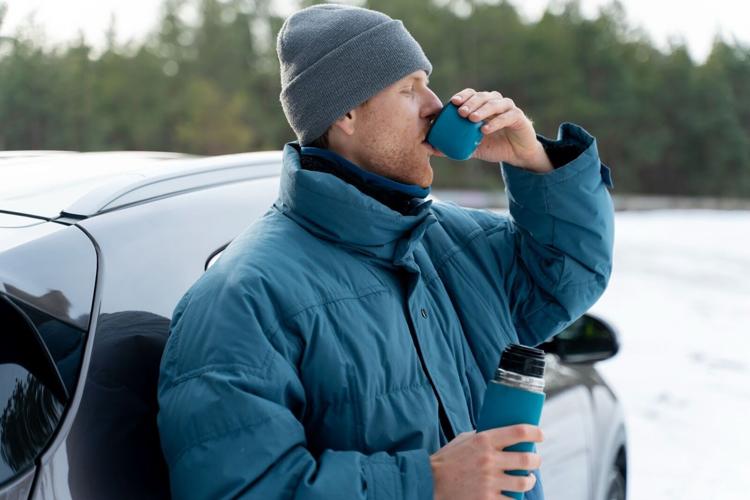
Caffeine, alcohol, and heavily salted foods are enjoyable but dehydrating. They do not need to be eliminated, but moderation or pairing with extra water and electrolytes helps maintain balance. Many people underestimate how much dehydration is caused simply by winter coffee rituals and holiday cocktails.
Topical Hydration Techniques That Actually Make a Difference

Internal hydration sets the foundation, but winter still calls for topical care. The most effective strategies support the skin barrier and prevent moisture loss.
Humectants for Water Retention
Humectants such as glycerin, hyaluronic acid, and beta glucan pull water into the skin. They perform best when applied to damp skin rather than dry skin. This small shift helps the skin hold moisture more effectively and enhances product performance.
Barrier Repair for Moisture Retention
Once water is pulled into the skin, it needs to be sealed in. Barrier supporting ingredients such as ceramides, fatty acids, and cholesterol strengthen the outer layer of the skin and prevent evaporation. Without this step, humectants offer only temporary improvement.
Occlusives When Needed

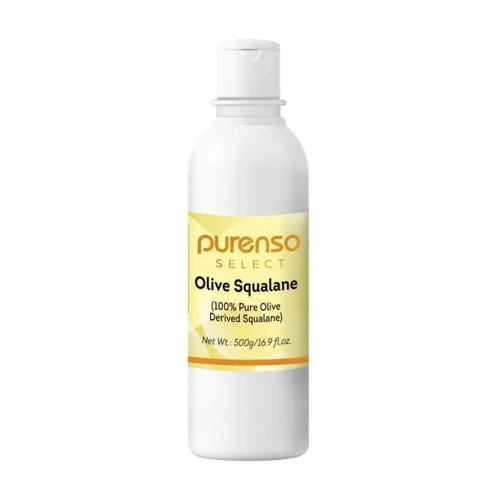
In severe winter dryness, occlusive ingredients such as squalane or natural oils help lock in hydration. They are especially useful at night when the body repairs tissues during sleep.
Lifestyle Factors That Influence Hydration More Than Expected

Hydration is not just about what we drink or apply. Stress, sleep, and environment all influence how water is used and retained.
Sleep is when the body repairs the barrier and balances hydration. Chronic stress increases cortisol, which can disrupt barrier function and increase moisture loss. Even the humidity level in the home matters. A humidifier in the bedroom can make a visible difference within a week.
Hydration as a Winter Wellness Ritual
The most compelling part of hydrating from the inside out is that it invites a more holistic understanding of beauty. Instead of treating the skin as an isolated aesthetic project, it becomes a reflection of overall wellness. When the body is properly hydrated, digestion improves, energy increases, joints feel more comfortable, and the complexion takes on a quiet luminosity that cannot be replicated through makeup.
Hydration is both functional and luxurious. It feels like a small act of self preservation that carries visible benefits. Winter is the season when these benefits matter most because the environment works against them.
The Takeaway on Winter Hydration
True winter hydration is layered. It involves water, minerals, foods, lifestyle, and skincare working together. The inside and the outside communicate constantly. When both are supported, the results show on the surface without effort or urgency.
The skin tells the truth about our habits. When we give it hydration from both directions, it rewards us with a glow that feels more like vitality than vanity. And that is the kind of beauty that endures beyond the season.
(0) comments
We welcome your comments
Log In
Post a comment as Guest
Keep it Clean. Please avoid obscene, vulgar, lewd, racist or sexually-oriented language.
PLEASE TURN OFF YOUR CAPS LOCK.
Don't Threaten. Threats of harming another person will not be tolerated.
Be Truthful. Don't knowingly lie about anyone or anything.
Be Nice. No racism, sexism or any sort of -ism that is degrading to another person.
Be Proactive. Use the 'Report' link on each comment to let us know of abusive posts.
Share with Us. We'd love to hear eyewitness accounts, the history behind an article.