

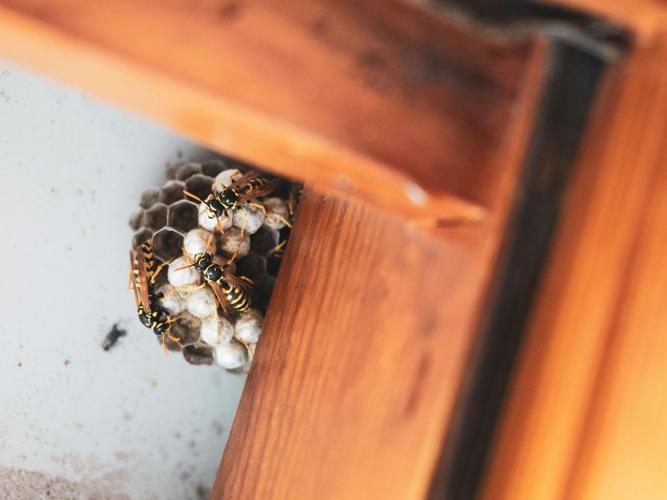
Pest prevention is a critical element of home maintenance that helps to safeguard your health, your property value, and your financial security.
While there are a lot of homeowners who will only act after spotting a pest, it’s good to take a proactive approach to create a protective barrier that will help to stop infestations before they cause irreversible structural damage or the spreading of dangerous diseases.

Health and safety protection
Pests will be more than just a nuisance in your home. They’re significant biological hazards that can end up compromising the well-being of everyone else in your home. Let’s take a look at some of the health and safety issues that arise from pests.
Disease transmission
Rodents like mice and rats can carry over 35 diseases, including Leptospirosis, Hantavirus, and Salmonella, to name but a few. You’ll often find these are spread through the droppings and urine in food preparation areas that you might not always see or notice at first.
To avoid these diseases from being spread around your home, a pest control service should be called out at the first sign of pests.
Allergy and asthma triggers
Pests like cockroaches and dust mites often produce allergens that can trigger a lot of severe issues, like respiratory problems. This is particularly the case in both children and the elderly.
Physical injury
Stinging insects like wasps and bees can cause life-threatening allergic reactions. Bed bugs and fleas can cause painful bites as well as sleep disruption.
Structural integrity and property value
When it comes to your home’s structural integrity and value, this can be compromised if you don’t protect your home from pests.
Pests can often silently undermine the very foundations of your home, often causing a lot of damage that isn’t visible until it becomes a major structural failure. Here are a few ways in which the damage can be done to your home if a proactive effort to pests isn’t made.
Wood-boring damage
Termites are often considered the silent destroyers, and wood-boring beetles can often eat through floors, timber beams, and period furniture, all of which ultimately compromise the building’s stability.
Fire hazards
Rodents will have a constant need to gnaw and are responsible for around 10 to 25% of electrical fires by chewing through wiring insulation.
That’s something you want to actively avoid, especially with the fire hazards it presents if rodents are successful in chewing through those wires.
Depreciation
If you have a history of pest issues, this can drastically lower a home’s market value. A lot of buyers and inspectors alike will look for specific signs of previous infestations and structural weakness.
Long-term financial savings
Investing in prevention is significantly more cost-effective than having to pay for reactive treatments and any extensive home repairs. Here are some financial considerations to think about:
Repair versus prevention costs - While a preventative treatment might be a modest expense, repairing termite damage, for example, can cost thousands of pounds.
Emergency service fees - Reactive pest control will require emergency call-out fees and multiple visits to get rid of the problem. A maintenance plan, on the other hand, can focus on low-cost monitoring.
Asset preservation - Regular prevention will help protect any high-value belongings and ensure that any furniture or stored food won’t be destroyed or damaged.
How to prevent pests from damaging your home
In order to prevent those pests from coming into your home and damaging it, there are a number of efforts that can be made to protect your property.
Seal entry points
To help prevent the pests from gaining entry, you must do everything possible to seal up all those entry points.
Regularly check for gaps around the window, pipes, doors, and utility lines, as well as foundations. It’s also good to use barriers such as sealing gaps with caulk, making use of expanding foam, and wire mesh to help keep rodents out.

Screens are good to add to your home, especially on windows and doors. Repair any of the tears or holes that already exist in the current screens.
Finally, make sure to install some door sweeps on your exterior doors to help prevent crawling insects and rodents from entering.
Remove food sources
Food sources are something that’s good to remove as soon as possible. Store pantry items like flour, sugar, and cereal in any airtight containers, like glass or plastic. You should also store anything packaging-wise that could be compromised in cupboards, too.
Cleaning your surfaces does a lot of good when helping to avoid pests. Wipe down your counters, stovetops, and tables immediately after cooking to remove crumbs and spills.
Proper waste disposal is always important, so it’s good to use tightly sealed trash bins so that the garbage can be disposed of regularly. Be sure to clean up any pet food bowls immediately after feeding, and don’t leave food out overnight either.
Manage moisture and sanitation
It’s good to prevent pests by managing the moisture in the home, as well as any sanitation of other areas that often get ignored.
Be sure to repair any plumbing leaks, roof leaks, and dripping taps to eliminate water sources. The use of dehumidifiers is helpful in damp areas like crawl spaces, attics, and basements to keep pests at bay.
Like the inside of the home, you should also make sure to regularly clear gutters on the outside of your property to ensure proper drainage and prevent water accumulation.
Exterior and garden maintenance
Keeping up with exterior and garden maintenance is important, so consider what your current outdoor environment looks like. Keep tree branches and bushes trimmed back. Make sure nothing is touching or hanging over the house, as this can often act as a bridge for pests.
Remove any leaf piles or debris near the foundation of the home, and if you store firewood, keep it at least twenty feet away from the home and elevated off the ground, too.
Regular inspections
It’s always good to conduct regular inspections. Look for signs of infestation like nests, droppings, or gnaw marks in the darker corners of the home, as well as in cupboards and behind appliances.
These tips will help to protect your home from pests now and in the future.


(0) comments
We welcome your comments
Log In
Post a comment as Guest
Keep it Clean. Please avoid obscene, vulgar, lewd, racist or sexually-oriented language.
PLEASE TURN OFF YOUR CAPS LOCK.
Don't Threaten. Threats of harming another person will not be tolerated.
Be Truthful. Don't knowingly lie about anyone or anything.
Be Nice. No racism, sexism or any sort of -ism that is degrading to another person.
Be Proactive. Use the 'Report' link on each comment to let us know of abusive posts.
Share with Us. We'd love to hear eyewitness accounts, the history behind an article.