
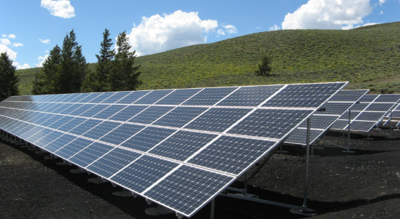

When most people think of solar panels, visions of bulky, black rectangles dominating rooftops come to mind. Traditionally, solar panels were purely functional, with little attention given to aesthetics. However, the solar industry is undergoing a transformation. Modern design trends are proving that solar panels can be both efficient and stylish, merging sustainability with architectural elegance.
Integrated Solar Roofing
One of the most exciting developments in solar panel design is integrated solar roofing. Instead of mounting panels on top of an existing roof, integrated solutions blend directly into the roofing material. These systems use sleek, flat solar tiles that mimic the look of traditional shingles or slate, allowing homeowners to generate energy without compromising the aesthetic appeal of their home. Companies like Tesla and Sunstyle are pioneering this trend, demonstrating that solar energy doesn’t have to feel industrial or intrusive.
Colored and Patterned Panels
Another trend gaining momentum is colored and patterned panels. While traditional panels are typically dark blue or black, designers are experimenting with different hues and subtle patterns. These panels can complement the exterior of a home, providing a more cohesive look. Some manufacturers now offer panels that match the color of the roof tiles, making them nearly invisible from the street. This approach appeals to homeowners who prioritize curb appeal but still want to embrace renewable energy.
Frameless Panels
Frameless solar panels are also making waves in the design world. By eliminating the bulky metal frames, these panels offer a cleaner, more minimalist appearance. Frameless panels can be used in creative ways, such as forming glass canopies, pergolas, or solar facades on commercial buildings. This versatility allows architects and designers to integrate solar technology seamlessly into a structure, transforming it from a purely functional element into a design feature.
If you’re ready to explore these modern options for your home, you’ll find that Build the Power panels are designed to enhance both energy efficiency and curb appeal.
Solar Windows
For urban dwellers with limited rooftop space, solar window technology is emerging as a stylish solution. These transparent or semi-transparent panels can be incorporated into windows and glass walls, generating electricity without blocking natural light. This trend is particularly exciting for high-rise apartments and modern office buildings, where energy efficiency and aesthetic appeal are both essential considerations.
Customizable Installations
In addition to product innovation, the rise of customizable solar installations allows homeowners to choose shapes and layouts that complement their property’s architecture. Whether it’s creating geometric patterns, lining the edge of a roof with panels, or integrating solar-powered outdoor features, the design possibilities are endless. This creative flexibility challenges the outdated notion that solar panels are clunky and unattractive.
The Future of Stylish Solar
Ultimately, stylish solar panels are no longer just a futuristic concept; they’re a reality. Homeowners can now reduce their carbon footprint while maintaining the visual integrity of their property. From integrated roofing to colored panels, frameless designs, and solar windows, the solar industry is proving that sustainability and style can go hand in hand. The future of solar is bright, and it’s looking better than ever.

(0) comments
We welcome your comments
Log In
Post a comment as Guest
Keep it Clean. Please avoid obscene, vulgar, lewd, racist or sexually-oriented language.
PLEASE TURN OFF YOUR CAPS LOCK.
Don't Threaten. Threats of harming another person will not be tolerated.
Be Truthful. Don't knowingly lie about anyone or anything.
Be Nice. No racism, sexism or any sort of -ism that is degrading to another person.
Be Proactive. Use the 'Report' link on each comment to let us know of abusive posts.
Share with Us. We'd love to hear eyewitness accounts, the history behind an article.