
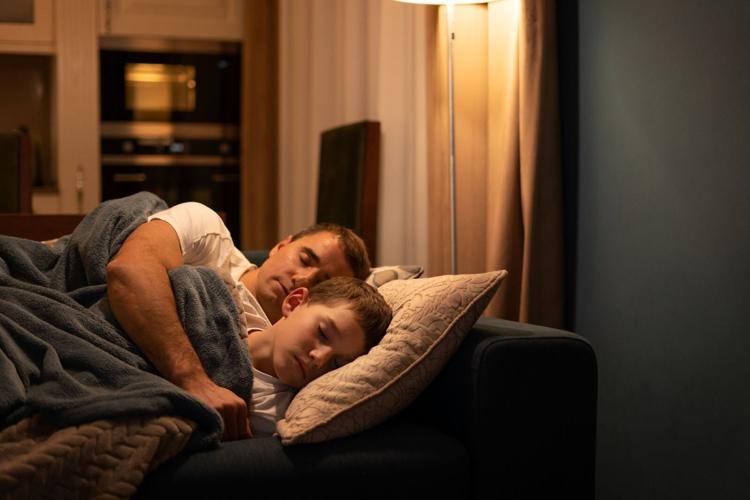

There are many forms of modern luxury, silence, time, turn-down service, breakfast without haste but one of the most elusive may be the ability to sleep through the night without interruption. It sounds simple. It is anything but. For all the advancements in wellness culture, meditation apps, and midnight herbal infusions, a surprising percentage of adults still wake up at least once during the night. Some wake up twice. Some wake up and struggle to return to sleep at all. Today, the continuity of sleep without fragmentation has quietly become a luxury experience.
The reasons are rarely singular. Sleep is not a switch; it is a rhythm. That rhythm is influenced by the environment, biology, psychology, and design. When any one of those elements falls out of alignment, the nervous system alerts rather than restores.
Why We Wake Up: The Underestimated Disruptors
Four disruptors show up repeatedly in sleep research: light, noise, temperature shifts, and stress. Each has a direct or indirect ability to wake the brain, even if the body remains still.
Light is the most obvious culprit. The human circadian system is exquisitely light-sensitive. Even modest ambient light—from a streetlamp, LED clock, hallway glow, or phone—signals “morning” to the brain and suppresses melatonin. A study from the Cleveland Clinic confirms that even low-level nighttime light can disrupt sleep cycles and reduce deep sleep continuity.
Noise is more complex. The brain evolved to interpret unexpected sound as a possible threat. A horn, a dog bark, a neighbor’s cabinet door—these aren’t dangerous, but they are enough to push the brain toward alertness. Sound inconsistency is more disruptive than volume.
Temperature is the hidden variable. Core body temperature drops early in the night and rises toward morning. If the bedroom overheats at 2 a.m. or cools excessively at 4 a.m., the brain notices. Most sleepers blame stress or dreams for nighttime waking, but often, it is thermal inconsistency doing the work.
Stress completes the picture. Once awake, the mind shifts easily into problem-solving. The prefrontal cortex engages—logistics, concerns, decisions—and the deeper stages of sleep are lost.
Night waking, in other words, is rarely a dramatic event. More often, it is a subtle accumulation of misaligned conditions.
Designing for Continuity—Not Perfection
Sleep advice is often framed as optimization: no caffeine after 3 p.m., no screens after 11, no doomscrolling in bed. While sound in theory, these suggestions rarely address the real issue, which is not the ability to sleep but the conditions under which the nervous system allows sleep to continue uninterrupted.
The more productive approach is to treat sleep as a designed environment, one informed by biology and grounded in consistency.
Light: Quieting the Brain’s Timekeeper

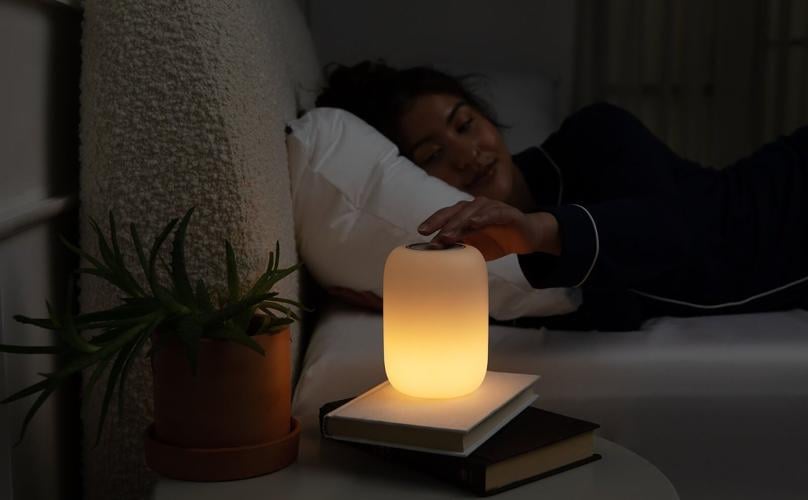
Bedrooms that support continuity treat light intentionally. Blackout curtains, warm bedside lamps, and gradual dimming cues help guide the brain out of its daytime mode. One elegant tool for this is the Casper Glow Light, a warm, low-intensity lamp designed to dim slowly at bedtime and illuminate softly if you wake at night—providing visibility without triggering the brain’s “morning” response. Its effect is subtle but powerful: it reduces light-induced micro-wakes by maintaining a calm, circadian-friendly visual field.
Noise: Consistency Over Silence

Adults rarely need perfect silence; they need predictable sound. This is why hotel rooms often feel restful—they are built with heavy textiles and sound-dampening materials that reduce auditory variance. At home, consistency can be created with controlled soundscapes that smooth over environmental irregularities.
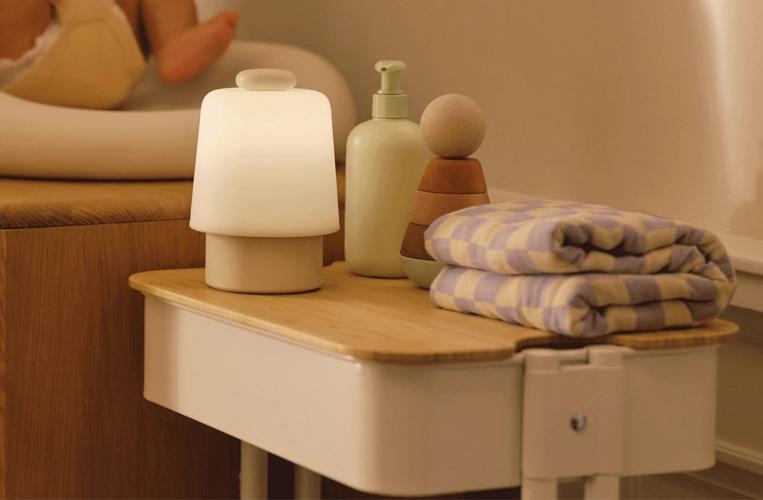
The Hatch Restore 2 is one of the few devices that integrates both auditory and visual cues. Its low-frequency sound options provide a stable, non-intrusive acoustic environment, while its circadian lighting mirrors natural sunrise and sunset. The goal is not to eliminate noise, but to remove surprise—an underrated luxury.
Temperature: The Silent Architect of Deep Sleep

Thermal instability is one of the most common reasons people wake up during the night. Bedrooms that are too warm, or that fluctuate, disrupt the natural cooling arc of the sleep cycle. This is where luxury and tech intersect meaningfully.
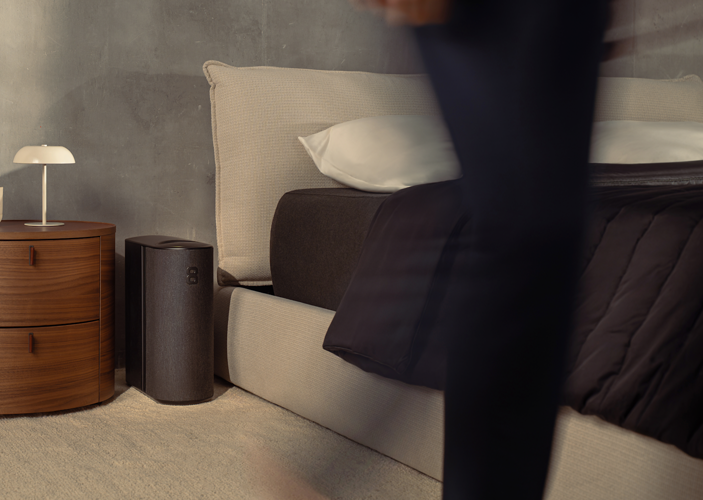
Brands like Eight Sleep have reframed temperature regulation as an essential component of modern rest. Their Pod Cover is engineered to maintain a consistent sleep temperature throughout the night, adjusting quietly as the body shifts through sleep stages. Warmth at 10 p.m. is not the same as warmth at 3 a.m., and the Pod acknowledges this difference. Its purpose isn’t gadgetry; it’s continuity—long valued in luxury hospitality and now increasingly achievable at home.
Stress: The Mind That Wakes Before the Body
Stress-related waking is a different beast, one rooted in cognitive activation rather than environment. Harvard sleep researchers have found that “cognitive offloading”—writing down tomorrow’s concerns before bed—meaningfully reduces nocturnal wakefulness. Once the brain believes the list is handled, it releases its grip.
This is the same philosophy behind the sensory lifestyle strategies we explored in our recent FINE feature on How Hotels Design for Winter Comfort—the idea that comfort emerges from removing friction rather than adding more inputs.
Hotels Have Known the Secret All Along
Hotels have always been engineers of sleep, even before the language of wellness took hold. Thick curtains, specific HVAC settings, dense carpets, sound-buffered hallways, and consistent lighting cues all exist to protect continuity. Luxury is not aesthetic; it is environmental stability.
At home, recreating that stability is less about indulgence and more about thoughtfulness choosing tools and textures that cooperate with biology.
The New Luxury: Continuity Over Abundance
The modern definition of luxury sleep has shifted away from abundance—more pillows, more supplements, more rituals and toward continuity. Eight uninterrupted hours. A night without reactivating the mind. A morning that feels light rather than groggy.
Sleeping through the night may never be as glamorous as champagne or silk robes, but in a world of constant interruption, it remains one of the rarest and most restorative luxuries available and increasingly, one we can intentionally design.


(0) comments
We welcome your comments
Log In
Post a comment as Guest
Keep it Clean. Please avoid obscene, vulgar, lewd, racist or sexually-oriented language.
PLEASE TURN OFF YOUR CAPS LOCK.
Don't Threaten. Threats of harming another person will not be tolerated.
Be Truthful. Don't knowingly lie about anyone or anything.
Be Nice. No racism, sexism or any sort of -ism that is degrading to another person.
Be Proactive. Use the 'Report' link on each comment to let us know of abusive posts.
Share with Us. We'd love to hear eyewitness accounts, the history behind an article.