
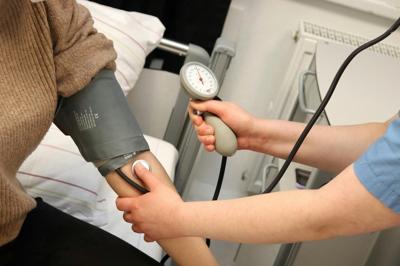

Modern nursing continues to reshape patient care through stronger clinical training, practical technology use, and a broader understanding of what patients need during treatment. Nurses bring structure to fast-moving clinical settings and create calmer, safer experiences for people who often feel overwhelmed.
Many teams rely on nurses to identify early signs of complications, guide families through complex decisions, and adjust care plans as new information appears. These shifts point toward a clear trend: nurses now influence every part of the patient journey rather than focusing only on bedside tasks. The result is a more attentive, informed, and supportive care environment.
Advanced Clinical Skills Elevating Care Quality
Nurses today receive preparation that stretches beyond routine procedures. Patients often meet nurses who can evaluate subtle changes in symptoms, interpret patterns in vital data, and anticipate what a physician may need next. This level of readiness supports faster responses during urgent situations and steadier oversight during regular treatment.
Hospitals depend on nurses to stabilize issues before they escalate, which gives patients a stronger sense of security. Clinical confidence also encourages clearer communication with families, which reduces uncertainty during stressful moments. These strengths steadily improve outcomes across a wide range of conditions.
Education Pathways Strengthening Nursing Expertise
Higher education standards help nurses build the judgment required for modern practice. Many individuals entering the field look for programs that prepare them to manage evolving clinical environments. If you're looking to enroll in a specialized bachelors nursing degree programs having a strong academic foundation, guided clinical rotations, and hands-on training, you’ll be well-positioned for long-term success in the field.
This kind of structured learning helps future nurses prioritize care, apply research findings, and maintain accuracy in settings that demand constant attention. Continuing education adds another layer of depth, supporting long-term growth and helping nurses adapt to new treatments, new technologies, and new patient expectations.
Technology Helping Nurses Deliver Safer Care
Digital tools simplify information flow and reduce the chances of miscommunication. Many nurses rely on electronic records that keep medication lists, test results, and care notes organized in one place. Smart monitoring systems alert staff to sudden changes, which allows teams to respond before a patient declines.
These tools support accuracy rather than replacing human judgment. Nurses still guide decisions, although technology makes each step clearer. Patients benefit because information follows them through every stage of treatment, which reduces repeated questions and cuts down on preventable delays. Technology also gives nurses more time for direct interaction, which strengthens trust.
Coordinated Care Models Improving Patient Journeys
Health care works best when every professional understands a patient’s goals, concerns, and immediate needs. Nurses often take the lead in aligning care teams, ensuring that treatment plans remain realistic and clearly communicated. Strong coordination gives patients a smoother path through appointments, procedures, and follow-up visits.
Families receive consistent explanations rather than mixed messages, which lowers confusion. When teams communicate well, patients experience fewer disruptions and feel more confident about their progress. This model also supports safer transitions between hospital care and home settings, where small misunderstandings can turn into complications.
Holistic Approaches Enhancing Patient Trust
Nursing practice grows more comprehensive each year, and patients feel the difference. Physical symptoms tell part of a story, although nurses often look further to understand stress levels, daily challenges, cultural factors, and lifestyle habits. Attention to these elements helps patients feel seen rather than processed.
Many individuals open up more readily when they sense genuine interest in their overall well-being. Nurses use these insights to shape realistic care plans that patients can follow without feeling overwhelmed. This approach builds trust, encourages cooperation, and supports steadier recovery patterns.
Expanded Leadership Roles Supporting Health Systems
Nurses influence care delivery far beyond the patient room. Many serve on committees that examine safety standards, workflow issues, and quality goals. Their daily experience gives them a practical perspective that strengthens administrative decisions. Leaders often depend on nurses to spot recurring challenges that may not be visible in reports alone.
When nurses participate in shaping policies, patients benefit from systems built around real needs rather than assumptions. These leadership roles also encourage innovation, since nurses bring forward ideas grounded in direct patient interaction. Hospitals grow stronger when nurses contribute to strategic planning, and teams gain a clearer sense of direction.
Community-Focused Nursing Improving Long-Term Outcomes
Patients continue to need guidance after leaving the hospital, and nurses often help them manage that transition. Community-based programs give patients support that extends into their homes, workplaces, and local clinics. Nurses explain early warning signs, medication routines, and lifestyle habits that reduce the risk of future complications.
Many individuals feel more prepared when they receive follow-up check-ins, educational sessions, or condition-specific coaching. This approach strengthens public health because communities gain access to informed guidance before small issues escalate. Patients appreciate this continuity, which keeps them engaged and encourages steady self-management.
Workplace Innovations Strengthening Nurse Well-Being
Healthy work environments help nurses stay focused, calm, and effective. Many organizations invest in staffing strategies that reduce burnout, along with tools that streamline repetitive tasks. Supportive workplaces make it easier for nurses to concentrate on patient needs rather than logistical barriers.
When nurses feel valued and have room to recover between demanding shifts, patient interactions grow more patient and attentive. Strong morale spreads throughout teams and shapes the overall tone of care. Modern practices highlight the importance of well-being, recognizing that sustainable nursing leads to safer, more reliable patient experiences.
Modern nursing reshapes care through stronger expertise, practical technology use, coordination across teams, and deeper attention to the whole person. Patients feel the difference through clearer communication, steadier guidance, and treatment plans that reflect their individual needs. Nurses also influence broader systems, helping health organizations operate with greater clarity and efficiency.
These shifts reflect a profession that continues to grow while staying grounded in compassion and thoughtful problem-solving. Patient care improves when nurses have the knowledge, tools, and support to perform at their best, and today’s advancements move steadily in that direction.


(0) comments
We welcome your comments
Log In
Post a comment as Guest
Keep it Clean. Please avoid obscene, vulgar, lewd, racist or sexually-oriented language.
PLEASE TURN OFF YOUR CAPS LOCK.
Don't Threaten. Threats of harming another person will not be tolerated.
Be Truthful. Don't knowingly lie about anyone or anything.
Be Nice. No racism, sexism or any sort of -ism that is degrading to another person.
Be Proactive. Use the 'Report' link on each comment to let us know of abusive posts.
Share with Us. We'd love to hear eyewitness accounts, the history behind an article.