

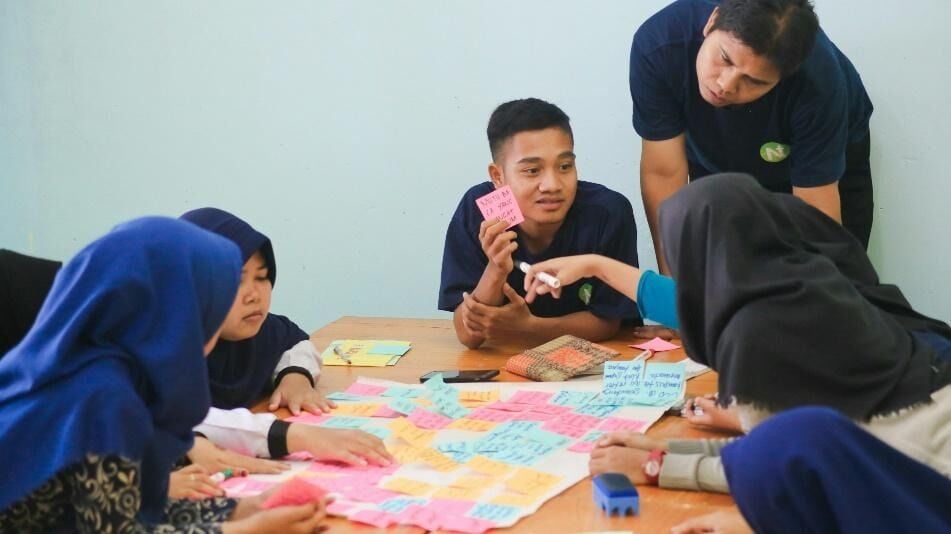
Young people today are growing up in a world filled with constant change, fast-paced communication, and increasing expectations. While these shifts bring new opportunities, they also place pressure on emotional well-being, self-understanding, and mental balance. Guiding today’s youth toward healthier minds and brighter futures requires patience, awareness, and intentional support from adults who recognize that emotional growth is just as important as academic success. When youth feel heard, supported, and valued, they develop confidence, resilience, and a clearer sense of purpose that carries into adulthood.
Healthy minds are built through consistent guidance, positive relationships, and environments that encourage growth rather than fear. Adults who work closely with young people hold a powerful responsibility. Their influence shapes how youth view challenges, handle emotions, and imagine their future. Supporting youth mental well-being is not about solving every problem for them. It is about equipping them with tools, perspective, and encouragement so they can face life with strength and hope.
Education as a Pathway to Mentorship and Guidance
Education plays a meaningful role in preparing adults to guide youth toward emotional balance and personal growth. Professionals who support students do more than address academic concerns. They help young people navigate stress, identity, relationships, and decision-making. Choosing to pursue a school counselor Masters online prepares individuals to support students by addressing emotional, social, and academic development through structured guidance and ethical practice. Online learning offers flexibility and accessibility, allowing future counselors to balance education with personal responsibilities while gaining practical knowledge that can be applied in real-world settings.
When educators and mentors receive proper training, they are better equipped to recognize emotional struggles and respond with compassion. Education creates awareness of how emotional challenges can affect learning and behavior. This awareness helps adults guide youth in ways that feel supportive rather than corrective. Mentorship rooted in understanding builds trust, which becomes the foundation for meaningful growth.
Understanding the Emotional Landscape of Youth
Youth experience emotions intensely as they grow and change. They are learning how to manage feelings, communicate needs, and understand the world around them. Emotional challenges can appear as frustration, withdrawal, or confusion. Without guidance, these feelings can feel overwhelming. Adults who understand this emotional landscape can respond with patience instead of judgment.
Listening plays a vital role in emotional guidance. When young people feel listened to, they feel valued. This sense of value strengthens self-worth and encourages openness. Open communication allows youth to express fears, dreams, and concerns without fear of dismissal.
The Role of Safe and Supportive Relationships
Supportive relationships are essential for emotional health. Youth thrive when they feel safe with the adults in their lives. Safety is created through consistency, respect, and empathy. When adults show genuine care, youth learn that their emotions matter and that seeking help is a sign of strength.
Trust grows when adults follow through on promises and respond with understanding. This trust allows youth to explore challenges without fear of failure. Supportive relationships provide a steady presence during moments of doubt or stress.
Encouraging Emotional Skills and Self Awareness
Emotional skills are not innate. They are learned through experience and guidance. Teaching youth how to recognize emotions helps them understand their reactions and choices. Self-awareness allows youth to pause, reflect, and respond thoughtfully rather than react impulsively.
Adults can encourage emotional skills by modeling calm behavior and thoughtful communication. When youth observe healthy emotional expression, they learn by example. Conversations about feelings normalize emotional experiences and remove stigma. Over time, youth develop the ability to manage stress, express needs, and navigate relationships with confidence.
Building Resilience Through Positive Challenges
Resilience grows when youth face challenges with support rather than avoidance. Life presents obstacles that cannot be removed entirely. Adults who guide youth through difficulties help them develop problem-solving skills and emotional strength. Encouragement during challenging moments reinforces the belief that growth comes through effort and reflection.
Resilience is built through learning how to cope with disappointment, change, and uncertainty. Adults can guide youth to view setbacks as learning opportunities rather than failures. This mindset fosters persistence and optimism. When youth understand that challenges are part of growth, they approach the future with courage.
Creating Environments That Promote Well-being
The environments in which youth learn and grow greatly influence mental well-being. Calm and respectful spaces encourage focus and emotional balance. Environments that value kindness and understanding allow youth to feel accepted and secure.
Adults can shape positive environments by setting clear expectations and modeling respectful behavior. Encouraging cooperation and empathy creates a sense of belonging. When youth feel included, they are more likely to engage positively and seek support when needed. A supportive environment nurtures emotional health and inspires confidence.
The Importance of Purpose and Direction
Youth benefit from guidance that helps them discover purpose and direction. Purpose gives meaning to effort and motivates growth. Adults can help youth explore interests, values, and goals through thoughtful conversation and encouragement. This exploration supports self-discovery and personal fulfillment.
Helping youth envision a positive future builds hope. When young people see possibilities, they are more motivated to care for their mental well-being. Purpose encourages responsibility and resilience. It reminds youth that their actions today shape the life they want tomorrow.
Supporting Mental Health Through Open Dialogue
Open dialogue about mental health reduces fear and misunderstanding. When adults speak openly about emotional well-being, youth learn that mental health is a natural part of life. This openness encourages youth to seek help when they feel overwhelmed.
Conversations about emotions should be honest and respectful. Avoiding judgment allows youth to share openly. When youth feel safe discussing mental health, they are more likely to develop healthy coping strategies. Open dialogue builds awareness and promotes long-term emotional health.
Guidance That Shapes Brighter Futures
Guiding today’s youth toward healthier minds and brighter futures requires dedication, empathy, and education. Adults who invest time and care into emotional guidance help youth build confidence, resilience, and hope.
Through supportive relationships, emotional skill development, and positive environments, youth gain the tools needed to thrive. The impact of guidance extends beyond childhood. Youth who receive thoughtful mentorship grow into adults who value mental well-being and meaningful connections.


(0) comments
We welcome your comments
Log In
Post a comment as Guest
Keep it Clean. Please avoid obscene, vulgar, lewd, racist or sexually-oriented language.
PLEASE TURN OFF YOUR CAPS LOCK.
Don't Threaten. Threats of harming another person will not be tolerated.
Be Truthful. Don't knowingly lie about anyone or anything.
Be Nice. No racism, sexism or any sort of -ism that is degrading to another person.
Be Proactive. Use the 'Report' link on each comment to let us know of abusive posts.
Share with Us. We'd love to hear eyewitness accounts, the history behind an article.