
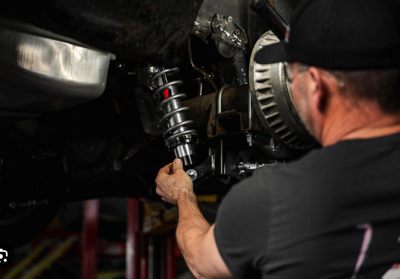
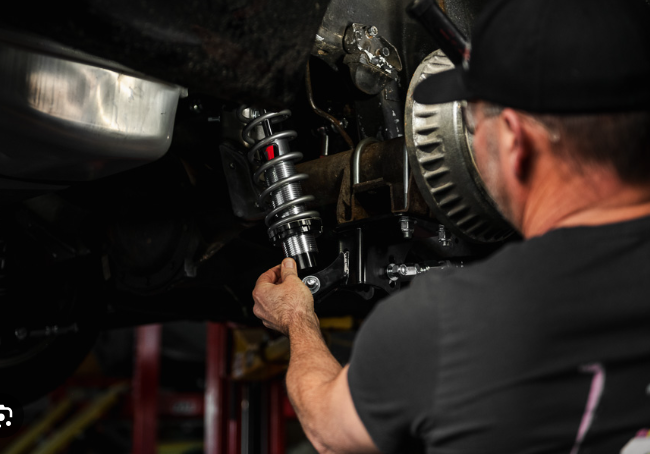
Tuning a vehicle’s suspension can improve how it responds to the road and handles turns. Making small, controlled changes at home offers greater control over the driving experience without requiring professional tools or facilities. With careful adjustments, the suspension can suit a driver’s specific preferences.
Coilovers allow flexibility in adjusting ride height, spring preload, and shock response. Each component plays a key role in how the suspension behaves. With attention to detail, it’s possible to optimize comfort, handling, and control from the garage.
Measure Ride Height Accurately
Ride height affects how a car behaves while turning or braking. Use a measuring tape from the center of the wheel hub to the bottom of the fender. Take notes for all four corners and ensure the car is on level ground. Always measure with the same tire pressure to avoid variation. Consistent reference points ensure accuracy during future changes.
To adjust ride height, turn the lower mount or spring perch using a spanner wrench. Make equal changes on each side of an axle. Check clearance under the vehicle and around the tires after each adjustment. A test drive over bumps and curves helps confirm balance. Even small changes may alter alignment settings.
Set Preload for Better Spring Support
Preload controls how much the spring stays compressed before movement starts. Too little preload may reduce support, while too much may limit travel. To reach the correct setting, turn the spring collar until it contacts the spring, then add half a turn for light preload. Use thread counts or collar marks to match both sides.
Coilovers respond in different ways based on preload levels. More preload adds firmness without affecting ride height. Less preload creates a softer initial response. Keep both springs equal to prevent uneven cornering. Check ride height again after adjusting preload, as some shift may occur during the process.
Adjust Damping for Road Response
Damping controls how fast the shock compresses and rebounds. Most shocks include adjustment knobs labeled by clicks or turns. Begin at the midpoint setting, then test with minor changes. Rebound slows extension, and compression slows contraction. Fine-tune each separately if the option is available.
Changes should be made gradually with test drives after each step. A car that feels unsettled may need more rebound. A car that feels stiff could benefit from softer compression. Record the number of turns or clicks from full soft to help replicate settings later. Use gloves when handling components near brakes or axles.
Inspect Key Suspension Parts
Check every visible part before any adjustments. Look for worn bushings, bent mounts, or fluid leaks. Dirt or undercoating may conceal suspension damage, so clean the area first. Use a torque wrench to secure all bolts after verifying factory specs. Always inspect shock mounts and sway bars as part of the process.
Focus on the following parts:
Shock bodies and mounting bolts
Control arms and bushings
Spring seats and collars
Axle connections
End links
Each component supports performance, so the condition matters. Check tire wear as well, since uneven patterns may suggest poor alignment. Address any visible issue before making further adjustments.
Keep a Log and Test Consistently
Tracking every change plays a key role in the process. Keep a written log with dates, specific adjustments, and direct feedback. Include road conditions and test drive results. Without clear notes, progress may fade, or past mistakes may return. Stick with the same routes and driving habits during each test.
Make only one setting change per test drive to isolate results. Adjust damping ahead of preload or ride height to prevent overlap. Give each change time for the suspension to settle before evaluating. A consistent review of the log may uncover patterns that support better future adjustments.
Why the Right Suspension Parts Make the Process Easier
Suspension tuning becomes much more manageable with equipment built for adjustability and precision. Kits designed specifically for performance tuning provide clear access to ride height, damping, and preload settings without added complexity. Features like threaded shock bodies and independent adjustment points help save time during setup.
Products made with strong materials and engineered for long-term reliability support better results at home. Having the ability to fine‑tune without disassembling key components gives drivers more confidence and control. For those looking to upgrade or replace parts, turning to a manufacturer that focuses on performance suspension makes the entire process more efficient and repeatable.
Coilovers help vehicle owners fine‑tune suspension from home with precision. Careful tracking and regular inspections help maintain consistency. Approaching each setting with care allows safe and predictable changes. Use reliable tools, keep a clean work area, and stay patient throughout the process. The result is a setup that feels more refined and better suited to everyday use.


(0) comments
We welcome your comments
Log In
Post a comment as Guest
Keep it Clean. Please avoid obscene, vulgar, lewd, racist or sexually-oriented language.
PLEASE TURN OFF YOUR CAPS LOCK.
Don't Threaten. Threats of harming another person will not be tolerated.
Be Truthful. Don't knowingly lie about anyone or anything.
Be Nice. No racism, sexism or any sort of -ism that is degrading to another person.
Be Proactive. Use the 'Report' link on each comment to let us know of abusive posts.
Share with Us. We'd love to hear eyewitness accounts, the history behind an article.