
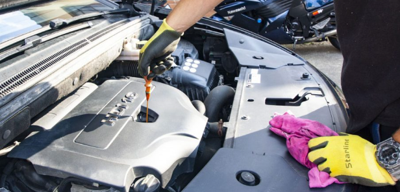

Noticing oil spots under your car can be alarming. Oil is essential for lubricating your engine, reducing friction, and keeping it running smoothly. A leak not only reduces the efficiency of your vehicle but can also lead to serious engine damage if left unchecked. Understanding the common causes of oil leaks and knowing how to address them early can save you money and prevent costly repairs. For professional inspections and repairs, drivers often rely on trusted oil change Houston services to ensure their vehicles stay in top condition.
1. Worn or Damaged Gaskets and Seals
Gaskets and seals prevent oil from escaping your engine. Over time, heat, pressure, and age can cause these components to crack or degrade, leading to leaks. Common problem areas include:
Valve Cover Gasket: Often the first sign is oil dripping near the top of the engine.
Oil Pan Gasket: Leaks appear underneath the car, usually near the oil pan.
Front and Rear Main Seals: Can cause significant leaks if worn.
Replacing worn gaskets and seals promptly is crucial to maintain engine health and prevent oil loss.
2. Loose or Damaged Oil Filter
The oil filter plays a vital role in removing contaminants from your engine oil. A loose or improperly installed filter can leak oil. Additionally, a damaged or old filter may fail to seal correctly. Checking the filter during every oil change near me ensures it is properly tightened and functioning as it should.
3. Faulty Oil Pan
The oil pan is located at the bottom of the engine and holds the engine’s oil supply. Road debris, corrosion, or improper installation can damage the oil pan, causing significant leaks over time. If your oil pan is cracked or dented, full replacement may be necessary to prevent further oil loss.
4. Overfilled or Incorrect Oil
Using the wrong type of oil or overfilling can lead to leaks. Excess oil increases pressure inside the engine, which may force oil past gaskets and seals. Always follow the manufacturer’s recommended oil type and quantity, and rely on a trusted auto repair near me for guidance and proper service.
5. Worn Engine Components
Older engines or those with high mileage may experience leaks due to worn internal components such as piston rings, timing cover, or the crankshaft seal. Regular engine inspections and professional maintenance can help identify these issues before they cause severe engine damage.
6. Oil Leaks Around the Turbocharger (If Applicable)
Vehicles with turbocharged engines have additional oil lines to lubricate the turbo effectively. Leaks can occur due to worn seals, high pressure, or loose fittings. Identifying turbo oil leaks early can prevent serious engine or turbocharger damage and costly repairs.
How to Detect an Oil Leak
Oil leaks can sometimes be subtle and hard to spot, but catching them early is essential to prevent engine damage.Paying attention to visual signs, unusual smells, and engine performance can help you identify leaks before they become serious:
Visual Inspection: Carefully look for oil spots or puddles under your car, around the engine, and near seals or gaskets that may be leaking.
Check Oil Level: A noticeable or sudden drop in engine oil level can indicate a leak that needs immediate attention before it causes damage.
Burning Oil Smell: Oil dripping onto hot engine parts, such as the exhaust manifold, can produce smoke, a strong odor, or visible burning residue.
Professional Inspection: Certified technicians can use special dyes, pressure tests, or advanced diagnostic tools to accurately locate hidden or hard-to-find leaks in your engine.
Why Prompt Repair Matters
Ignoring an oil leak can lead to serious consequences, including engine overheating or damage due to insufficient lubrication, reduced fuel efficiency, and increased emissions. Leaks that go unaddressed may also result in costly repairs if they cause damage to other engine components. Scheduling timely repairs with a professional auto repair service ensures the problem is properly resolved, keeping your vehicle safe, reliable, and performing at its best.
Protect Your Engine from Oil Leaks
Oil leaks are more than just a minor inconvenience; they can signal underlying engine problems that may lead to severe damage if ignored. Even small leaks, if left unattended, can cause engine components to wear prematurely or lead to overheating issues over time. Understanding the common causes and acting quickly is essential to avoid costly repairs and maintain vehicle performance.
Regular inspections, proper maintenance, and prompt repairs by professional auto repair technicians are the most effective ways to keep your engine running smoothly. Addressing oil leaks early not only preserves your engine’s longevity but also ensures your vehicle remains safe, reliable, and efficient on the road.

(0) comments
We welcome your comments
Log In
Post a comment as Guest
Keep it Clean. Please avoid obscene, vulgar, lewd, racist or sexually-oriented language.
PLEASE TURN OFF YOUR CAPS LOCK.
Don't Threaten. Threats of harming another person will not be tolerated.
Be Truthful. Don't knowingly lie about anyone or anything.
Be Nice. No racism, sexism or any sort of -ism that is degrading to another person.
Be Proactive. Use the 'Report' link on each comment to let us know of abusive posts.
Share with Us. We'd love to hear eyewitness accounts, the history behind an article.