


Winter changes how we inhabit our homes. Days shorten, windows stay shut, and comfort becomes a full-body experience rather than a decorating project. Heating systems inevitably shoulder more responsibility, yet the homes that feel best in winter are not the ones that simply pump more warm air. They are the ones that use design, textiles, lighting, and small rituals to support the body in smarter, more sensory ways. Comfort becomes intentional, beautifully considered, and surprisingly energy-conscious.
This approach has long defined European winter living and boutique hospitality. Instead of overwhelming the thermostat, these spaces create warmth through micro-zones, harness daylight, and use surfaces and light to reduce the urge to heat entire floors. The result is a winter home that feels indulgent without being wasteful.
Warm Micro-Zones Instead of Whole-House Heating

Most winter homes are heated as if every room is constantly occupied. In reality, winter living happens in distinct pockets: the kitchen, the sofa, the dining table, the bed. Hospitality design embraces this instinct. Instead of heating every corner, it layers warmth where people actually linger.
Textiles and thoughtful seating not only feel warm; they function like low-tech insulation. A plush rug keeps feet warm without needing to raise the thermostat. A bed layered with cozy bedding becomes a thermal refuge, holding heat where the body rests.
Winter also reshapes how we entertain. Instead of going out, many create intimate viewing spaces at home. For example, a home cinema setup like the iLive Pop‑Up Movie Theater Kit product page turns a living room into a cinema without spreading heat across unused rooms. Everyone gathers in one warm zone, conserving energy while elevating the sense of occasion.
Lighting and Smart Daylight Control That Keeps Heat Where It Belongs

Lighting affects more than ambiance in winter. Cold, stark overhead bulbs can make a room appear less inviting, triggering a psychological response: turn up the heat. Boutique spaces take the opposite approach. Warm, layered light like table lamps and indirect sources makes spaces feel cozy and reduces the impulse to chase warmth with the thermostat.
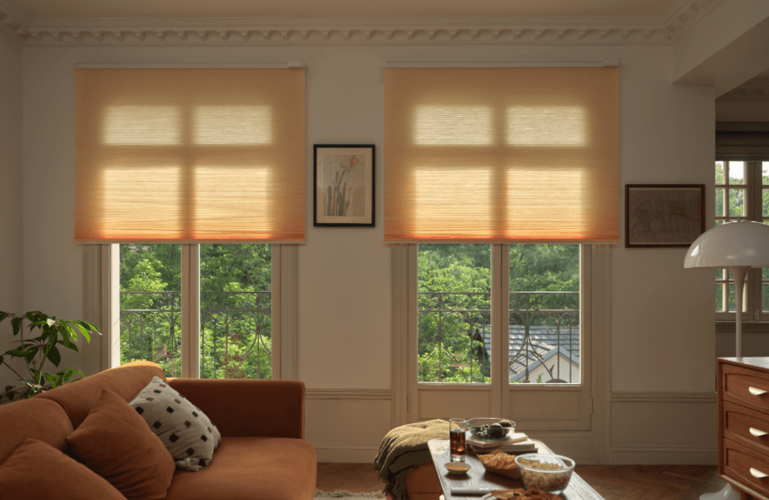
Managing daylight is equally effective. Automated, easily controlled shades like those from Allesin Smart Shades official product page can capture low winter sun for passive heat gain and then provide insulation at dusk. These shades help keep rooms warmer during the day and slow heat loss at night without construction or heavy energy use.
Morning ritual also plays a subtle role. Gentle wake devices such as the Arc Alarm Clock ease the transition from dark winter dawns without blasting a room with lights or heat. Waking gently makes the space feel comfortable sooner and reduces the need for aggressive environmental control.
Cooking as a Winter Heat Source

The kitchen naturally becomes a warm micro-climate in winter. Beyond nourishment, cooking injects heat and humidity into the home, two elements that instantly improve perceived comfort. European homes and hotels have long leveraged this dynamic, welcoming guests into spaces where warmth comes from activity, not heating output alone.
Smart cooking tools elevate this experience without energy waste. A precision device like the MeatStick V official product page wireless smart meat thermometer ensures perfectly cooked roasts and braises without repeatedly opening hot ovens — a small efficiency that keeps heat contained longer.
Entertaining indoors becomes part of the comfort strategy as well. A countertop solution like the Kismile Countertop Nugget Ice Maker 58015RIM0 product page provides stylish beverage service without extra trips outdoors, reducing heat loss from door openings and enhancing the sense of hospitality that central heating alone cannot create.
Air Comfort Without Sacrificing Heat

Air quality matters just as much as temperature in winter. Fresh air makes a space feel lighter and more inviting, yet opening windows in cold weather immediately dispels warmth. Instead, purification systems ensure indoor air feels clean without the penalty of lost heat.
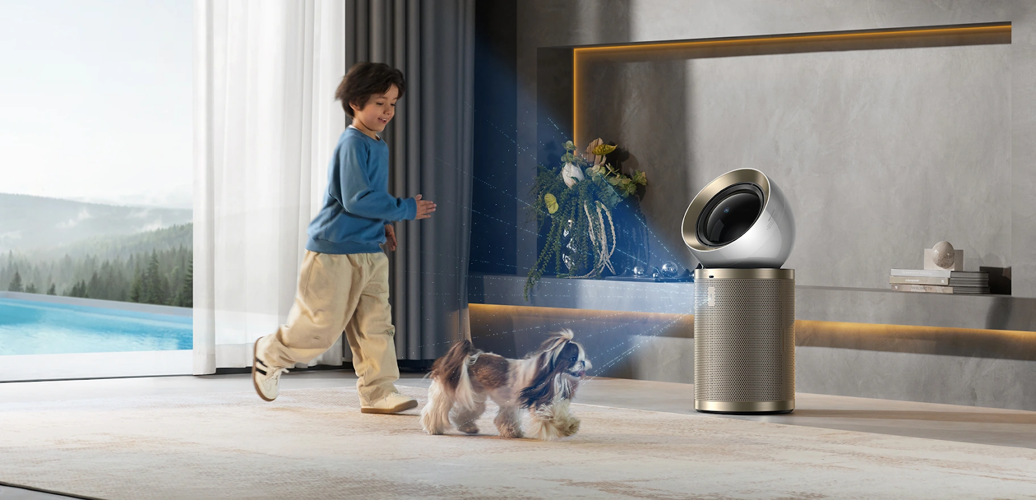
Multi-stage solutions like the Dreame AP10 Pet Air Purifier product page quietly cycle and filter indoor air, removing fine particles, allergens, and pet hair that can make closed winter spaces feel stale. Families can maintain breathable air without cracking a window and shivering, preserving both comfort and energy.
This approach recognizes that comfort is more than temperature alone. A room that smells fresh and feels breathable encourages lingering — and deeper occupancy of warm areas — which, over time, reduces energy waste.
Morning Rituals That Reduce Thermal Shock
Winter mornings are notorious for their chill. The instant transition from a warm bed into a cold bathroom often leads to quick thermostat adjustments. Hotels sidestep this with layered textiles and warm surfaces. At home, adopting the same mindset softens that thermal shock.
Dense towels, cushioned bath mats, and warm lighting help retain heat at the body’s points of contact. When the morning feels gentle rather than harsh, the instinct to blast heat diminishes. Warmth becomes a texture, not just a thermodynamic state.
Comfort as the New Expression of Efficiency
Luxury in winter is no longer measured by how high the thermostat goes but by how creatively warmth is shaped. Homes that feel indulgent and cozy in cold months often use less energy, not more. They leverage textiles, lighting, daylight, cooking heat, and air quality to work with the season instead of against it.
This is the new language of winter comfort: warmth as sensory experience rather than force. Micro-zones instead of whole-house heating. Fresh air without open windows. Warm surfaces instead of blasting heat. Gathering spaces that make life feel intentional instead of reactionary.
In that sense, efficiency and comfort are not opposites. They are partners — and the most refined winter homes embody both.
(0) comments
We welcome your comments
Log In
Post a comment as Guest
Keep it Clean. Please avoid obscene, vulgar, lewd, racist or sexually-oriented language.
PLEASE TURN OFF YOUR CAPS LOCK.
Don't Threaten. Threats of harming another person will not be tolerated.
Be Truthful. Don't knowingly lie about anyone or anything.
Be Nice. No racism, sexism or any sort of -ism that is degrading to another person.
Be Proactive. Use the 'Report' link on each comment to let us know of abusive posts.
Share with Us. We'd love to hear eyewitness accounts, the history behind an article.