
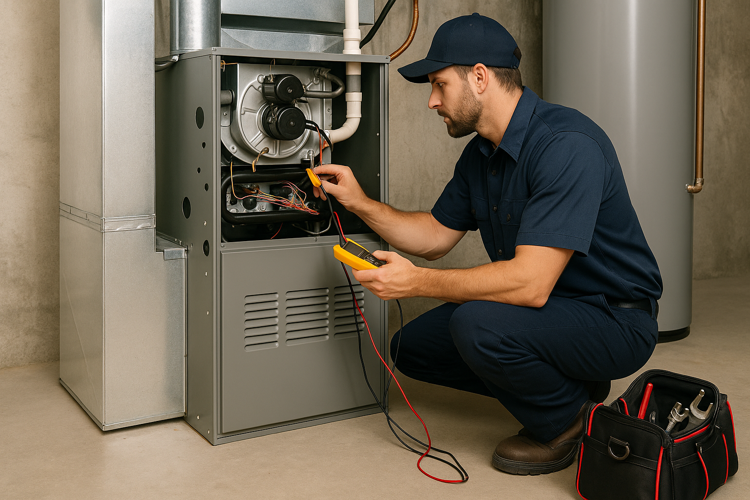


A functioning furnace is essential for keeping your home warm and comfortable during the colder months. Over time, however, furnaces can become inefficient, costly to repair, or even unsafe. This is when furnace replacement becomes necessary. Understanding when and why to replace your furnace, and how to choose the right system, can save you money, improve home comfort, and ensure long-term reliability.
Signs You Need a Furnace Replacement
Recognizing the warning signs that your furnace is failing is the first step in planning a replacement. Common indicators include:
Frequent Repairs: If your furnace requires repeated repairs, the cumulative cost may exceed the price aof a new system.
Age of the Furnace: Most furnaces last between 15 to 20 years. If your system is older, efficiency and reliability may be compromised.
Rising Energy Bills: An inefficient furnace consumes more energy to heat your home, resulting in higher monthly utility bills.
Uneven Heating: Rooms that remain cold or have inconsistent temperatures may indicate that your furnace is struggling to distribute heat effectively.
Strange Noises or Odors: Banging, rattling, or unusual smells coming from your furnace can indicate mechanical issues or safety hazards.
Consulting with a licensed HVAC professional can help determine if furnace replacement is the most cost-effective and safe option.
Benefits of Furnace Replacement
Replacing an old or inefficient furnace offers several advantages:

Improved Energy Efficiency: Modern furnaces are designed to use less fuel while providing optimal warmth, helping reduce energy costs.
Enhanced Comfort: A new furnace ensures consistent heating and better airflow throughout your home.
Increased Home Safety: Older furnaces can pose risks such as carbon monoxide leaks. New systems meet current safety standards.
Long-Term Savings: Investing in a high-efficiency furnace reduces maintenance costs and prevents emergency repairs.
By considering these benefits, homeowners can make a well-informed decision about furnace replacement.
Choosing the Right Furnace
When replacing a furnace, it’s important to select a system that fits your home’s size, heating needs, and budget. A licensed HVAC technician can calculate the required BTU output to ensure your home is adequately heated. Options may include gas, electric, or oil furnaces, each with its pros and cons depending on your energy sources and efficiency goals.
Additionally, selecting an Energy Star-rated furnace can maximize efficiency, reduce environmental impact, and qualify for potential rebates or incentives.
Professional Installation Matters
Proper installation is crucial for the longevity and efficiency of your new furnace. A professional HVAC technician ensures:
- Correct sizing and placement of the furnace
- Proper ductwork and ventilation setup
- Compliance with safety regulations and building codes
- Seamless integration with your existing heating system
DIY furnace replacement is strongly discouraged, as improper installation can lead to reduced efficiency, safety hazards, and voided warranties.
Conclusion
A timely furnace replacement can transform your home, improve energy efficiency, and enhance comfort and safety. By recognizing the signs of a failing furnace, selecting the right system, and relying on professional installation, homeowners can enjoy reliable heating for years to come. Don’t wait for breakdowns to happen—plan your furnace replacement today to ensure a warm and worry-free home.
(0) comments
We welcome your comments
Log In
Post a comment as Guest
Keep it Clean. Please avoid obscene, vulgar, lewd, racist or sexually-oriented language.
PLEASE TURN OFF YOUR CAPS LOCK.
Don't Threaten. Threats of harming another person will not be tolerated.
Be Truthful. Don't knowingly lie about anyone or anything.
Be Nice. No racism, sexism or any sort of -ism that is degrading to another person.
Be Proactive. Use the 'Report' link on each comment to let us know of abusive posts.
Share with Us. We'd love to hear eyewitness accounts, the history behind an article.