
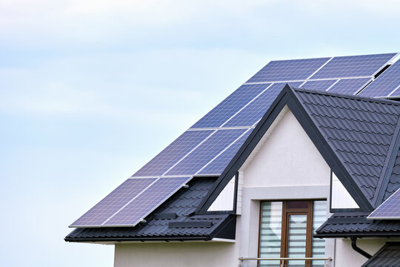

As the world grapples with the escalating challenges of climate change, the spotlight is increasingly turning to renewable energy sources. Among these, solar power stands out as a beacon of sustainable and efficient energy production. In recent years, residential solar panels have gained significant popularity as homeowners seek ways to reduce their carbon footprint and energy bills. This article delves into the various facets of solar solutions, exploring how homeowners can maximize the potential of solar panels in residential settings.
Harnessing the Power of the Sun
Solar panels, also known as photovoltaic (PV) panels, convert sunlight into electricity, providing an eco-friendly and renewable energy source. The technology behind solar panels has advanced rapidly, making them more affordable and efficient than ever before. The basic principle involves the absorption of sunlight by photovoltaic cells, generating a direct current (DC) that is then converted into alternating current (AC) by an inverter for household use.
Reducing Energy Bills
One of the primary motivations for homeowners to invest in solar panels is the potential for significant cost savings on energy bills. By generating electricity from the sun, homeowners can reduce their reliance on traditional utility sources, thus mitigating the impact of rising energy costs. Many residential solar panel systems are designed to meet a significant portion of a household's energy needs, and in some cases, even produce surplus energy that can be fed back into the grid, earning homeowners credits or compensation.
Increasing Home Value
Now, turning our attention to the financial aspect, it's worth asking: do solar panels increase the value of your home? Studies have shown that, in many cases, solar panels do indeed enhance the market value of a property. Homebuyers are increasingly valuing energy-efficient features, and solar panels can be a significant selling point. A study conducted by the U.S. Department of Energy's Lawrence Berkeley National Laboratory found that homes equipped with solar panel systems sell for higher prices than those without. The increase in home value is attributed to the perceived long-term savings on energy costs and the environmental benefits associated with solar energy.
Environmental Benefits
Beyond financial savings, the environmental benefits of solar panels cannot be overstated. Unlike conventional energy sources such as coal or natural gas, solar power produces no greenhouse gas emissions during operation. By opting for solar solutions, homeowners contribute to the reduction of carbon footprints, aiding in the global fight against climate change. Solar energy also helps conserve natural resources and reduces dependence on finite fossil fuels, fostering a more sustainable and environmentally conscious way of living.
Technological Advancements and Efficiency
Recent advancements in solar panel technology have significantly improved their efficiency and durability. Innovations such as high-efficiency solar cells, bifacial panels, and advanced tracking systems enhance energy capture, making solar solutions even more viable for residential use. Additionally, improvements in manufacturing processes have lowered the cost of production, making solar panels more accessible to a broader range of homeowners.
Government Incentives and Rebates
Governments around the world are recognizing the importance of transitioning to renewable energy and often provide incentives and rebates to encourage homeowners to adopt solar solutions. These incentives can include tax credits, grants, and rebates that offset the initial costs of installing solar panels. Such government support not only makes solar panels more affordable but also accelerates the widespread adoption of renewable energy solutions.
Aesthetics and Integration
Concerns about the aesthetics of solar panels have been raised by some homeowners, but technological advancements are addressing these issues. Solar panels are now available in various designs and colors, allowing for better integration with the architectural style of a home. Some systems are designed to be nearly invisible, with solar cells integrated into roofing materials. This not only enhances the visual appeal of the property but also underscores the seamless integration of solar solutions into residential settings.
Maintenance and Longevity
Another aspect to consider when investing in solar panels is the maintenance and longevity of the system. Fortunately, solar panels require minimal maintenance, typically consisting of periodic cleaning and occasional checks by professionals. Most manufacturers offer warranties ranging from 20 to 25 years, showcasing the robustness and durability of modern solar panels. This long lifespan ensures a reliable and consistent source of clean energy for homeowners over an extended period.
In conclusion, residential solar panels offer a myriad of benefits, ranging from substantial energy savings to positive environmental impacts. The increasing efficiency, technological advancements, and government incentives make solar solutions an attractive option for homeowners looking to embrace sustainable living. Furthermore, the potential increase in home value and the aesthetic integration of solar panels into residential settings contribute to the overall appeal of adopting this renewable energy source. As the world continues to prioritize eco-friendly practices, solar panels emerge as a practical and impactful solution for homeowners seeking to maximize the potential of their homes while minimizing their environmental footprint.


(0) comments
We welcome your comments
Log In
Post a comment as Guest
Keep it Clean. Please avoid obscene, vulgar, lewd, racist or sexually-oriented language.
PLEASE TURN OFF YOUR CAPS LOCK.
Don't Threaten. Threats of harming another person will not be tolerated.
Be Truthful. Don't knowingly lie about anyone or anything.
Be Nice. No racism, sexism or any sort of -ism that is degrading to another person.
Be Proactive. Use the 'Report' link on each comment to let us know of abusive posts.
Share with Us. We'd love to hear eyewitness accounts, the history behind an article.