

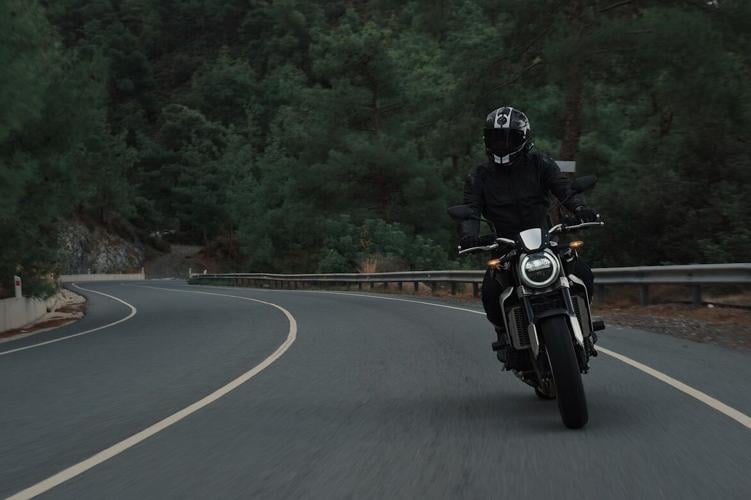
Riding a motorcycle is an exhilarating experience, offering freedom and a sense of adventure like no other mode of transport. It comes with significant risks. Motorcycle accidents are often more severe than car accidents due to the lack of protection for riders.
That’s why it’s important to prioritize safety every time you hit the road. This article covers eight safety tips that can help reduce your chances of an accident and make every ride a safer experience.

Wear the Right Gear Every Time You Ride
While helmets are a legal requirement in many places, other safety gear is just as crucial. Always wear a DOT-approved helmet, which offers vital protection in the event of a fall or collision. Invest in protective clothing such as armored jackets, gloves, pants, and boots. These pieces are designed to protect your body from abrasions, cuts, and broken bones in case of an accident.
Even though some riders may feel it's unnecessary to wear all gear for short trips, it's important to always be fully protected. A lawyer can help you after a motorcycle accident by ensuring you receive compensation for injuries, medical bills, and damages if your gear had an impact on minimizing harm. One of the most important safety measures a rider can take is wearing the appropriate gear.
Take a Motorcycle Safety Course
Even experienced riders can benefit from taking a motorcycle safety course. These courses are designed to teach both new and seasoned riders how to operate their motorcycles safely and effectively. These courses cover important defensive riding techniques, including how to handle emergency situations.
Safety courses provide hands-on training that helps you learn important riding skills in a controlled environment. You'll get the chance to practice handling your bike, braking, and maneuvering in different conditions. Riders who have completed a certified safety course tend to be better prepared for handling the road’s challenges and reacting quickly to potential dangers.
Check Your Motorcycle Before Every Ride
Before you hit the road, it’s important to perform a basic check-up on your motorcycle to ensure it’s in proper working condition. A pre-ride inspection should include checking the tire pressure, brakes, oil level, and lights, among other things. These checks can prevent mechanical failures that could lead to accidents.
Inspecting your bike regularly includes checking the chain tension, ensuring the throttle operates smoothly, and verifying that mirrors and turn signals are properly adjusted. A properly maintained bike is much safer and less likely to break down during your ride, which can prevent accidents caused by equipment failure.
Be Mindful of Road Conditions
Motorcycles are more vulnerable to changes in road conditions than cars, which makes it crucial to stay aware of your environment. Always be cautious of wet, slippery, or gravel-covered roads, as these can cause your tires to lose traction, increasing the risk of losing control. Potholes, road debris, and uneven surfaces pose significant hazards.
When riding, adjust your speed according to the road conditions. Slow down when riding through curves, construction zones, or areas with poor road quality. By staying aware of your surroundings and adjusting to the conditions, you can avoid unnecessary accidents and maintain better control of your bike.
Practice Defensive Riding
Defensive riding is an important technique for avoiding accidents and staying safe on the road. As a motorcycle rider, it’s crucial to always anticipate the actions of other drivers and be prepared to react to them. Keep a safe distance from other vehicles, especially trucks, cars, and buses, which may block your view or create blind spots.
Always be on the lookout for drivers who might not see you, such as those turning left without signaling, running red lights, or making sudden lane changes. Staying visible by wearing bright clothing and using your headlights during the day can help other drivers notice you. Ride as though others don’t see you, and constantly be aware of your surroundings to avoid dangerous situations.
Avoid Riding in Bad Weather
Bad weather conditions, such as rain, snow, or fog, can make riding a motorcycle incredibly hazardous. Wet roads reduce traction, increasing the likelihood of slipping or losing control. Poor visibility due to rain or fog can make it difficult for other drivers to see you.
Whenever possible, avoid riding in inclement weather. If you must ride, reduce your speed, increase your following distance, and exercise extra caution. Ensure that your bike’s tires have proper tread for better grip in wet conditions. If conditions are particularly dangerous, it’s better to delay your ride until the weather improves, rather than taking unnecessary risks.
Keep a Safe Speed and Ride Sober
Speeding is one of the leading causes of motorcycle accidents. It’s important to ride at a speed that is appropriate for the road conditions, traffic, and your level of experience. Riding too fast reduces your ability to react to hazards, and it increases the severity of an accident if one occurs.
Never ride under the influence of alcohol or drugs. Alcohol impairs reaction times, coordination, and judgment, making riding a motorcycle dangerous. If you plan on drinking, arrange for an alternate mode of transportation. Always prioritize your safety by riding sober and adhering to speed limits.
Be Prepared for an Emergency
Even with all precautions in place, accidents can still happen. That’s why it’s crucial to be prepared for an emergency. Carry a first aid kit, and ensure that you know basic first aid skills, such as how to treat a wound or perform CPR. Having access to emergency numbers on your phone and knowing where the nearest hospital is can make a significant difference if an accident occurs.

Motorcycle riding can be an enjoyable and freeing experience, but it comes with inherent risks. By following these safety tips, you can reduce the likelihood of accidents and improve your chances of staying safe on the road. Always wear the right gear, take a safety course, and maintain your bike to ensure its optimal performance.
Ride defensively, be mindful of weather conditions, and always obey traffic laws to make every ride as safe as possible. By making safety a priority, you can enjoy the thrill of riding while minimizing risks and maximizing your well-being.

(0) comments
We welcome your comments
Log In
Post a comment as Guest
Keep it Clean. Please avoid obscene, vulgar, lewd, racist or sexually-oriented language.
PLEASE TURN OFF YOUR CAPS LOCK.
Don't Threaten. Threats of harming another person will not be tolerated.
Be Truthful. Don't knowingly lie about anyone or anything.
Be Nice. No racism, sexism or any sort of -ism that is degrading to another person.
Be Proactive. Use the 'Report' link on each comment to let us know of abusive posts.
Share with Us. We'd love to hear eyewitness accounts, the history behind an article.