
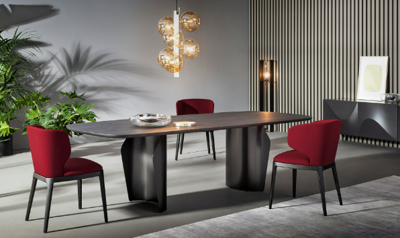

A dining table does more than hold plates. In a modern home, it supports daily meals, quick work sessions, and the kind of conversations that start at dinner and end much later. That is why the right table choice is less about trend and more about fit. The table has to suit your space, your seating needs, and your day-to-day routine.
Bonaldo dining tables are chosen for modern interiors for a simple reason. Many models pair a sculptural base with a clean top, then offer multiple sizes and finishes so the same design can work in different homes. This guide narrows the options, then shows you how to decide using materials, shapes, and seating comfort.
Best Picks at a Glance
If you want a fast shortlist, start here. Each pick matches a common modern home scenario.
Best all-rounder: Big Table
Best for clean lines and easy expansion: AX
Best for a softer look that still feels modern: Hippos or Hippos Wood
Best for a refined, architectural statement: Torii
Best for round seating and conversation: Circus
Best for round seating with a warmer feel: Pivot
Best for compact homes that need flexibility: Art or Art Wood
Best for frequent hosting with controlled extension: Prora
This list gives you a direction. The next step is choosing the Bonaldo furniture in the right order, so the final pick feels obvious.
The Decision Framework That Prevents Regret
Most dining-table mistakes come from picking a design first, then forcing it to fit the room. A better approach follows a clear sequence.
Step 1: Lock your circulation space
Start with the space around the table, not the tabletop.
A common planning target is about 75 cm behind chairs as a minimum, with closer to 90 cm when that area is a main walkway.
This is the difference between a dining space that feels open and one that feels blocked.
Step 2: Match the table shape to the room shape
The room layout decides the table shape that will feel natural.
Rectangular: suits long rooms and open-plan dining zones aligned with kitchens or sofas
Round: suits square rooms, tighter circulation, and more conversational seating
Barrel or rounded corners: suits spaces that need the seating of a rectangle without sharp corners
Step 3: Decide if you need an extendable top
A fixed table can feel calmer in daily life. An extendable table can feel smarter if you host even semi-regularly. The key is choosing an extension style you will actually use.
Step 4: Choose the tabletop material for your lifestyle
Material changes how the table looks, how it feels, and how it holds up over time. This choice should follow your habits, not only the visual style.
Step 5: Pick chairs that work with the base
Comfort depends on legroom and chair placement. The base design decides how easily chairs slide in, especially armchairs.
Now that the framework is set, the model choices become clearer.
Best Bonaldo Dining Tables and How They Fit Modern Homes
Big Table: best for bold design with flexible sizing
Big Table is the best choice when you want the table to feel like a centerpiece without adding visual clutter. The intersecting base creates presence, while the top stays visually clean.
This model also suits real life. It is available in fixed and extendable versions, which lets one table handle both daily meals and larger gatherings.
It also comes in a wide range of top finishes, so you can steer it toward warm, minimal, or statement styling.
This leads naturally to AX, which keeps the look cleaner and more linear.
AX: best for clean layouts and extendable use
AX works well in modern layouts that value straight lines and a tidy footprint.
Its rectangular form suits open-plan dining zones and long rooms, especially when the table sits parallel to a kitchen run.
The extendable version is the key advantage. It adds seating when needed, then closes back down so the room keeps its breathing space.
This is a smart fit for households that host, but still want a table that feels controlled on a normal day.
If you prefer softer forms, Hippos is the next step.
Hippos and Hippos Wood: best for softer forms in modern spaces
Hippos suits modern homes that want warmth without losing a contemporary look.
The base and top feel balanced and substantial, which helps the table look grounded even in light, airy interiors.
Hippos Wood adds a stronger natural-material presence, which can make the dining zone feel more inviting.
This model pairs well with upholstered chairs, which suit families and anyone who enjoys longer meals.
If your goal is a more composed, architectural presence, Torii fits that direction.
Torii: best for architectural simplicity
Torii suits minimalist spaces where every piece has to earn its place.
The design reads as calm and structured, which makes it a good fit for dining areas that are visible from multiple angles in an open-plan home.
Torii also responds well to material choice. A wooden top shifts it warmer.
A stone-like top shifts it to a more formal style. The base stays consistent, so the material becomes the main styling lever.
If you want a table that changes how people interact, round seating is the next topic.
Pivot: best for round seating and fluid movement
Pivot supports round seating with a central base, which helps chairs slide in without catching on the corner legs.
This can be a strong advantage in smaller dining zones where chair movement is limited.
Round seating changes the feel of a meal. It tends to keep everyone engaged and makes the space feel more social.
Pivot is a good fit when you want that effect, and you also want a round or round-edged top option that softens the layout.
Circus is another round option with a strong center presence.
Circus: best for round focal point dining
A circus is a fixed round table that works well as a visual anchor in a dining zone.
A round table can reduce the blocked pathway problem in tighter rooms, since there are no corners to cut into walkways.
This model also makes chair selection simpler. Many chair styles can work around a round table, as long as heights and proportions stay consistent.
If you host often and want a table that scales in a controlled way, Prora is worth attention.
Prora: best for maximizing seating in large gatherings
Prora is a strong fit for homes that host regularly. It offers a fixed and extendable setup, and the extendable format uses independent side extensions.
That approach can help keep the table stable and orderly during expansion.
This table suits larger dining zones, especially when you want the room to look composed both in daily use and during gatherings.
If your dining table also serves as a work surface, Art fits that mixed-use need.
Art and Art Wood: best for multi-use dining spaces
Art suits modern homes where the dining table is not used only for meals. Many households use the table for work, study, and shared tasks, then reset it for dining.
Art is offered across different shapes and versions, including extendable formats.
That flexibility helps you match the model to your room layout without changing the design language.
Art Wood adds warmth if you want the base to blend into a living area rather than stand out.
Now that the key tables are clear, the next decision is the tabletop material. This is what you touch every day, so it deserves its own focus.
Choosing the Right Material for Daily Use
Wood and veneer
Wood tops bring warmth and visible grain, which helps modern rooms feel less rigid. Veneered tops offer consistency.
Solid wood adds depth and texture. Wood also pairs easily with fabric and leather chairs.
Wood tends to suit households that want a welcoming look and do not mind basic care.
Ceramic
Ceramic tops are popular in modern homes for durability.
They are chosen for busy households where the table sees frequent use.
Ceramic also fits interiors that want a stone-like look without the same sensitivity as natural stone.
This material suits homes that value low-stress daily use.
Glass
Glass tops create visual lightness. They reflect light and reduce visual weight, which can help a compact dining area feel more open.
Glass also shows fingerprints more quickly, so it fits homes that are comfortable with regular wipe-downs.
Glass can work well when you want the base design to stay visible.
Marble
Marble offers a strong visual impact through natural veining.
It can stain or etch if spills sit on the surface, so it rewards fast cleanup and basic protection habits.
Marble suits homes that want a statement table and can support mindful care.
Clay and special finishes
Clay and more artisanal finishes appeal to homeowners who want texture and character.
This choice works best when the table is meant to stand out as a design feature, not only as a utility surface.
Material supports usability, but shape supports movement. That is the next layer.
Shapes and Sizes That Fit Real Rooms
Rectangular tables
Rectangular tables suit long rooms and open-plan layouts. They also support flexible seating, including end seats when space allows.
This shape is the easiest to place with rugs, pendant lights, and sideboards.
Rectangles also work well for extendable formats, since the extension can follow the table’s axis.
Round tables
Round tables are useful in square rooms and compact dining zones with tight circulation.
They remove corners and can make movement around the table feel easier.
They also support conversation since everyone faces inward.
Round tables pair well with a central pendant light and a round rug.
Barrel and rounded corner shapes
Barrel and rounded corner shapes sit between rectangle and round. They keep the seating capacity of a larger table while reducing sharp edges that can make a room feel cramped.
This is a strong option when the dining zone sits near a hallway path or a kitchen walkway.
Shape leads directly into seating comfort. A table can look perfect and still fail if the seating feels tight.
Seating Guidelines That Support Comfort
Two rules help most homes avoid crowding:
Space per person: A common planning target is around 60 cm of table edge per person as a baseline.
Clearance behind chairs: Aim for 75 cm minimum, closer to 90 cm in main walkways.
These guidelines support comfort and reduce the need to shuffle chairs during meals. They also help you decide if a table should be fixed or extendable.
Chair height also matters. The seat should allow legs to move under the tabletop without forcing a cramped posture. This is where the table base design matters, especially with armchairs.
Now connect seating comfort to styling, so the final setup feels cohesive.
Choosing and Pairing Chairs Without Fighting the Table
Start with comfort, then match style.
Cool tops like glass, ceramic, and marble: upholstered chairs can add warmth and balance
Wood tops: both upholstered and lighter-framed chairs can work, depending on the room
Mixing chairs is possible when there is a shared thread, such as the same upholstery color or the same leg finish. Keeping seat heights consistent helps the setup feel intentional.
The most common chair mistake is choosing chairs that look great alone, then discovering they clash with the base geometry. Always picture chairs pulled in, pulled out, and partially turned. That is how dining looks in real life.
Now bring this back to Greece, where space, access, and delivery details can shape the final decision.
Buying and Planning in Greece
If you are buying in Greece, the shopping process should include two layers: confirming product availability through official brand channels, then confirming the practical realities of your home.
Start with the official store locator, like Armeniakos, so you know you are working with authorized sources.
Then plan for delivery access. Many Greek apartments have tight stairwells, narrow turns, and smaller elevators. Island homes and older buildings can add extra delivery constraints as well.
Finish samples also matter. Lighting in showrooms can differ from lighting at home, especially in coastal areas with strong daylight. Seeing finishes in person reduces the risk of a mismatch between expectation and reality.
If you choose an extendable table, confirm the extension method and how it moves. The goal is a mechanism you will actually use. Once the table is in place, care should match the surface. The right habits keep the table looking consistent over time.
Care That Supports Long-Term Use
Wood and lacquered surfaces: soft cloth cleaning, avoid harsh chemicals
Glass: glass cleaner and a lint-free cloth for fewer streaks
Ceramic: mild cleaner and a soft cloth for daily care
Marble: wipe spills quickly, use coasters and mats for routine protection
For extendable tables, check the hardware periodically. A stable table feels better to use and stays quieter in daily life.
The best Bonaldo dining table is the one that fits your space, your seating needs, and your daily routine. The decision becomes simpler when you follow a clear order. Start with circulation, then shape, then extension needs, then material, then chairs.
When those elements match, the table stops feeling like a furniture purchase and starts feeling like part of the home.
Here are some other articles related to your search:
- 8 Key Ideas That Inspire Creative Approaches to Home Redecoration
- How to Design a Luxury Home for Beginners
- Interior Color and Style Trends for Homes in 2026
hat fits your space, your seating needs, and your daily routine. The decision becomes simpler when you follow a clear order. Start with circulation, then shape, then extension needs, then material, then chairs.
When those elements match, the table stops feeling like a furniture purchase and starts feeling like part of the home.
(0) comments
We welcome your comments
Log In
Post a comment as Guest
Keep it Clean. Please avoid obscene, vulgar, lewd, racist or sexually-oriented language.
PLEASE TURN OFF YOUR CAPS LOCK.
Don't Threaten. Threats of harming another person will not be tolerated.
Be Truthful. Don't knowingly lie about anyone or anything.
Be Nice. No racism, sexism or any sort of -ism that is degrading to another person.
Be Proactive. Use the 'Report' link on each comment to let us know of abusive posts.
Share with Us. We'd love to hear eyewitness accounts, the history behind an article.