
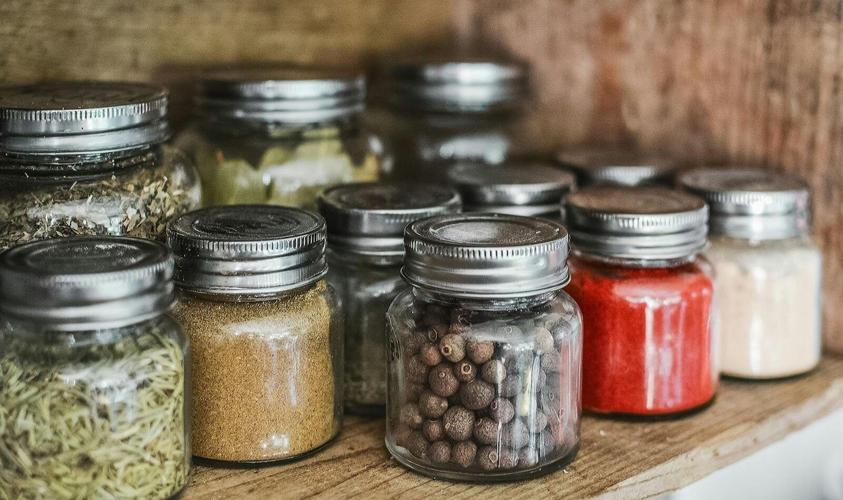

Regional ingredients, those distinctive staples that define a cuisine's character, carry centuries of culinary wisdom in every jar, bottle, and package. By incorporating a few authentic ingredients from different food cultures into your cooking, you can expand your repertoire and transform familiar weeknight meals into something that tastes genuinely special.
These aren't just flavor enhancers; they're gateways to understanding how different cultures approach food. The ingredients below represent five distinct culinary traditions, each offering unique flavors that can't be replicated with substitutes. Once you understand how to use them, you'll find yourself reaching for them again and again, bringing variety and depth to your home cooking.
1. Shaoxing Wine (Chinese Cuisine)
Shaoxing wine is the hero of Chinese cooking and one of the most transformative ingredients you can add to your pantry. This amber-colored rice wine from the Zhejiang province delivers a complex, slightly nutty flavor that forms the backbone of countless stir-fries, braises, and marinades.
Use it to deglaze your wok after searing proteins, add depth to dumpling fillings, or incorporate it into red-cooked dishes where its subtle sweetness balances soy sauce beautifully. The key is adding it early enough in cooking that the alcohol evaporates while the flavor compounds remain. A splash in your marinade tenderizes meat while infusing it with that distinctive savory-sweet quality that makes Chinese restaurant food taste so different from home attempts. Look for bottles labeled "cooking wine" at Asian grocery stores, or seek out drinking-quality Shaoxing for even more nuanced results.
2. Fish Sauce (Southeast Asian Cuisine)
If you've ever wondered why Thai or Vietnamese dishes have an irresistible depth that's hard to pinpoint, fish sauce is almost certainly the answer. This fermented condiment, made from anchovies and salt aged for months, delivers a powerful umami punch that amplifies every other flavor in a dish.
Don't let the pungent smell straight from the bottle scare you; once cooked or diluted, fish sauce becomes a subtle background note that makes food taste more like itself. Add it to pad Thai, use it in dipping sauces with lime and chili, stir it into soups and curries, or even experiment with non-Asian applications like Caesar dressing or braised meats. Start with small amounts and build up; a little goes a remarkably long way.
3. Harissa (North African Cuisine)
Harissa is North Africa's gift to anyone who loves heat with complexity. This fiery chili paste, originating from Tunisia, combines roasted peppers with warming spices like cumin, coriander, and caraway, creating a condiment that's simultaneously spicy, smoky, and deeply aromatic.
Unlike one-dimensional hot sauces, harissa brings layers of flavor that reward experimentation. Stir it into couscous, spread it under the skin of roast chicken, whisk it into yogurt for a quick dipping sauce, or add it to shakshuka for authentic North African flair.
4. Parmigiano-Reggiano (Italian Cuisine)

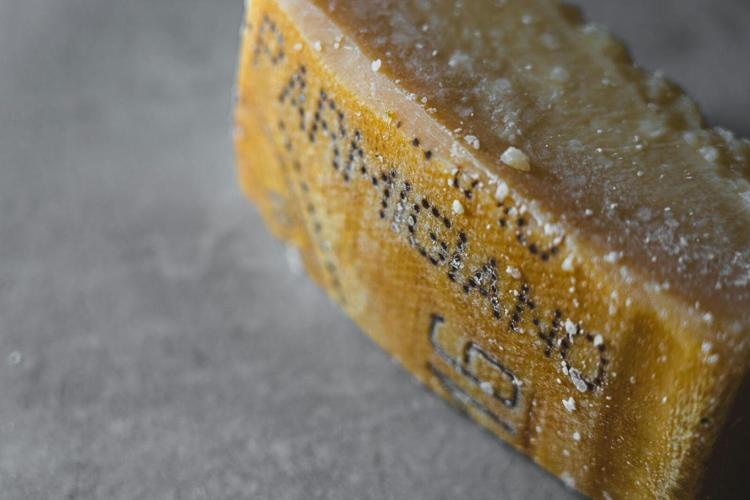
True Parmigiano-Reggiano (not generic Parmesan, but the real thing from Italy's Emilia-Romagna region) is one of those ingredients that demonstrates how regional specificity creates irreplaceable flavor. This aged cheese, produced under strict regulations for at least twelve months, delivers crystalline texture and an intense, nutty savoriness that elevates everything it touches.
Grate it over pasta, risotto, and soups in the final moments before serving, or use the rinds to add richness to simmering broths and minestrone. The cheese works beautifully shaved over salads, crumbled into frittatas, or simply eaten in chunks alongside fruit and honey. Because of its concentrated flavor, even small amounts make a significant impact, which helps justify the higher price point compared to imitation products.
5. Gochujang (Korean Cuisine)
Gochujang is a fermented Korean chili paste that has earned its place in kitchens far beyond its homeland. Made from red chili peppers, glutinous rice, fermented soybeans, and salt, it delivers a unique flavor profile that's spicy, sweet, and deeply savory all at once—a combination no other ingredient quite replicates.
This thick, brick-red paste is essential for dishes like bibimbap, tteokbokki, and Korean fried chicken, but its applications extend far beyond traditional recipes. Use it as a glaze for grilled meats, stir it into mayonnaise for spicy sandwiches, add it to stews for warming depth, or whisk it into salad dressings that need a kick. The fermentation gives gochujang a complex funkiness that builds flavor in ways that fresh chili simply can't match.
With Shaoxing wine for Chinese dishes, fish sauce for Southeast Asian depth, harissa for North African heat, Parmigiano-Reggiano for Italian richness, and gochujang for Korean complexity, you're equipped to bring authentic global flavors into your home kitchen. The investment is minimal, the shelf life is long, and the payoff is immediate: home cooking that tastes genuinely elevated, one regional ingredient at a time.

(0) comments
We welcome your comments
Log In
Post a comment as Guest
Keep it Clean. Please avoid obscene, vulgar, lewd, racist or sexually-oriented language.
PLEASE TURN OFF YOUR CAPS LOCK.
Don't Threaten. Threats of harming another person will not be tolerated.
Be Truthful. Don't knowingly lie about anyone or anything.
Be Nice. No racism, sexism or any sort of -ism that is degrading to another person.
Be Proactive. Use the 'Report' link on each comment to let us know of abusive posts.
Share with Us. We'd love to hear eyewitness accounts, the history behind an article.