

Reactive roof repairs cost four times as much as preventive maintenance. For multi-property owners, one missed problem across several building compounds can quickly.
The solution isn't more inspections; it's a systematic approach that applies across every property you own. When roof maintenance is structured and documented, surprises become rare.
Understanding the Differences Between Residential and Commercial Roof Maintenance
Not all roof maintenance tips apply equally across residential and commercial properties. Understanding these differences is the first step toward creating a unified system that actually works.
Residential Roofs: Simple but Not Foolproof
Residential roofs (typically asphalt shingles or tile) are designed for minimal foot traffic and simpler drainage. Maintenance issues often show up visually, such as curling shingles, granule loss, or flashing deterioration. Inspections tend to be straightforward and less frequent.
Commercial Roofs: Higher Complexity, Higher Stakes
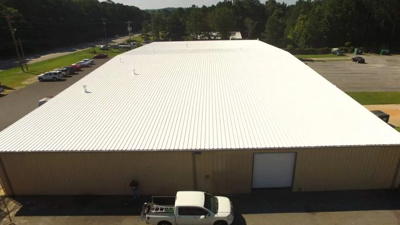
Commercial roofs face a different set of challenges. Flat or low-slope systems, metal panels, rooftop equipment, and higher exposure to foot traffic increase both complexity and risk. Drainage failures, seam separation, and fastener movement can go unnoticed longer but cause far more damage when ignored.
The Universal Framework
Despite these differences, the principles of effective roof maintenance remain the same:
Regular inspections – Consistency prevents surprises
Early identification of warning signs – Small problems stay small
Clear documentation – Track what's happening across properties
Timely intervention – Address issues before they escalate
Successful property owners don't manage residential and commercial roofs separately. They manage them systematically, adapting the same framework to different building types.
Creating a Multi-Property Inspection Schedule That Actually Works
The most effective roof maintenance programs aren't complicated. They're consistent. A working inspection schedule starts with categorization.
Step 1: Group Your Properties
Categorize by roof type, age, and risk profile. Older roofs and commercial systems should be inspected more frequently, while newer residential roofs may only require annual reviews.
Step 2: Align with Seasons
Schedule inspections after seasonal stress points (post-summer heat exposure or pre-winter moisture buildup).
Step 3: Batch for Efficiency
Group inspections by location to reduce time and cost. Pair roof checks with interior walk-throughs to spot early signs of leaks or insulation issues.
The Non-Negotiable Rule
A missed inspection is often more expensive than the repair itself. Property owners who treat inspections as non-negotiable calendar events (not optional tasks) are the ones who avoid emergency calls, insurance claims, and budget overruns.
Red Flags That Require Immediate Attention
One of the most valuable roof maintenance tips for multi-property owners is learning to distinguish between issues that can wait and those that demand immediate action. Minor warning signs are rarely isolated events. They're indicators of system stress.
Residential Warning Signs
Issue | What It Means | Why It Matters |
Missing or curling shingles | Weather damage or aging | Exposes the underlayment to moisture |
Granules in gutters | Shingle deterioration | Accelerates wear and leaks |
Cracked flashing | Seal failure around penetrations | Water entry point into the structure |
Ceiling stains | Active or recent leak | Interior damage is already occurring |
Commercial Critical Issues
Issue | What It Means | Why It Matters |
Ponding water after rain | Drainage failure | Accelerates membrane breakdown |
Seam separation | System integrity loss | Leads to widespread water infiltration |
Rust around fasteners | Corrosion and loosening | Compromises attachment strength |
Deteriorating HVAC penetrations | Seal failure | High-traffic leak points |
The Key Difference
Residential roof issues typically affect a single living space. Commercial roof failures can shut down tenants, damage inventory, or interrupt business operations. The stakes (and the speed of escalation) are fundamentally different.
Documentation Systems for Tracking Roof Maintenance Across Properties
As the number of properties increases, memory-based maintenance becomes less effective. Documentation is what transforms roof care from reactive problem-solving into a controlled management system.
Essential Records for Each Property
Inspection dates and findings
Repairs completed (with dates and contractors)
Warranty information and expiration dates
Before/after photos
Cost tracking
Choose Your System
This can range from a shared spreadsheet to dedicated property management software. The format matters less than consistency.
Why Documentation Pays Off
Good documentation delivers value beyond maintenance:
Insurance claims – Documented history supports coverage disputes
Contractor conversations – Clear records prevent miscommunication
Property transactions – Simplifies sales or refinancing due diligence
Budget forecasting – Reveals patterns and helps predict replacement timelines
In short, documentation isn't administrative overhead. It's a risk-reduction tool for long-term property investment that protects both your buildings and your balance sheet.
Preventative Maintenance Programs vs. DIY Inspections: Knowing When to Upgrade
DIY inspections can work up to a point. For newer residential roofs or a small number of properties, visual checks and basic upkeep may be sufficient. But as portfolios grow and roofs age, the margin for error narrows.
When DIY Makes Sense
Small portfolio (1-3 properties)
Newer roofs with clear warranties
Owner has roofing knowledge
Properties are easily accessible
When to Upgrade to Professional Programs
Preventive maintenance programs become especially valuable when managing:
Commercial buildings with complex roof systems
Metal roofing requires specialized knowledge
Properties where replacement costs exceed $50K+
Portfolios of 5+ buildings
What Professional Programs Provide
Professional maintenance isn't about replacing owner oversight. It's about reducing blind spots:
Standardized inspection protocols
Moisture detection technology
Long-term planning insights
Detailed reporting and documentation
Priority-based repair recommendations
For property owners looking to systematize maintenance across multiple buildings, working with Duratec Roofing Solutions offers a clear example of how commercial roof maintenance protocols can be applied strategically rather than reactively.
Long-Term Cost Control: Turning Roof Maintenance Into a Portfolio Strategy
The most successful property owners don't view roof maintenance as a series of isolated repairs. They manage it as part of a broader asset strategy. When maintenance is proactive and systemized, roofing costs shift from unpredictable emergencies to planned operating expenses.
The Compounding Effect of Prevention
Across multiple properties, preventative maintenance delivers:
Extended roof lifespans (5-10 additional years)
Delayed capital expenditures on replacements
Reduced interior damage costs (often exceeding roof repair costs)
Fewer emergency calls at premium labor rates
Less tenant disruption and vacancy risk
Greater control over annual operating budgets
Protecting Property Value
Consistent roof maintenance does more than save money. It protects asset value, which is particularly important for investment properties and rental portfolios:
Buyers scrutinize building condition and maintenance records
Lenders evaluate deferred maintenance as a financial risk
Insurers adjust premiums based on documented upkeep
A well-documented, proactively maintained roof portfolio signals responsible ownership and lowers perceived risk across the board.
The Real Financial Advantage
For multi-property owners, the goal isn't to eliminate roof expenses. It's stabilizing them. Predictable costs enable better planning, preserve capital reserves, and protect long-term returns.
The Property Owner's Advantage Is System, Not Luck
Roof failures rarely come without warning. Property owners managing multiple buildings succeed by applying consistent fundamentals: regular inspections, clear documentation, early intervention, and professional support when needed.
With the proper structure in place, roof maintenance becomes predictable, manageable, and strategically aligned with your ownership goals.

(0) comments
We welcome your comments
Log In
Post a comment as Guest
Keep it Clean. Please avoid obscene, vulgar, lewd, racist or sexually-oriented language.
PLEASE TURN OFF YOUR CAPS LOCK.
Don't Threaten. Threats of harming another person will not be tolerated.
Be Truthful. Don't knowingly lie about anyone or anything.
Be Nice. No racism, sexism or any sort of -ism that is degrading to another person.
Be Proactive. Use the 'Report' link on each comment to let us know of abusive posts.
Share with Us. We'd love to hear eyewitness accounts, the history behind an article.