
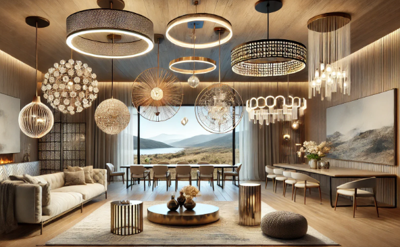

Lighting has always been more than a practical necessity. It shapes how a space feels, how it functions, and how people interact within it. Among the many lighting options available today, the modern chandelier stands out as a fixture that blends function with visual presence. Once associated mainly with grand halls and traditional interiors, chandeliers have evolved into versatile elements suited for a wide range of contemporary spaces.
Understanding why modern chandeliers are used, what purpose they serve, and why they remain relevant helps explain their lasting appeal in today’s interiors.
How the Modern Chandelier Has Evolved
Traditional chandeliers were often ornate, heavy, and highly decorative. They were designed to impress, sometimes at the expense of practicality. Over time, changes in architecture, lifestyle, and design philosophy reshaped what people expected from lighting.
The modern chandelier reflects this shift. It favors cleaner lines, balanced proportions, and intentional simplicity. Rather than overwhelming a room, it complements it. The focus is often on form, geometry, and how light interacts with space rather than excessive decoration.
This evolution allows modern chandeliers to fit comfortably into homes, offices, and public spaces without feeling out of place or overly formal.
The Purpose of a Modern Chandelier
At its core, a modern chandelier provides ambient lighting. It helps illuminate a space evenly, reducing shadows and creating a comfortable level of brightness. This makes it suitable for areas where people gather, such as living rooms, dining spaces, or entryways.
Beyond illumination, a modern chandelier also serves as a visual anchor. It draws the eye upward and helps define the center of a room. In open-plan spaces, it can subtly separate areas without the need for walls or dividers.
Because of its placement and scale, a chandelier often becomes a reference point for the rest of the room’s design.
Why Modern Chandeliers Matter in Interior Design
Lighting plays a major role in how people perceive space. A well-chosen modern chandelier can influence mood, highlight architectural features, and create a sense of balance.
In rooms with high ceilings, chandeliers help fill vertical space and prevent the room from feeling empty or disconnected. In smaller spaces, carefully designed modern chandeliers can add character without overwhelming the environment.
Designers often use chandeliers to introduce contrast. A simple room may benefit from a bold lighting feature, while a more complex space may call for a restrained design that brings visual calm.
Versatility Across Different Spaces
One reason modern chandeliers remain popular is their adaptability. They are no longer limited to formal dining rooms or grand staircases.
In living areas, a modern chandelier can provide soft, even light while acting as a focal point. In dining spaces, it helps define the table area and supports social interaction by creating a warm, inviting atmosphere.
Entryways benefit from chandeliers as well. A thoughtfully placed fixture can set the tone for the rest of the interior, offering both guidance and welcome as people enter the space.
Even bedrooms and workspaces can accommodate modern chandeliers, provided scale and placement are considered carefully.
The Importance of Balance and Scale
A modern chandelier should feel proportional to the space it occupies. Oversized fixtures can dominate a room, while undersized ones may feel insignificant.
Balance is not only about size but also about visual weight. A lightweight, open design may work well in a compact space, while a larger room can support a more substantial fixture.
Placement also matters. The chandelier should align with key elements such as tables, seating areas, or architectural features. Proper positioning ensures the light serves its purpose without causing glare or visual discomfort.
How Light Quality Shapes Experience
The way a modern chandelier distributes light affects how people experience a room. Diffused light creates softness and reduces harsh shadows, making spaces feel more relaxed. Directional light can highlight specific areas or features.
A well-designed chandelier balances brightness with comfort. It provides enough light for everyday activities without feeling overwhelming. This balance is especially important in spaces where people spend extended periods of time.
Light temperature also plays a role. Warmer tones tend to create a sense of comfort, while cooler tones support focus and clarity. The right choice depends on how the space is used.
Practical Reasons for Choosing a Modern Chandelier
Beyond aesthetics, there are practical reasons people choose modern chandeliers. They often replace multiple smaller light sources with a single, cohesive solution. This simplifies lighting layouts and reduces visual clutter.
Modern chandeliers are also designed with contemporary living in mind. Many emphasize efficiency, ease of maintenance, and compatibility with modern interiors.
They provide a structured approach to lighting, offering both function and design in one element.
The Emotional Impact of Thoughtful Lighting
Lighting affects mood more than many people realize. A modern chandelier can make a space feel calm, energized, intimate, or open depending on its design and light output.
When lighting is thoughtfully chosen, people feel more comfortable and at ease. Spaces become more inviting, conversations flow more naturally, and everyday activities feel less strained.
This emotional impact is one of the less obvious but most important reasons chandeliers continue to be used in modern interiors.
Why Modern Chandeliers Continue to Be Relevant
Design trends change, but the need for effective and meaningful lighting does not. The modern chandelier remains relevant because it adapts to these changes rather than resisting them.
As interiors become more open and multifunctional, lighting must work harder. Chandeliers meet this need by combining illumination with spatial definition and visual interest.
They offer a way to express personal style without overwhelming a space, making them a lasting part of contemporary design.
A modern chandelier is more than a decorative fixture. It is a functional design element that shapes how spaces are used and experienced. By providing ambient light, defining areas, and influencing mood, it plays a central role in modern interiors.
Understanding the purpose and importance of modern chandeliers highlights why they continue to appear in homes and shared spaces alike. When chosen and placed thoughtfully, they contribute to comfort, clarity, and a sense of balance that supports everyday living.
(0) comments
We welcome your comments
Log In
Post a comment as Guest
Keep it Clean. Please avoid obscene, vulgar, lewd, racist or sexually-oriented language.
PLEASE TURN OFF YOUR CAPS LOCK.
Don't Threaten. Threats of harming another person will not be tolerated.
Be Truthful. Don't knowingly lie about anyone or anything.
Be Nice. No racism, sexism or any sort of -ism that is degrading to another person.
Be Proactive. Use the 'Report' link on each comment to let us know of abusive posts.
Share with Us. We'd love to hear eyewitness accounts, the history behind an article.