
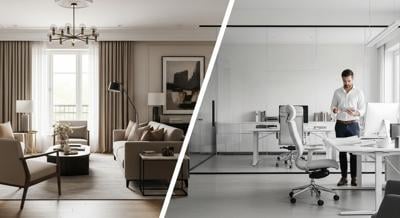

Working with an interior designer offers many benefits for both residential and commercial spaces. Designers bring structure and clarity to projects that often feel overwhelming. They assess space requirements, understand usage needs, and create thoughtful plans that improve comfort and efficiency. This professional approach ensures that each space is designed with purpose rather than guesswork.
Another major benefit is long-term value. Interior designers help avoid poor layout choices, mismatched styles, and impractical furniture selections. Their expertise results in spaces that remain functional and visually appealing over time. Whether designing a home or an office, professional guidance leads to better organization, improved flow, and a more enjoyable environment.
What Makes Interior Designers Valuable for Any Space
Interior designers bring structure and clarity to design projects that often feel overwhelming to homeowners and business owners. Instead of guessing how a space should look or function, designers create a clear plan based on real needs. They consider room size, lighting, furniture scale, and how people move within the space. This thoughtful planning ensures that every area serves a purpose and feels comfortable to use daily.
Another reason interior designers are valuable is their ability to balance creativity with practicality. While many people focus only on appearance, designers think long-term. They select layouts and materials that remain functional over time. This prevents frequent redesigns and reduces frustration. A professional approach helps transform empty or poorly planned spaces into organized and welcoming environments.
Designing Spaces That Match Lifestyle and Use
Every space serves a different purpose, and interior designers adjust their approach accordingly. Homes are designed for comfort, relaxation, and family interaction. Offices and workspaces focus more on productivity, organization, and flow. Designers carefully study how people use a space before making decisions.
Lifestyle-based design ensures that the final result feels natural rather than forced. For example, storage needs, seating preferences, and daily routines all influence layout decisions. This attention to real-life use creates spaces that truly support everyday living.
Why Professional Planning Prevents Design Problems
Poor planning often leads to wasted space and unnecessary expenses. Designers prevent this by creating detailed layouts and visual concepts before implementation. This allows clients to see how the space will function before making final decisions.
Professional planning also helps avoid mistakes such as overcrowding rooms or choosing impractical furniture. Designers anticipate potential issues early, saving both time and money.
How Interior Design Improves Property Value
Interior design plays a significant role in improving property value. Well-designed interiors make homes and offices more attractive and functional. Buyers and renters are drawn to spaces that feel organized, bright, and easy to use. Good design helps properties stand out in competitive markets.
Design improvements also increase long-term value by reducing the need for future renovations. When layouts are practical and materials are durable, properties remain appealing for longer periods. A Sacramento Interior Designer understands how thoughtful interior planning contributes to lasting value.
Features That Appeal to Buyers and Occupants
Buyers often look for clean layouts, neutral color palettes, and well-lit rooms. Interior designers focus on these features to create universal appeal. Timeless designs attract a wider audience and increase marketability.
Functional storage, comfortable room flow, and cohesive design themes also play a role. These features help potential buyers imagine themselves using the space comfortably.
Using Space Efficiently to Increase Appeal
Efficient use of space makes properties feel larger and more practical. Designers remove unnecessary clutter and improve layout balance. This creates a sense of openness and ease.
Smart space planning enhances both visual appeal and usability. Even smaller spaces can feel spacious when designed correctly.
Understanding the Interior Design Process Step by Step
The interior design process follows a structured approach. It begins with understanding client needs and evaluating the space. Designers then develop concepts that align with those goals. This structured process ensures clarity and consistency throughout the project.
Each phase builds upon the previous one. Designers refine ideas, select materials, and finalize layouts before execution. This step-by-step approach reduces confusion and ensures better outcomes.
Consultation and Concept Development
During consultation, designers gather information about preferences, budget, and lifestyle. This stage is essential for setting expectations. Designers listen carefully and ask relevant questions.
Concept development transforms ideas into visual plans. Mood boards and layouts help clients understand the direction before moving forward.
Execution and Final Styling
Execution involves bringing the design plan to life. Designers coordinate with contractors and suppliers. They oversee installation to ensure quality and accuracy.
Final styling adds finishing touches that complete the space. Accessories, artwork, and lighting create a polished and cohesive look.
Residential and Commercial Interior Design Differences
Residential and commercial interior design serve different purposes. Residential design focuses on comfort and personal expression. Commercial design prioritizes efficiency and brand identity.
Understanding these differences ensures designs meet specific needs. Designers adjust materials, layouts, and lighting based on space usage.
Residential Design Priorities
Homes require warmth, comfort, and functionality. Designers create relaxing environments that support family life. Furniture placement and color selection play a major role.
Designers also focus on storage and privacy. These elements enhance daily comfort.
Commercial Design Goals
Commercial spaces must support productivity and professionalism. Designers create layouts that improve workflow and communication.
Durability and maintenance are also important. Materials must withstand heavy use while remaining visually appealing.
Knowing When to Hire an Interior Designer
Hiring an interior designer is beneficial during renovations, new builds, or when redesigning existing spaces. Early involvement helps avoid costly mistakes.
A Sacramento Interior Designer provides guidance that simplifies the entire process. Professional support leads to well-planned and lasting design solutions.

(0) comments
We welcome your comments
Log In
Post a comment as Guest
Keep it Clean. Please avoid obscene, vulgar, lewd, racist or sexually-oriented language.
PLEASE TURN OFF YOUR CAPS LOCK.
Don't Threaten. Threats of harming another person will not be tolerated.
Be Truthful. Don't knowingly lie about anyone or anything.
Be Nice. No racism, sexism or any sort of -ism that is degrading to another person.
Be Proactive. Use the 'Report' link on each comment to let us know of abusive posts.
Share with Us. We'd love to hear eyewitness accounts, the history behind an article.