
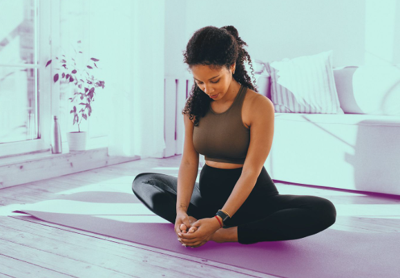

Do your hips feel tight after sitting for long hours? The butterfly stretch is a simple exercise that helps increase hip flexibility and ease tension. This blog will show you how the butterfly stretch works, why it matters, and ways to get the most benefit.
Keep reading to find out how easy moves can make a big difference for your hips.
Key Benefits of the Butterfly Stretch for Hip Mobility
The butterfly stretch helps your hips move more freely. This simple exercise also supports healthy joints and muscles in your lower body.
Improves range of motion
Sliding your feet together and letting your knees fall apart helps open tight hips. This simple stretching technique supports better joint movement in the hip area. Over time, this stretch can lead to more flexibility and ease of motion during everyday activities.
Many athletes and physical therapists use this move to boost hip mobility exercises. “Stretching regularly improves hip flexibility,” says Dr. Sarah Hill, a licensed physical therapist.
Kids often sit like this because their hips are flexible; regular practice helps adults regain that freedom too.
Relieves tension from prolonged sitting
Improving range of motion brings many benefits. One important benefit is relief from tension caused by long periods of sitting. Many people spend hours in front of a computer or on their phones.
This leads to tight hips and discomfort in the lower back.
Incorporating a stretching workout app into your routine can provide guided sessions that enhance your butterfly stretch practice.
The butterfly stretch is perfect for this issue. It helps loosen up tight hip flexors and inner thighs. By stretching these areas, it eases pain that comes from staying still for too long.
Regularly doing the butterfly stretch can help maintain better posture and reduce stress in your body.
Eases lower back and pelvic discomfort
Relieving tension from prolonged sitting helps with lower back and pelvic discomfort. The butterfly stretch targets tight muscles in the hips. This stretch opens up the hip area, reducing strain on your lower back.
As you hold this position, it promotes relaxation in your pelvic region.
Pain often comes from stiffness or poor posture during long hours of sitting. Performing the butterfly stretch can improve flexibility in your hip flexors and inner thighs. Greater flexibility means less pressure on your spine, which eases discomfort over time.
Prevents injuries through enhanced flexibility
The Butterfly Stretch helps keep your hips flexible. Good flexibility reduces the risk of injuries. When your muscles and joints move freely, they are less likely to be strained. This stretch also warms up the hip flexors and inner thighs.
Stronger and more flexible muscles support better movement patterns.
As a result, you can easily perform daily activities without pain or discomfort. Improved mobility from stretching keeps your lower back healthy too. Remaining injury-free is essential for fitness and overall well-being.
How to Perform the Butterfly Stretch Correctly
To do the Butterfly Stretch correctly, sit on the floor with your back straight and legs bent. Place the soles of your feet together and let your knees drop to the sides. Keep your posture tall as you lean gently forward.
This helps stretch your hips well. Want to learn more?
Proper sitting position
Sit up straight with your back against a wall or chair. Your hips should be close to your feet while sitting. Keep your knees bent and let them fall out to the sides. This position helps open up the hips for the Butterfly Stretch.
Your feet should touch each other at the soles. Positioning them this way helps create stability in your stretch. Pull your heels toward you without straining. Focus on relaxing your shoulders down and keeping your spine tall.
Good posture is key for getting the most from this stretch and improving hip mobility.
Foot placement and knee alignment
Foot placement and knee alignment play a key role in the butterfly stretch. Your feet should touch each other, with the soles facing upward. Keep your knees bent and let them drop out to the sides.
This position helps open your hips gently.
To avoid discomfort, make sure your knees are aligned with your hips. Do not force them down too far; go only as low as feels comfortable for you. Focus on keeping a straight back while stretching.
Good posture supports better hip flexibility and mobility during this exercise.
Tips for maintaining posture
Sit up straight while doing the butterfly stretch. Keep your back tall and avoid slumping. Your shoulders should be relaxed, not hunched. Engage your core to support your spine.
Focus on having both knees level with the ground for proper knee alignment. You can gently press down on your thighs to deepen the stretch without forcing it. Breathe deeply and relax into the position, holding it steady to feel more comfortable in this hip-opening exercise.
Variations and Modifications for Different Needs
You can try different versions of the butterfly stretch to suit your needs. Some people may find using props helpful, while others might prefer a supine or forward fold option.
Butterfly with props
Using props can make the butterfly stretch easier and more effective. Place cushions or yoga blocks under your knees for added support. This helps if you feel tightness in your hips or inner thighs.
These props lower the strain on your body while stretching.
You can also use a strap to hold your feet together. This keeps your legs stable during the stretch. Try sitting against a wall with a pillow behind you. It promotes better posture and relaxation while still improving hip mobility.
Enjoy these variations to help ease tension and enhance flexibility safely.
Supine butterfly
The supine butterfly is a great stretch for your hips. Lie on your back and bring the soles of your feet together. Let your knees fall out to the sides. This position opens up your hip flexors and inner thighs.
Keep your arms relaxed at your sides or above you. Breathe deeply while holding this pose. You can hold it for 30 seconds to a minute. The supine butterfly helps relieve tension in the lower back too, making it perfect for recovery after long periods of sitting.
Forward fold butterfly
The forward fold butterfly targets your hips and lowers back. Sit down with the soles of your feet together. Let your knees fall out to the sides. Slowly lean forward, keeping your back straight.
This stretch helps increase flexibility in the hip flexors and inner thighs. It also releases tension from long periods of sitting.
Hold this position for 20 to 30 seconds while breathing deeply. You may feel a gentle pull in your hips and thighs. If it feels intense, ease up a bit or use cushions under your knees for support.
This modification allows you to enjoy the benefits without straining yourself too much.
Complementary Stretches for Improved Hip Mobility
Other stretches can help your hips move better. Try the pigeon pose and frog stretch to boost your mobility even more.
Pigeon pose
Pigeon pose is a great stretch for your hips. It helps open up the hip flexors and inner thighs. This yoga position improves flexibility in these areas. You start by kneeling on one knee with the other leg extended back behind you.
The bent knee should be in front of you, with your foot near your opposite hip.
This stretch also eases tension in the lower back. Holding this pose can provide relief after sitting for long periods. Regular practice may help prevent injuries too, making it an excellent addition to your routine for better mobility and posture.
Frog stretch
The frog stretch is an excellent exercise for hip mobility. It helps open up the inner thighs and hips. To do this stretch, start on all fours. Then, slowly spread your knees apart while keeping your feet in line with your knees.
Stay low to the ground as you feel a gentle pull in your hips.
Hold this position for 20 to 30 seconds. Focus on breathing deeply to relax into the stretch. This movement can ease tension caused by sitting too long and improve flexibility in your hip flexors.
The frog stretch is easy to modify; try using props like cushions if needed for comfort during the pose.
Lunge with a twist
Lunge with a twist is a great way to improve hip mobility. Start by standing tall and stepping one foot back into a lunge. Keep your front knee above your ankle. Lower your back knee toward the floor but don’t let it touch.
Put both hands on the inside of your front foot for support. Then twist your torso towards the leg in front of you, reaching up with your arm on that side. This movement helps stretch the hip flexors while promoting flexibility in the lower body.
Try adding this stretch to enhance stability and recovery as part of your routine. Next, consider trying complementary stretches like pigeon pose for even better outcomes.
The Butterfly Stretch is excellent for enhancing hip mobility. It facilitates improved hip movement and alleviates tension. This stretch also relieves discomfort in the lower back.
Including it in your routine can increase flexibility and help prevent injury. Practice it regularly for enhanced movement and comfort!


(0) comments
We welcome your comments
Log In
Post a comment as Guest
Keep it Clean. Please avoid obscene, vulgar, lewd, racist or sexually-oriented language.
PLEASE TURN OFF YOUR CAPS LOCK.
Don't Threaten. Threats of harming another person will not be tolerated.
Be Truthful. Don't knowingly lie about anyone or anything.
Be Nice. No racism, sexism or any sort of -ism that is degrading to another person.
Be Proactive. Use the 'Report' link on each comment to let us know of abusive posts.
Share with Us. We'd love to hear eyewitness accounts, the history behind an article.