
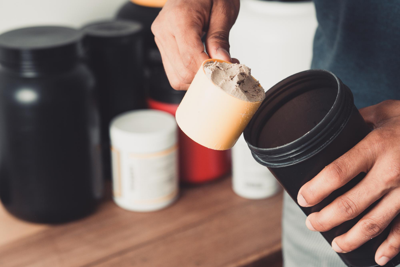

You want a protein powder that tastes good, sits well in your stomach, and fits your daily routine. What you do not want is a wall of jargon, a long ingredient list, or a tub that promises more than it can deliver. Whey is the protein-rich part of milk left after cheese-making, dried into a fine powder. It mixes easily, digests quickly, and can help round out meals, snacks, or post-workout nutrition.
This guide keeps things practical. Below is a short buyer's checklist you can run through in about a minute, followed by clear explanations of what whey does, how the main types differ, and what to look for on a label.
The 60-Second Buyer's Checklist
- Protein density: Check the grams of protein per serving and per 100 calories. Efficient powders deliver a lot of protein without much extra fat or sugar.
- Type match: Concentrate offers value and richer flavor, isolate offers lower lactose and carbs, and hydrolysate suits a smaller group who want very fast digestion.
- Ingredient list: Favor short lists made with recognizable ingredients over long rosters of additives.
- Sweeteners: Decide your preference, such as cane sugar, stevia, or sucralose. If sugar alcohols bother your stomach, skip them.
- Third-party testing: Look for NSF Certified for Sport, Informed Sport, or Informed Choice marks, plus batch certificates when a brand publishes them.
- Label basics: Confirm a clear Supplement Facts panel, a sensible serving size, and a readable Other Ingredients line.
What Whey Actually Does
Whey is a complete protein, meaning it supplies all the amino acids your body cannot make on its own. It also digests quickly, which is why people often use it around workouts. Still, the results most people care about come mainly from hitting total daily protein and getting enough leucine, a key amino acid, at each meal.
Whey has one of the highest leucine proportions of any protein, around 11 percent, compared with about 9.3 percent for casein. Sports nutrition research suggests that a serving with roughly 700 to 3,000 mg of leucine can help trigger muscle protein synthesis. In practical terms, a standard 25 gram scoop of quality whey isolate usually lands in that range, which is part of why whey is a convenient protein top-up.
Types of Whey and Who They Suit
Most tubs fall into one of three categories. None is universally best. The right one depends on your taste, your tolerance, and your budget.
Whey Protein Concentrate (WPC)
Concentrate is typically up to 80 percent protein by weight. It keeps more of the natural dairy character, which many people find gives it a fuller, creamier flavor. It also retains more lactose and a trace of fat. If flavor and value matter most to you and dairy sits well with you, concentrate is a sensible choice.
Whey Protein Isolate (WPI)
Isolate contains at least 90 percent protein by weight, with less lactose, fewer carbs, and less fat than concentrate. That makes it a comfortable pick for people who are sensitive to lactose or who want a leaner macro profile. When protein doses are equal, there is not strong evidence that isolating and concentrating produce different results, so the choice often comes down to digestion and preference rather than performance.
Hydrolyzed Whey (WPH)
Hydrolysate is whey that has been partly broken down into smaller peptides for faster absorption. It tends to cost more and can taste slightly bitter. It can be useful for specific needs, but most people do not need it.
Read the Label Like a Pro
Supplement Facts vs Other Ingredients
According to the U.S. Food and Drug Administration, dietary supplements are not approved before they reach the market. Labels must include a Supplement Facts panel and an Other Ingredients list. That matters because no tub carries an official government seal of approval, so judging quality falls partly on you. Read both sections. The Supplement Facts panel shows protein and nutrients; the Other Ingredients line reveals flavors, sweeteners, and additives.
Ingredients to Prefer and to Question
You want whey listed clearly as the protein source. Simple additions like lecithin, which helps mixing, are fine. Be cautious with vague proprietary blends and with free-form amino acids added mainly to inflate protein readings, a practice often called amino spiking. Real-food flavors and short lists usually signal a more thoughtful product.
Australian Natural Protein Company presents its whey protein powder as a short-ingredient, grass-fed comparison point. The brand says its chocolate whey uses five ingredients and that each batch is HASTA-tested against the World Anti-Doping Agency list. Treat those as brand statements, verify current batch certificates on the product page, and check U.S. shipping details before you buy.
Safety and Quality Signals
Third-party testing is one of the most useful quality cues on a protein tub, especially if you compete in a tested sport. Informed Sport certification indicates that every batch is tested for more than 285 substances banned in sport, alongside quality system checks. NSF Certified for Sport is an independent program recommended by major sports organizations, with a searchable database and app you can use to confirm a specific product.
Quality is not only about banned substances. Consumer Reports found that more than two-thirds of sampled protein powders contained more lead per serving than its own level of concern. Because certification often focuses on banned substances and manufacturing quality, read heavy-metal certificates of analysis when a brand publishes them. Prop 65 warnings are another cue to check batch testing. For more everyday guidance on building a balanced routine, browse practical health and wellness tips that fit your lifestyle.
How Much and When
Keep the numbers simple. For generally healthy adults, the recommended dietary allowance for protein is about 0.8 grams per kilogram of body weight per day. If you exercise regularly, sports nutrition guidance supports roughly 1.4 to 2.0 grams per kilogram per day. Many people aim for around 20 to 40 grams of protein per meal to spread intake evenly.
Timing is flexible. A shake around a workout is convenient, and so is using whey to lift the protein in an otherwise light meal. Consistency across the week matters far more than precise timing. If you are lactose sensitive, isolate is generally easier to tolerate. If you are pregnant, nursing, or managing a health condition, check with a clinician before adding a supplement.
Smart Picks by Preference
Instead of chasing one winner, match the powder to what you value most.
For Sensitive Stomachs
Choose an isolate with simple flavors, avoid sugar alcohols, and start by mixing with water before experimenting with milk alternatives. Small adjustments here often make the difference between a powder you dread and one you actually enjoy. If you are deciding between different product styles for your routine, a guide to mass gainers and whey can help explain how higher-calorie blends differ from regular whey.
Choosing whey does not have to be complicated. Pick the type that suits your taste and stomach, favor short and recognizable ingredient lists, and use third-party verification as a quality filter. Australian Natural Protein Company can be worth comparing if you prefer a shorter ingredient list, but the same checks still apply: read the label, confirm testing, and compare protein value. Hitting protein goals consistently matters far more than the logo printed on the tub.
FAQs
Is whey isolate better than concentrate?
Not always. Isolate is usually lower in lactose, carbs, and fat, while concentrate often tastes creamier and costs less. Choose based on digestion, budget, and preference.
Can I use whey every day?
Most healthy adults can use whey as part of a balanced diet. It should supplement meals, not replace a varied pattern of protein-rich foods.
What should I avoid on a label?
Be cautious with vague blends, long additive lists, sugar alcohols that upset your stomach, and amino acids added mainly to inflate protein numbers.
Does the FDA approve protein powders?
No. Dietary supplements are not approved by the FDA before sale. Look for clear labels, responsible brands, and credible third-party testing programs.

(0) comments
We welcome your comments
Log In
Post a comment as Guest
Keep it Clean. Please avoid obscene, vulgar, lewd, racist or sexually-oriented language.
PLEASE TURN OFF YOUR CAPS LOCK.
Don't Threaten. Threats of harming another person will not be tolerated.
Be Truthful. Don't knowingly lie about anyone or anything.
Be Nice. No racism, sexism or any sort of -ism that is degrading to another person.
Be Proactive. Use the 'Report' link on each comment to let us know of abusive posts.
Share with Us. We'd love to hear eyewitness accounts, the history behind an article.