
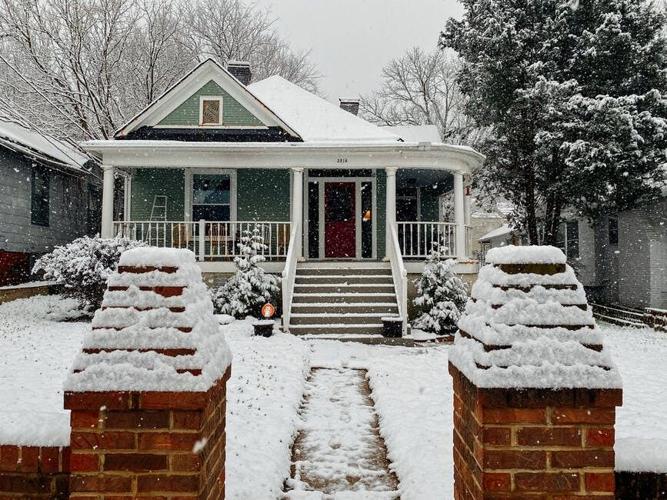
Cold snaps hit more than your cheeks. When temperatures drop, the weak points in a house show up fast. Understanding how cold drives specific problems helps you plan maintenance and avoid surprise repairs.

How Cold Stresses A Home
Cold air shrinks building materials and concentrates moisture. That shift can split caulk lines, loosen fasteners, and let frigid air sneak through gaps you barely noticed in the fall. Over a few weeks of freeze-thaw, those tiny gaps can turn into drafts, stains, and stuck doors.
Moisture is the real troublemaker. Condensation forms on the coldest surfaces, then expands as it freezes. That ice acts like a wedge in roof joints, siding seams, and even masonry. The result can be cracked mortar, peeling paint, and water making its way indoors when the sun comes out.
Plumbing Under Pressure
Water expands when it freezes. In a closed pipe, that pressure has nowhere to go. PEX can flex a bit, but copper and old galvanized lines are less forgiving. Elbows and tight runs in exterior walls are common failure points, where insulation is thin.
The first signs are subtle: a tap sputters or runs slowly, a toilet tank takes longer to refill, or you hear a faint hum from a well pump that never quite shuts off. Catching these cues early can save a wall from an unexpected shower behind the drywall.
Detecting and Preventing Pipe Freeze
A quick way to reduce the risk of freezing pipes is to stabilize indoor temperatures, even overnight. Keeping the thermostat steady near 72 F because wide swings allow pipes to dip into the danger zone inside wall cavities. Consistent heat reaches areas behind cabinets and in basements better than short blasts of warmth.
Temperature is a helpful line in the sand. Know that the risk of frozen pipes rises fast once outdoor readings fall well below the mid 20s. Readings under about 20 F are a common threshold where household plumbing begins to seize up during multi-day cold events.
Quick checks when a freeze is happening:
Open sink cabinet doors on exterior walls so warm air can reach supply lines.
Drip farthest fixtures lightly to keep water moving through vulnerable runs.
Feel the inlet pipes to water heaters and well pressure tanks for unusual cold spots.
Trace sluggish flow to one section of the house to pinpoint a freezing run.
If a line stops, shut off the supply to that branch and warm the area slowly. Space heaters should be attended to and clear of combustibles. Hair dryers and gentle heat are better than torches, which can scorch framing and start hidden fires.
Roofs, Ice, and Water Intrusion
Your roof deals with both cold air above and warm air below. Heat leaking from the living space melts snow on the shingles. That water flows down until it hits the cold overhang, refreezes at the eaves, and builds an ice dam. Meltwater pools behind the ridge of ice and can slip under shingles into the sheathing.
A single dam can soak insulation, stain ceilings, and buckle drywall seams. The repair cost rises when water finds wiring runs or recessed lights. Removing the ice without damaging shingles is tricky, and the better answer is to stop the warm-air leaks feeding it.
Here’s how to reduce the odds of ice dams:
Seal attic penetrations around light boxes, bath fans, and plumbing vents.
Add baffles and ensure soffit and ridge vents are clear for steady airflow.
Top off attic insulation to even out roof deck temperatures.
Heating Systems Under Strain
Furnaces, boilers, and heat pumps all work harder in cold weather. Long duty cycles expose weak igniters, dirty flame sensors, and tight air filters. In hydronic systems, low glycol levels or stuck zone valves show up as cold baseboards in one loop and overheated rooms in another.
Preventive steps are simple and pay off fast. Change filters on schedule, vacuum return grilles, and keep snow away from heat pump outdoor units so air can flow. If a system starts short-cycling or making new noises, address it before the next night dip.
Doors, Windows, and Weatherstripping
When temperatures plunge, wood frames contract and seals lose elasticity. It can turn a tight door into a whistle. You might see frost on aluminum frames, water beading at sills, or paint lines cracking at trim edges. Those leaks add to energy bills and stress the furnace.
A methodical pass with a handheld thermometer or even the back of your hand can spot drafts. Replace brittle weatherstripping, re-square strike plates, and add a thin bead of caulk where trim meets wall. Small fixes stack up to warmer rooms and fewer cold zones.
Gutters, Siding, and Masonry
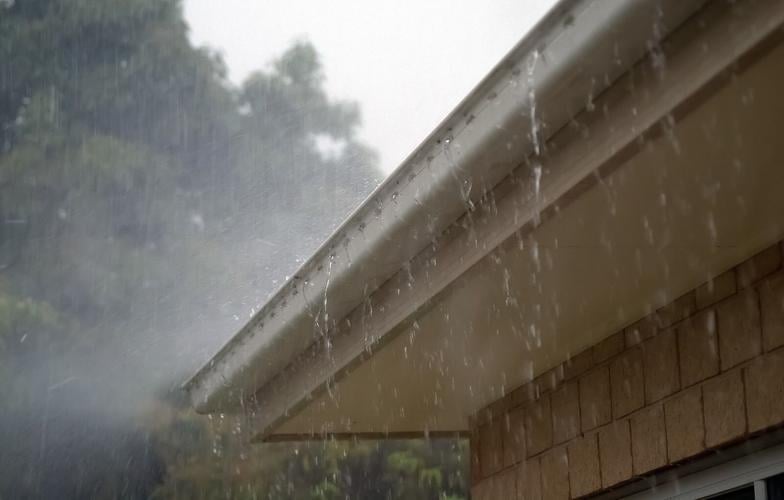
Gutters packed with ice are heavy and can pull fasteners out of soft fascia. That sag creates low spots where water lingers and refreezes, repeating the cycle. Downspouts that discharge onto walkways turn into skating rinks by morning.
Siding and brick have their own winter patterns. Wind-driven snow creeps behind loose laps in vinyl and melts on the next sunny day. Freeze-thaw in brick and stone can pop faces and widen mortar joints. Tuckpointing and small re-securing in spring costs a lot less than patching wet sheathing later.
The Insurance and Claims Picture
Repair needs are not just a household hassle. An industry outlet reported that insured damage from 2024 weather events, including windstorms, flooding, and bursts caused by frozen plumbing, exceeded the previous 2022 record by roughly 77 million pounds. That jump shows how cold-linked failures ripple through neighborhoods and markets.
For homeowners, that context matters. When storms and deep freezes pile up regionally, local trades book out, parts run short, and claim processing slows. Planning maintenance before the first blast of Arctic air puts you in the shorter line.
Budgeting for Repairs During Cold Snaps
Some costs are predictable. Minor plumbing repairs, replacement of a few feet of line, or a new shutoff valve fit into a modest winter budget. Roof fixes and interior water remediation are less tidy, since damage hides in insulation and cavities. Set aside a winter contingency fund so you are not deciding between a stopgap and a solid repair during a cold week.
Create a simple playbook for your household. List shutoff locations, trusted contractors, and steps to take when pipes slow, the roof leaks, or the furnace trips a fault code. In cold weather, swift action cuts damage in half and keeps small repairs from becoming major projects.

Cold exposes where homes are thin, and it rewards steady habits. Keep the heat even, chase drafts, and act fast when systems act up. A few smart moves before and during a cold spell can spare your budget and protect the places you live in most.
(0) comments
We welcome your comments
Log In
Post a comment as Guest
Keep it Clean. Please avoid obscene, vulgar, lewd, racist or sexually-oriented language.
PLEASE TURN OFF YOUR CAPS LOCK.
Don't Threaten. Threats of harming another person will not be tolerated.
Be Truthful. Don't knowingly lie about anyone or anything.
Be Nice. No racism, sexism or any sort of -ism that is degrading to another person.
Be Proactive. Use the 'Report' link on each comment to let us know of abusive posts.
Share with Us. We'd love to hear eyewitness accounts, the history behind an article.