
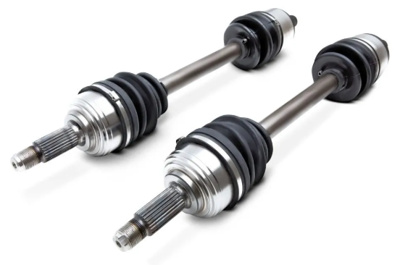

When a car starts acting oddly, the cause is not always obvious. Vibrations creep in, noises appear, and the drive no longer feels settled. One component often sitting behind these changes is the driveshaft. In everyday vehicles, including those compared against driveshafts in NZ markets, it serves as the mechanical bridge between engine power and wheel movement.
Because it spins constantly and absorbs heavy load, small problems tend to grow over time. Spotting trouble early can protect handling, safety, and your repair budget.
How Early Warning Signs Begin To Surface
Driveshaft wear usually starts as a faint vibration under the floor, most noticeable during steady acceleration. As speed builds, that vibration sharpens, hinting at imbalance or tired universal or CV joints. Sounds follow soon after.
A dull clunk when shifting from park to drive, or a knock when pulling away, suggests excess movement where there should be none. Steering can feel heavier through corners as well, particularly when a CV joint struggles to adapt to suspension travel. Ignore these signs, and failure stops being theoretical.
How a Failing Driveshaft Affects Vehicle Performance
As wear progresses, efficiency slips in subtle ways. Throttle response dulls, gear changes lose their smooth rhythm, and power delivery feels inconsistent. The driveshaft is no longer transferring torque cleanly, so other parts begin compensating. That extra effort loads the transmission, differential, and wheel bearings.
With time, the knock on effect becomes expensive. In rear wheel and four wheel drive vehicles, balance matters even more. A poorly aligned shaft can introduce vibration severe enough to affect control, turning an everyday drive into a safety concern.
Why Inspections Catch Problems Before They Escalate
Because the driveshaft sits out of sight, it often escapes attention during casual checks. That makes routine servicing important. A trained technician can spot worn joints, damaged boots, surface rust, or imbalance long before a breakdown occurs.
Many components are serviceable on their own, which keeps costs sensible when action is taken early. Lubrication is equally important because keeping joints clean and greased reduces friction and heat. Vehicles used for towing, work, or rough roads benefit most from this preventative approach.
Deciding Between Targeted Repair Or Full Replacement
Not every issue demands a complete replacement. A worn CV joint or failing universal joint can often be swapped out, restoring smooth operation without excessive expense. However, cracks, bends, or advanced corrosion change the equation. At that point, replacement becomes the safer option.
Quality matters here. Poorly made components introduce vibration and shorten drivetrain life. Choosing parts designed for your vehicle ensures proper fit, balance, and durability, particularly when road conditions and driving habits place extra load on the system.
When Prompt Action Prevents Bigger Mechanical Issues
A deteriorating driveshaft rarely fixes itself. Left alone, small faults grow into breakdowns that disrupt travel and strain budgets. Paying attention to early feedback from the vehicle makes a difference. Strange noises, new vibrations, or changes in handling deserve investigation, not assumption.
Addressing concerns early preserves drivetrain health and keeps driving predictable. Whether maintaining an existing setup or sourcing a replacement, informed decisions support long term reliability and confidence every time you turn the key.
Drivers who treat drivetrain care as routine rather than reactive tend to avoid unpleasant surprises. Regular checks, sensible repairs, and quality components all contribute to a vehicle that behaves as expected. The driveshaft may not demand daily attention, but it rewards consistency. When it operates smoothly, everything downstream follows suit. Over years of ownership, that reliability shows up as steadier handling and fewer workshop visits.
Staying proactive is not about mechanical obsession. It is about respecting how interconnected modern vehicles really are, and responding before small issues rewrite the story. That mindset supports safety, protects resale value, and keeps ownership enjoyable rather than stressful. It also builds trust between driver and machine, mile after mile, without drama or regret.


(0) comments
We welcome your comments
Log In
Post a comment as Guest
Keep it Clean. Please avoid obscene, vulgar, lewd, racist or sexually-oriented language.
PLEASE TURN OFF YOUR CAPS LOCK.
Don't Threaten. Threats of harming another person will not be tolerated.
Be Truthful. Don't knowingly lie about anyone or anything.
Be Nice. No racism, sexism or any sort of -ism that is degrading to another person.
Be Proactive. Use the 'Report' link on each comment to let us know of abusive posts.
Share with Us. We'd love to hear eyewitness accounts, the history behind an article.