
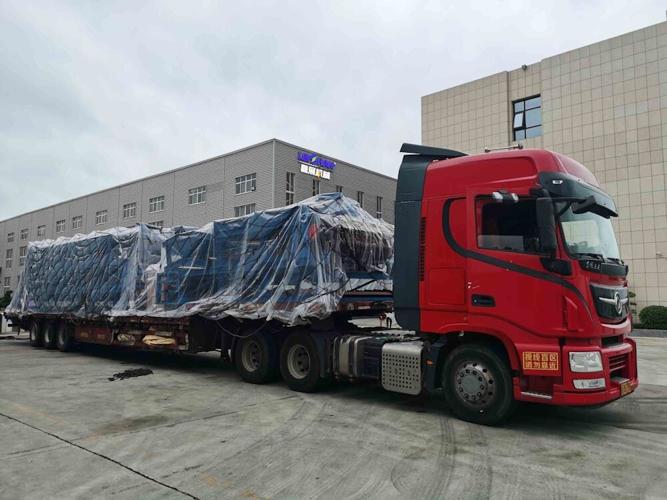
Delays, mispicks, or bottlenecks at any stage of the process can quickly affect customer satisfaction and operating costs.
Streamlining fulfillment is not about rushing tasks. It involves refining processes, improving coordination, and using resources more effectively across warehousing, inventory handling, and transportation.
When these elements align, logistics operations become more predictable, scalable, and cost-aware.

Refining Warehouse Operations for Faster Turnaround
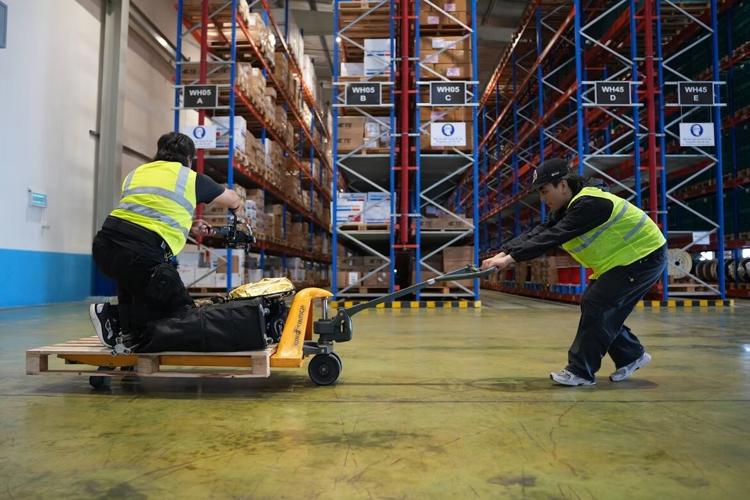
Warehouse performance has a direct impact on how quickly orders move from placement to shipment. Layout design, task sequencing, and labor allocation all influence daily throughput.
Facilities that rely on outdated workflows often experience congestion, duplicated effort, and inconsistent output. One key focus area is improving warehouse productivity, which often begins with evaluating how goods flow through the space. Poorly placed inventory, long travel paths, and unclear picking zones slow down completion times.
Reorganizing storage based on order frequency and product type helps reduce unnecessary movement and shortens picking cycles.
Clear process documentation supports consistency. When teams follow standardized workflows, training becomes easier, and errors decline. Small adjustments in how tasks are grouped or sequenced can lead to noticeable gains in efficiency.
Optimizing Inventory Visibility and Accuracy
Accurate inventory data plays a major role in order completion speed. When stock levels are unclear or outdated, teams lose time searching for items or resolving discrepancies. This uncertainty often leads to delayed shipments and rushed corrective actions.
Real-time inventory tracking allows warehouses to align picking, packing, and replenishment more effectively. Knowing what is available, where it is stored, and when it needs restocking reduces interruptions during fulfillment.
Improved visibility supports better demand planning. When inventory data is reliable, logistics teams can prepare for order spikes and allocate resources more efficiently.
Accurate inventory records reduce shrinkage by making discrepancies easier to spot early. Barcode scanning and RFID systems help keep updates automatic rather than dependent on manual entry.
Clear visibility shortens training time for new staff since locations and quantities are easy to verify. It improves coordination with purchasing teams, who can reorder with confidence instead of reacting late.
Streamlining Picking and Packing Processes
Picking and packing represent some of the most labor-intensive stages of order fulfillment. Inefficient methods in these areas create ripple effects across the entire logistics chain.
Batch picking, zone picking, or wave picking strategies can be matched to order volume and product mix. Selecting the right approach reduces walking time and balances workloads across teams.
Packing stations benefit from standardized materials and layouts that minimize decision-making during order preparation.
Reducing variability at these stages improves speed and consistency, supporting faster dispatch without increasing error rates.
Technology can further streamline these tasks through pick-to-light, voice picking, or mobile scanning tools. Clear slotting logic places fast-moving items within easy reach, cutting travel time even more.
Standard work instructions help new and experienced staff follow the same efficient flow. Real-time performance metrics reveal bottlenecks before they slow the entire shift. Together, these refinements turn picking and packing into predictable, high-throughput operations.
Leveraging Technology to Reduce Manual Friction
Technology plays a supporting role in streamlining logistics when applied thoughtfully. Warehouse management systems help coordinate tasks, assign priorities, and track progress in real time. Automation tools assist with sorting, labeling, and routing orders more efficiently.
Barcode scanning and digital verification reduce reliance on memory and manual checks. These tools help prevent mispicks and guarantee orders are completed the first time correctly.
Technology adoption works best when it aligns with existing workflows rather than replacing them abruptly. Gradual integration allows teams to adapt and maintain productivity.
Improving Coordination Between Departments
Order completion does not rely on warehouse teams alone. Coordination between sales, inventory planning, customer service, and transportation teams affects efficiency. Misalignment between departments often causes delays or conflicting priorities.
Clear communication channels help guarantee that changes in order volume, shipping requirements, or stock availability are shared quickly. When departments operate with shared visibility, adjustments can be made proactively rather than reactively.
Cross-functional alignment reduces last-minute changes that disrupt fulfillment schedules and strain resources.
Reducing Bottlenecks in Shipping and Dispatch
Shipping stages often become bottlenecks during peak periods. Limited dock availability, carrier delays, or incomplete documentation can slow dispatch even when orders are ready.
Pre-scheduling carrier pickups and preparing documentation early helps maintain a steady outbound flow. Grouping shipments by destination or carrier can reduce loading time and simplify coordination.
Consistent dispatch routines support predictable lead times, which improve planning across the logistics network.
Training and Empowering Warehouse Teams
Efficiency gains depend heavily on people. Well-trained teams perform tasks more consistently and adapt more easily to process changes. Ongoing training helps staff understand not just how tasks are done, but why workflows are structured a certain way.
Empowered employees often identify inefficiencies before they escalate. Encouraging feedback from warehouse staff supports continuous improvement and helps refine processes based on real-world conditions.
Stable teams with clear expectations contribute to smoother operations and reduced error rates.
Measuring Performance With Relevant Metrics
Streamlining efforts requires clear measurement. Without defined benchmarks, it becomes difficult to evaluate whether changes are producing meaningful results. Key performance indicators help track progress and identify areas that need adjustment.
Metrics commonly used in logistics include:
Order accuracy rates
Pick and pack time per order
Inventory turnover
Dock-to-dispatch cycle time
Tracking these indicators over time highlights trends and supports data-driven decisions.
Supporting Scalability as Order Volume Grows
As businesses grow, logistics systems must scale without sacrificing efficiency. Processes that work for small volumes may struggle under higher demand. Designing workflows with flexibility allows operations to expand smoothly.
Scalable systems rely on modular layouts, adaptable staffing models, and technology that can handle increased data and task loads. Planning for growth reduces the need for disruptive overhauls later.
When scalability is built into logistics design, order completion remains reliable even during rapid expansion.
Strengthening Long-Term Logistics Performance
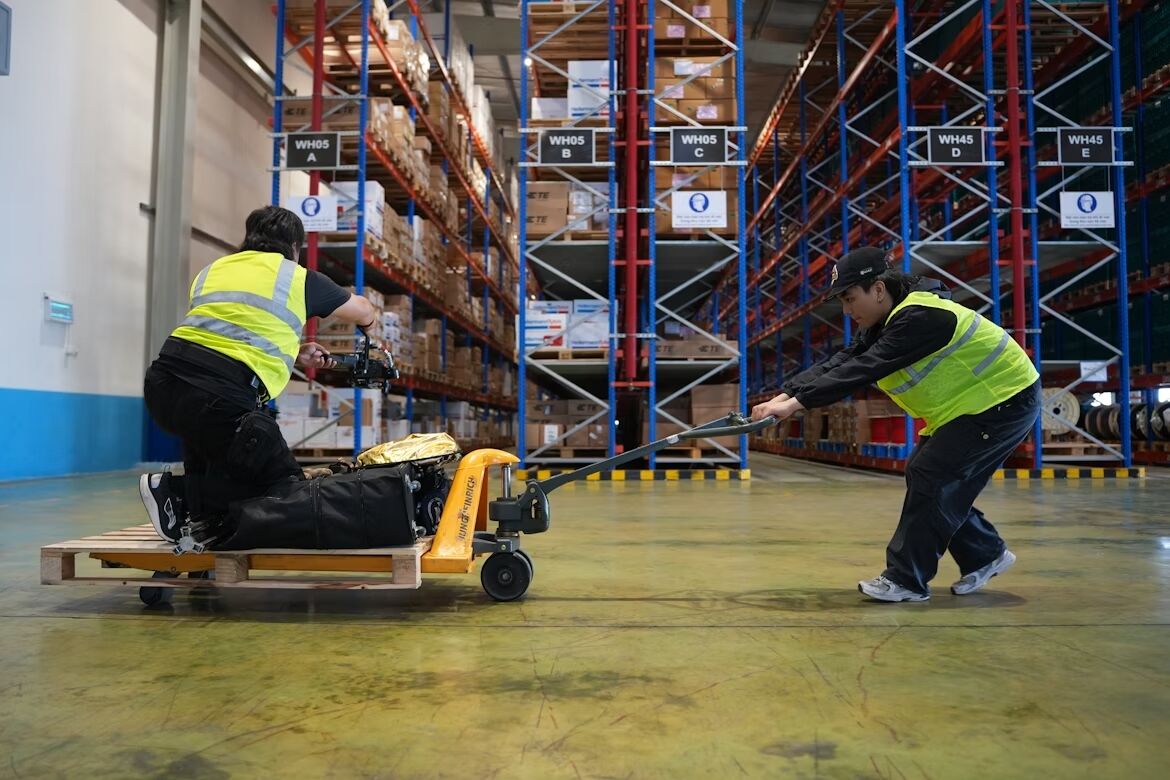
Streamlining order completion is an ongoing process rather than a one-time initiative. Small, consistent improvements across warehouse operations, inventory management, and coordination create cumulative gains over time.
Efficient logistics support faster delivery, better cost control, and stronger customer trust. By focusing on workflow clarity, visibility, and team alignment, businesses can create fulfillment systems that perform reliably under pressure.
These improvements shorten turnaround times and position logistics operations for sustained efficiency as demands continue to evolve.

(0) comments
We welcome your comments
Log In
Post a comment as Guest
Keep it Clean. Please avoid obscene, vulgar, lewd, racist or sexually-oriented language.
PLEASE TURN OFF YOUR CAPS LOCK.
Don't Threaten. Threats of harming another person will not be tolerated.
Be Truthful. Don't knowingly lie about anyone or anything.
Be Nice. No racism, sexism or any sort of -ism that is degrading to another person.
Be Proactive. Use the 'Report' link on each comment to let us know of abusive posts.
Share with Us. We'd love to hear eyewitness accounts, the history behind an article.