
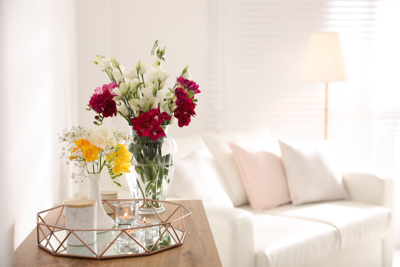

Creating a home that feels refined and comfortable is often associated with high budgets and large-scale renovations. For many households—especially those living in affordable housing or using rental assistance programs—that perception can feel discouraging. Yet a luxurious atmosphere is not defined by price tags or square footage. It’s defined by comfort, cohesion, and thoughtful details. With smart choices and a focus on impact rather than expense, it’s possible to elevate a living space in ways that feel intentional and lasting.
Budget-friendly upgrades are especially valuable in rental and subsidized housing, where permanent changes may be limited and resources must be used carefully. These upgrades are less about altering the structure of a home and more about enhancing how it feels to live in it every day.
Redefining “Luxury” in the Home
Luxury is often misunderstood as something extravagant or unattainable. In reality, it’s about experience. A well-lit room, a comfortable seating area, or an organized kitchen can feel far more luxurious than expensive finishes that don’t serve daily needs.
In affordable housing, luxury often means peace of mind, comfort, and a sense of pride in one’s living space. Small upgrades that improve usability or visual harmony can dramatically change how a home is experienced. When a space feels calm and cohesive, it naturally feels more elevated.
Lighting: One of the Most Impactful Changes
Lighting is one of the simplest and most effective ways to upgrade a home’s feel. Many rental units rely on overhead lighting that can feel harsh or flat. Introducing layered lighting—such as floor lamps, table lamps, or wall-mounted plug-in fixtures—adds depth and warmth.
Soft, warm-toned bulbs create a more inviting atmosphere, especially in living rooms and bedrooms. Task lighting in kitchens or work areas improves functionality while also making spaces feel more intentional. These changes require no permanent installation and can move with you if you relocate.
Textiles That Add Comfort and Depth
Textiles play a major role in how a space feels. Curtains, rugs, throw blankets, and pillows add softness, texture, and visual interest. They also help define areas within open or small layouts, which is common in affordable housing.
Floor-length curtains, even when hung slightly above the window frame, can make ceilings appear higher. Area rugs help anchor furniture and create a sense of structure in multipurpose rooms. Layering fabrics in complementary tones adds depth without clutter.
These elements are especially useful for renters, as they allow for personalization without altering walls or fixtures.
Hardware and Small Details That Make a Difference
Sometimes, it’s the smallest details that have the biggest impact. Swapping out cabinet handles, drawer pulls, or shower curtains can subtly refresh kitchens and bathrooms. These changes are often inexpensive and reversible, making them suitable for rental homes.
Coordinating finishes—such as choosing similar tones for hardware, lighting accents, and accessories—creates a cohesive look. This sense of coordination often reads as “luxurious,” even when the individual items are simple.
Organization as an Upgrade
A well-organized home feels calmer and more intentional. Clutter can make even a large space feel overwhelming, while organization allows a home’s best features to stand out.
In budget-conscious households, smart storage solutions are key. Baskets, shelving units, and under-bed storage help keep essentials accessible without visual overload. Open shelving, when styled thoughtfully, can feel both practical and polished.
Organization is also about layout. Ensuring clear pathways, balanced furniture placement, and designated zones for daily activities improves flow and comfort.
Kitchens and Bathrooms: High Impact Without Renovation
Kitchens and bathrooms often define how people feel about a home, yet they’re also the spaces most restricted in rental housing. Fortunately, there are ways to enhance these areas without permanent changes.
In kitchens, adding peel-and-stick backsplash panels, using coordinated containers for pantry items, or introducing a small rug can change the atmosphere. Keeping countertops clear and using vertical storage makes the space feel larger and more functional.
In bathrooms, upgraded shower curtains, matching towels, and simple accessories like trays or organizers can create a spa-like feel. Even replacing standard light bulbs with softer options can make a noticeable difference.
Creating a Sense of Flow Throughout the Home
Luxury is often associated with homes that feel cohesive rather than fragmented. Creating flow doesn’t require matching furniture in every room—it requires consistency.
Using a limited color palette throughout the home helps connect different spaces. Repeating certain textures or materials, such as wood tones or metal accents, reinforces that connection. When rooms feel related to one another, the home as a whole feels more considered.
This approach works well in small apartments, where visual continuity can make the entire space feel larger and more unified.
Affordable Housing and the Importance of Feeling at Home
For individuals and families in subsidized housing, creating a comfortable home is about more than aesthetics. It’s about stability, dignity, and well-being. A space that feels cared for supports mental health and encourages routines that foster long-term stability.
Finding affordable housing can be a complex process, and Section 8 Listings help households identify available options and take the first step toward securing a home. Once that step is taken, personalizing the space becomes a powerful way to turn housing into a true home.
Even modest upgrades can reinforce a sense of ownership and pride, which are essential components of feeling settled and secure.
Art, Personal Items, and Meaningful Decor
Artwork and personal items bring individuality into a space. These elements don’t need to be expensive to feel significant. Framed prints, photographs, or handmade items add character and warmth.
Arranging art thoughtfully—such as aligning frames or grouping items intentionally—can elevate even simple pieces. Leaning artwork on shelves or using removable hooks allows for flexibility and protects rental walls.
Meaningful décor tells a story, and homes that reflect the people who live in them naturally feel more welcoming.
Long-Term Value of Thoughtful Upgrades
Budget-friendly upgrades are not just about immediate appearance; they’re about long-term livability. Homes that are easier to maintain, more comfortable, and better organized reduce daily stress and make routines smoother.
These improvements support households as they work toward broader goals, whether that’s saving money, pursuing education, or supporting family needs. A home that feels stable and comfortable becomes a foundation rather than a source of strain.
Luxury as Comfort and Care
Ultimately, luxury in the home is about care—care in how spaces are arranged, how light is used, and how daily life is supported. Budget-friendly upgrades that feel luxurious succeed because they focus on experience rather than expense.
In affordable and subsidized housing, these upgrades demonstrate that comfort and style are not reserved for a select few. With intention and creativity, any home can feel elevated, supportive, and truly lived in.


(0) comments
We welcome your comments
Log In
Post a comment as Guest
Keep it Clean. Please avoid obscene, vulgar, lewd, racist or sexually-oriented language.
PLEASE TURN OFF YOUR CAPS LOCK.
Don't Threaten. Threats of harming another person will not be tolerated.
Be Truthful. Don't knowingly lie about anyone or anything.
Be Nice. No racism, sexism or any sort of -ism that is degrading to another person.
Be Proactive. Use the 'Report' link on each comment to let us know of abusive posts.
Share with Us. We'd love to hear eyewitness accounts, the history behind an article.