
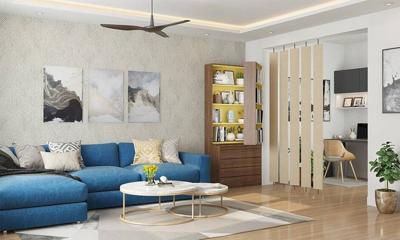

A few years ago, I visited a newly renovated home that looked beautiful on paper. The walls had been freshly painted, the furniture was carefully arranged, and the lighting was warm. Yet the rooms still felt unfinished. The problem became clear when the afternoon sun poured through bare windows, washing out the colours and making the living area uncomfortably bright.
Once professionally selected curtains were installed, the entire home changed. The fabric softened the architecture, controlled the light, reduced glare, and gave each room a stronger sense of purpose. That experience showed how window furnishings can influence far more than appearance. They shape comfort, privacy, mood, temperature, and the way a room feels throughout the day.
A curtain specialist brings practical knowledge and design experience to this process. Rather than treating curtains as a final decorative layer, they consider them part of the interior design itself. Their guidance can help homeowners create rooms that feel balanced, welcoming, and suited to everyday living.
Why Window Furnishings Have Such a Strong Visual Impact
Windows naturally draw the eye because they connect indoor spaces with the outside world. The way they are framed can influence how large, bright, formal, or relaxed a room appears. Bare or poorly dressed windows may make even a well-designed space feel incomplete.
Curtains can introduce softness into rooms dominated by hard surfaces such as timber, glass, stone, or metal. They also create vertical lines that make ceilings appear taller, and rooms feel more refined. A specialist can recommend proportions that complement the room rather than overpower it.
The right window treatment can influence several visual elements:
- The perceived height and width of the room
- The balance between furniture and architectural features
- The warmth or coolness of the colour palette
- The amount of natural light entering the space
- The level of formality created by the interior
- The visual connection between adjoining rooms
A curtain specialist studies these details before recommending a design. This approach helps create a finished result that feels intentional rather than added as an afterthought.
How a Specialist Evaluates Your Interior
Professional advice usually begins with a detailed review of the room. The specialist considers how the space is used, when sunlight enters, where privacy is needed, and which interior features should remain visible. They may also examine ceiling height, window depth, wall space, furniture placement, and existing colour choices.
This evaluation allows recommendations to be based on the realities of the home. A fabric that looks attractive in a showroom may behave very differently beside a sunny window. Likewise, a curtain style that suits a large formal lounge may make a small bedroom feel crowded.
During the consultation, a specialist may review:
- Window measurements and surrounding wall space
- The direction each window faces
- Daily sunlight and glare levels
- Privacy needs during the day and evening
- Room function and household routines
- Existing flooring, furniture, and paint colours
- Heating, cooling, and insulation concerns
- Preferred levels of maintenance
This information helps narrow the choices and prevents costly design mistakes. It also gives homeowners a clearer understanding of why certain fabrics, tracks, or heading styles are better suited to their property.
Working With Blind and Curtain Specialists in Sydney
Homes in Sydney can experience strong sunlight, warm summers, changing seasonal temperatures, and varied privacy needs. Working with Blind and Curtain Specialists in Sydney gives homeowners access to advice tailored to local conditions, particularly when selecting fabrics and installation methods for rooms exposed to intense afternoon light.
A specialist can recommend solutions based on the home's orientation and layout. For example, a west-facing living room may benefit from layered curtains that filter harsh sunlight during the day and provide greater coverage at night. A bedroom facing a nearby property may need a different combination focused on privacy and light control.
Professional guidance can also help homeowners avoid common errors, including:
- Selecting fabric that fades quickly in direct sunlight
- Hanging curtains too low or too close to the window
- Choosing a track that cannot support the fabric weight
- Using short curtains that interrupt the room’s proportions
- Overlooking the stack-back space beside the glass
- Choosing lining without thinking about heat or privacy
- Installing treatments that interfere with doors or furniture
The result is not only more attractive but also more effective. It is also more practical, durable, and better suited to the way the household uses each room.
Creating Better Light Control Throughout the Day
Natural light can make a home feel open and energising, but too much of it can cause glare, heat, fading, and discomfort. A curtain specialist helps homeowners find a balance between brightness and protection.
Sheer curtains are often used to soften daylight without making a room feel enclosed. They can reduce visual exposure from outside during the day while allowing filtered light to reach the interior. Heavier curtains or lined drapes can then be closed when greater privacy, darkness, or temperature control is needed.
Different rooms may need different approaches:
- Living rooms often benefit from soft, filtered daylight.
- Bedrooms may need stronger light-blocking to improve rest.
- Home offices require glare control around computer screens.
- Dining areas may need flexible coverage for morning and evening use.
- Media rooms often need darker treatments to improve screen visibility.
A specialist can match the fabric density and layering method to the room’s daily light patterns. This gives homeowners more control without sacrificing the atmosphere created by natural light.
Using Fabric to Shape Mood and Character
Fabric affects how a room feels before anyone notices the technical details. Linen-look materials can create a relaxed, natural atmosphere, while velvet or heavier woven fabrics can add richness and formality. Smooth, lightly textured fabrics often suit modern homes, while detailed patterns can introduce personality into simpler spaces.
The specialist’s role is to help the homeowner choose a fabric that connects with the rest of the interior. This involves more than matching colours. Texture, weight, drape, light reflection, and pattern scale all influence the final appearance.
A few useful design principles include:
- Soft neutrals can create calm without making the room feel plain.
- Vertical patterns may add a sense of height.
- Large patterns usually work best in spacious rooms.
- Small patterns can add detail without dominating the interior.
- Textured fabrics can bring depth to a restrained colour scheme.
- Warm tones may make large rooms feel more intimate.
- Cooler shades can support a crisp, airy interior style.
The best fabric choice supports both the architecture and the homeowner’s personality. It should feel connected to the room, not separate from it.
Improving Privacy Without Sacrificing Natural Light
Privacy needs vary greatly between homes. A street-facing living room may require daytime coverage, while an upper-level bedroom may need privacy mainly at night. Nearby buildings, footpaths, balconies, and garden layouts can all affect the choice of window furnishings.
A specialist can create a layered treatment that responds to changing conditions. Sheers may soften the view from outside during daylight hours, while lined curtains provide fuller coverage after dark. This combination gives homeowners the freedom to adjust privacy without keeping rooms closed off all day.
The placement of the curtain track also affects privacy. Wider tracks allow the fabric to cover the window edges more fully, reducing side gaps. Ceiling-mounted tracks can create broader coverage and a clean architectural finish, especially in contemporary homes.
Careful planning creates privacy that feels natural rather than restrictive. The room remains bright and connected to the outdoors while still offering a comfortable sense of separation.
Supporting Better Temperature Control
Windows are common points of heat gain and heat loss within a home. While curtains do not replace proper insulation, well-fitted window treatments can support indoor comfort by adding a layer between the glass and the room.
Lined curtains can help reduce the effect of hot glass during warmer months and limit heat loss during cooler periods. The level of benefit depends on the fabric, lining, installation, window type, and how closely the curtain sits around the opening.
For stronger temperature support, a specialist may suggest:
- Floor-length curtains with generous width
- Thermal or blockout lining
- Tracks mounted close to the ceiling
- Full coverage beyond the window frame
- Layered fabrics for added density
- Pelmets that reduce air movement above the curtain
- Motorised controls that support regular opening and closing
These details can enhance comfort while also protecting flooring, furniture, and artwork from prolonged exposure to the sun. The room may feel more stable throughout the day, reducing the need for constant adjustments to heating or cooling.
Combining Curtains With Other Window Treatments
Curtains can work well on their own, but combining them with blinds or shutters can provide greater flexibility. Each layer performs a different role. One may control glare, another may support privacy, and the outer curtain may add softness and visual depth.
The right pairing depends on the room and window structure. A specialist can check whether the treatments will work together smoothly and whether there is enough space for tracks, brackets, and fabric folds.
Common layered combinations include:
- Sheer curtains with lined blockout curtains
- Roller blinds with decorative curtains
- Roman blinds with side curtains
- Cellular blinds with soft drapery
- Timber-style window treatments with full-length curtains
A successful combination should look coordinated rather than crowded. Colours, textures, and hardware need to relate to one another, while each layer should remain easy to operate.
Correcting Room Proportions Through Installation
Curtain placement can change how a room is perceived. Hanging a track directly above a window may draw attention to the window’s actual dimensions. Mounting it closer to the ceiling can create a taller, more generous appearance.
Extending the track beyond the window edges also allows the curtains to sit away from the glass when open. This exposes more of the window, lets in additional daylight, and can make the opening appear wider.
A specialist may use several techniques to improve proportions:
- Installing curtains from ceiling to floor
- Extending tracks past both sides of the window
- Using wider fabric panels for fuller folds
- Aligning curtain heights across adjoining rooms
- Concealing tracks within ceiling recesses
- Selecting headings that suit the ceiling height
- Using continuous treatments across grouped windows
These choices can correct awkward proportions without structural renovation. A small window may appear more substantial, while a low ceiling can feel less confined.
Choosing a Heading Style That Matches the Interior
The curtain heading is the upper section that connects the fabric to the track or rod. Although it may seem like a small detail, it strongly influences how the curtain falls and how formal the room appears.
Wave headings create smooth, even folds and suit many modern interiors. Pinch pleats have a tailored appearance and may work well in traditional or refined spaces. Pencil pleats offer a softer, gathered effect, while concealed headings can create a simple, understated finish.
The specialist will usually match the heading to:
- The room’s design style
- The fabric weight
- The track or rod system
- The available stacking space
- The preferred fullness
- Manual or motorised operation
A suitable heading helps the fabric hang correctly over time. It also supports smooth movement and gives the curtains a polished shape when both open and closed.
Avoiding Expensive Measuring and Installation Errors
Accurate measurement is one of the main reasons homeowners seek professional help. Even a small error can lead to curtains that drag, sit unevenly, expose gaps, or fail to clear nearby furniture.
Windows may also appear square, with slight variations in height or width. Ceiling levels, skirting boards, flooring changes, handles, and air-conditioning units can affect the final fit. A specialist accounts for these factors before manufacturing begins.
Professional installation also helps protect the curtain hardware. Heavy fabrics require secure fixing points, particularly when tracks are mounted into ceilings or wide wall sections. The installer must identify suitable supports and use fittings that match the surface.
This attention to detail protects the appearance and function of the finished treatment. It also reduces the risk of later adjustments, replacement hardware, or damaged walls.
Practical Questions to Ask During a Consultation
A consultation is more productive when homeowners explain how they use the room and what problems they want to solve. Bringing fabric samples, paint references, or photographs of the space helps the specialist understand the intended style.
Useful questions include:
- Which fabrics suit the amount of sunlight in this room?
- Will the selected material fade or change colour over time?
- What lining provides the required privacy and light control?
- Where should the track be positioned?
- How much space will the curtains occupy when open?
- Will the treatment interfere with doors, handles, or furniture?
- Which fabric options are easier to clean?
- Is motorisation suitable for this window?
- How will the finished curtain affect the room temperature?
- What level of fullness will create the desired appearance?
Clear answers help homeowners compare options based on performance, not appearance alone. They also create realistic expectations about care, operation, and the final look.
How to Keep Curtains Looking Their Best
Curtains collect dust and may be affected by sunlight, moisture, pets, cooking residue, and frequent handling. The care method depends on the fabric and lining, so homeowners should follow the instructions supplied with the finished product.
Regular light maintenance can reduce the need for frequent deep cleaning. Gently vacuuming with an upholstery attachment, keeping windows dry, and opening curtains with clean hands can help preserve their appearance.
Helpful habits include:
- Rotate or adjust furniture to limit repeated rubbing against fabric.
- Use curtain wands rather than pulling on the panels directly.
- Address condensation near windows promptly.
- Keep pets from climbing or scratching the material.
- Vacuum folds and hems at suitable intervals.
- Follow professional cleaning advice for lined or delicate fabrics.
- Check tracks and gliders if movement becomes stiff.
- Avoid exposing wet curtains to strong direct heat.
Good maintenance supports smoother operation and helps fabrics retain their shape, colour, and texture for longer.
Bringing the Whole Interior Together
Curtains can act as the visual thread that connects a room’s separate elements. They may repeat the warmth of timber flooring, soften the shape of a sofa, or balance a strong feature wall. In open-plan homes, coordinated window treatments can also create consistency across living, dining, and kitchen areas.
The aim does not have to be a perfect match. A more natural result often comes from repeating related tones, textures, or shapes. For example, a textured neutral curtain may connect with a woven rug and upholstered dining chair without using the same colour.
A curtain specialist can help identify these relationships and recommend choices that remain appealing as furniture or accessories change. This gives the interior a stronger foundation and reduces the chance that the window treatment will feel dated too quickly.
Frequently Asked Questions
What do blind and curtain specialists do during a home consultation?
A specialist measures the windows, reviews sunlight, discusses privacy, and studies the existing interior style. They also ask how each room is used and identify practical issues such as glare, heat, nearby furniture, or difficult window shapes. Based on this information, they recommend suitable fabrics, linings, tracks, and operating systems. The consultation provides homeowners with a tailored plan rather than relying solely on standard sizes or showroom appearance.
How can blind and curtain specialists improve a small room?
Specialists can use curtain placement to make a compact room appear taller and wider. Ceiling-mounted tracks, floor-length fabric, and extended track widths can visually enlarge the window and draw the eye upward. Light-filtering materials also help retain brightness while adding privacy. They can recommend colours and textures that support an open feeling without leaving the room plain or unfinished.
Can blind and curtain specialists help with heat and glare?
Yes. They can recommend fabric densities, linings, and layered treatments suited to the amount of sunlight entering each room. A west-facing window may need stronger protection than a shaded window facing another direction. Specialists can also position tracks to provide fuller coverage around the opening. These choices reduce glare, protect furnishings from fading, and support a more comfortable indoor temperature.
Are custom curtains better than ready-made curtains?
Custom curtains are made for the exact window dimensions, ceiling height, and preferred installation position. This often produces better coverage, more balanced folds, and a cleaner fit. Homeowners can also choose the fabric, lining, heading, and hardware based on their needs. Ready-made curtains may suit simple windows or limited budgets, but they offer less control over length, width, stacking, and long-term performance.
How should I prepare before meeting a blind and curtain specialist?
Think about the problems you want the window treatment to solve, such as glare, lack of privacy, poor sleep, heat, or an unfinished appearance. Note when sunlight enters the room and how often the windows or doors are opened. Photos, paint samples, flooring references, and examples of preferred interiors can also help communicate your taste. A clear list of priorities allows the specialist to recommend suitable options more efficiently.
Curtains can change how a home looks, feels, and functions without altering its basic structure. Professional guidance helps turn fabric, light, and proportion into a coordinated interior feature. By choosing treatments based on daily routines, room conditions, and long-term comfort, homeowners can create spaces that feel more polished, peaceful, and personal.
(0) comments
We welcome your comments
Log In
Post a comment as Guest
Keep it Clean. Please avoid obscene, vulgar, lewd, racist or sexually-oriented language.
PLEASE TURN OFF YOUR CAPS LOCK.
Don't Threaten. Threats of harming another person will not be tolerated.
Be Truthful. Don't knowingly lie about anyone or anything.
Be Nice. No racism, sexism or any sort of -ism that is degrading to another person.
Be Proactive. Use the 'Report' link on each comment to let us know of abusive posts.
Share with Us. We'd love to hear eyewitness accounts, the history behind an article.