
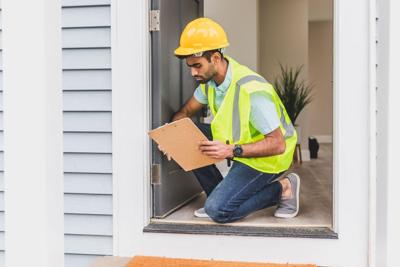

Most homes fail quietly. Not with a bang, but behind a wall, under a floor, inside a roof cavity nobody's looked at in years. By the time you can see the problem, it's usually been developing for months. Scheduling the right inspections at the right intervals is one of the cheapest insurance policies a property owner has. This guide covers what to check, what each inspection actually looks for, and how often.
Why Bother With Regular Inspections At All
A house is really just several systems running at once. Wiring, plumbing, framing, roofing. Each ageing on its own clock. A roof leak doesn't stay a roof problem. Give it six months and it's an insulation problem, then a mould problem, then possibly a wiring problem if it's found its way into a ceiling void. Waiting for something to become visible means waiting until it's already past the point of being a cheap fix. Owners who rent property have an extra reason to stay ahead of this: it's their liability, not just their bill.
Start With Pests and Structure
Termites don't wait for a convenient season. Across most of Australia, they're active year-round, and a licensed inspector checking a property will look at subfloor timber, skirting boards, architraves, and anywhere timber touches soil directly. That's where they get in first, and it's where the damage sits longest before anyone notices. Pair this with a structural check every so often, foundations, subfloor framing, load-bearing walls, looking for movement or cracking. None of this is expensive. Structural remediation is. That gap is exactly why people skip the cheap check and end up paying for the expensive one.
The Fault You Can't See Coming
Electrical risk hides well. A loose connection or a corroded terminal generates heat long before it trips anything or looks wrong at the switch. You're unlikely to smell it or see it, not until it's further along than you'd like. This is the actual case for an electrical thermal imaging inspection: a camera reads heat signatures across a switchboard or cable run and flags what a visual check physically cannot. Non-invasive, quick, and genuinely useful on older wiring. If your home still has its original switchboard, this is one of the more sensible calls to make before it becomes an emergency one.
Plumbing Leaks Don't Announce Themselves
A joint leaking slowly inside a wall can run for a long time before it surfaces. Feeding mould. Softening timber. All while the wall looks completely fine from the outside. A proper plumbing check covers pipe joints, water pressure, tapware, and the condition of the hot water system, since older units are a common source of these slow leaks. Bathrooms, laundries, and kitchens: check them more often than you think you need to, especially in older homes or humid coastal areas where things deteriorate faster than inland properties.
Roofs Get Ignored Because They're Out of Sight
Nobody checks their roof for fun. Cracked tiles, flashing that's lifted around a vent, gutters packed with leaf litter, each one looks minor on its own. Together they're a water ingress problem waiting for the right storm. Time a roof and gutter check around the wetter months. Look for debris build-up, rusted fasteners, and gutters that sag under their own weight. Catch it here, and it's a maintenance job. Miss it and it's a ceiling replacement.
Put It On A Calendar
The schedule doesn't need to be complicated. It just needs to actually happen.
- Annual: pest and termite check, plumbing review, electrical safety assessment
- Biannual: roof and gutter inspection, timed around the wetter seasons
- Every few years: a full structural assessment, especially past the fifteen-year mark
An ambitious schedule you abandon after month two is worse than a modest one you stick to.
The Real Habit Worth Keeping
None of this is complicated. None of it is particularly expensive, not against what it protects. It just takes consistency, checking things before they become visible problems instead of after. Houses rarely fail all at once. They wear down piece by piece, one overlooked system at a time. Build the habit, and you're not being vigilant; you're just following a routine. And routine, it turns out, is what actually holds up.

(0) comments
We welcome your comments
Log In
Post a comment as Guest
Keep it Clean. Please avoid obscene, vulgar, lewd, racist or sexually-oriented language.
PLEASE TURN OFF YOUR CAPS LOCK.
Don't Threaten. Threats of harming another person will not be tolerated.
Be Truthful. Don't knowingly lie about anyone or anything.
Be Nice. No racism, sexism or any sort of -ism that is degrading to another person.
Be Proactive. Use the 'Report' link on each comment to let us know of abusive posts.
Share with Us. We'd love to hear eyewitness accounts, the history behind an article.