
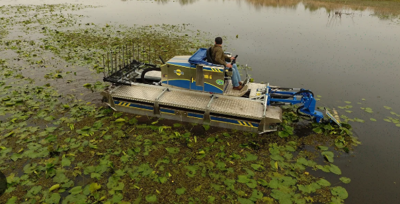

Dealing with overgrown pond weeds? You’re not alone. They can make any waterfront look messy and harder to maintain. This guide is here to help homeowners and rental property owners find simple, effective pond aquatic weed removal tools that actually work.
Why Pond Weed Management Matters for Property Value
Is your pond an eyesore? Overgrown weeds don't just look bad; they can sink your property’s market price. When weeds get out of control, they ruin the water quality and make it hard to enjoy activities like boating or fishing.
The solution is simple: consistent pond weed control. Routine care keeps the water moving and prevents invasive species from moving in. If you're a landlord, a sparkling pond is a huge selling point that makes your property stand out from the rest.
Understanding the Types of Pond Weeds You're Dealing With
Before buying any tool, it helps to know what you're cutting.
1. Submerged Weeds
These grow entirely underwater and include species like milfoil and coontail. They tend to grow in dense mats that entangle boat propellers and swimming legs. They require tools that can cut below the surface.
2. Emergent Weeds
Cattails, bulrush, and phragmites grow from the shoreline outward. They're tougher and more fibrous, so they need heavier-duty cutting blades or serrated edges.
3. Floating Weeds
Duckweed and water hyacinth sit on the surface. These are often best managed with nets or rakes rather than cutters alone.
Knowing which weed type dominates your pond will narrow down your tool selection significantly.
Manual vs. Automated Pond Weed Cutters: How to Decide
This is the core question most property owners face. The right answer comes down to pond size, physical ability, time availability, and budget.
Manual Pond Weed Cutters
For simple and cost-effective pond maintenance, manual cutters are a solid pick. Most cost between $30 and $150 and work well for small to mid-sized ponds. No power source is needed. Benefits include:
- Low upfront cost
- Easy to store (most fold or break down)
- Simple to maintain — no motors to service
- Quiet operation
Hand-cutting pond weeds requires time and effort. A quarter-acre pond can take several hours to manage. However, manual tools remain a solid choice for cost-effective pond maintenance.
Automated and Power-Assisted Weed Cutters
For large ponds, battery-powered and gas-powered cutters offer better speed and efficiency. They are perfect for ponds over half an acre and for property owners who want quick, consistent results with less manual work. Key advantages include:
- Cover larger areas in less time
- Consistent cutting depth and pressure
- Reduce physical strain
- Better suited for commercial or multi-property use
The cost is higher — expect to spend $200 to $1,000+ — and storage requires more space. Battery models need charging cycles, while gas models require seasonal maintenance.
What to Look for in a Pond Weed Cutter
Not all cutters are built the same. Here are the features worth prioritizing.
1. Blade Design and Cutting Capacity
Double-sided serrated blades cut on both the forward and backward stroke, which doubles efficiency. Look for stainless steel or coated blades that resist rust — ponds are a corrosive environment.
2. Handle Length and Reach
Long handles (6–12 feet) allow you to cut aquatic weeds without getting wet. This makes pond maintenance easier and safer. A telescoping handle adds flexibility for different depths.
3. Weight and Ease of Use
Lighter tools reduce fatigue during longer cutting sessions. For property owners who are not physically intensive users, ergonomic grip designs and balanced weight distribution make a real difference.
4. Ease of Storage
Collapsible or sectional designs store cleanly in a shed or garage. Bulky tools that don't break down often end up unused — a problem worth avoiding before purchase.
5. Safety Features
Look for secure blade guards for transport and storage. If children or pets are on the property, a covered blade design reduces the risk of accidental cuts.
How Often Should You Cut Pond Weeds?
Frequency depends on the season and weed growth rate, but a general maintenance calendar looks like this:
- Spring: Initial cut as weeds begin emerging (typically May)
- Summer: Monthly cuts during peak growing season (June through August)
- Fall: Final cut before dormancy to reduce next season's growth
- Winter: Minimal action needed in most climates
Sticking to a regular schedule helps stop weeds before they spread seeds. This makes pond maintenance easier over time.
Storage and Seasonal Care Tips
Want your pond tools to last longer? Start with proper storage. Take a few minutes to clean and dry your tools after use to prevent rust and keep them working well. Drain fuel from power cutters or store batteries safely. Hang smaller tools on hooks and keep larger ones on a shelf or cart.
Find the Right Tool for Your Property
A clean pond improves curb appeal and can raise property value. The right weed cutter helps you maintain it easily, whether it’s small or large. Before you buy, consider pond size, weed type, and your maintenance time. This helps you choose the right tool.
Browse aquatic weed removal tools from Pond Perfections for reliable options. From simple hand tools to powered equipment, the right choice helps you maintain a cleaner, more attractive pond.

(0) comments
We welcome your comments
Log In
Post a comment as Guest
Keep it Clean. Please avoid obscene, vulgar, lewd, racist or sexually-oriented language.
PLEASE TURN OFF YOUR CAPS LOCK.
Don't Threaten. Threats of harming another person will not be tolerated.
Be Truthful. Don't knowingly lie about anyone or anything.
Be Nice. No racism, sexism or any sort of -ism that is degrading to another person.
Be Proactive. Use the 'Report' link on each comment to let us know of abusive posts.
Share with Us. We'd love to hear eyewitness accounts, the history behind an article.