
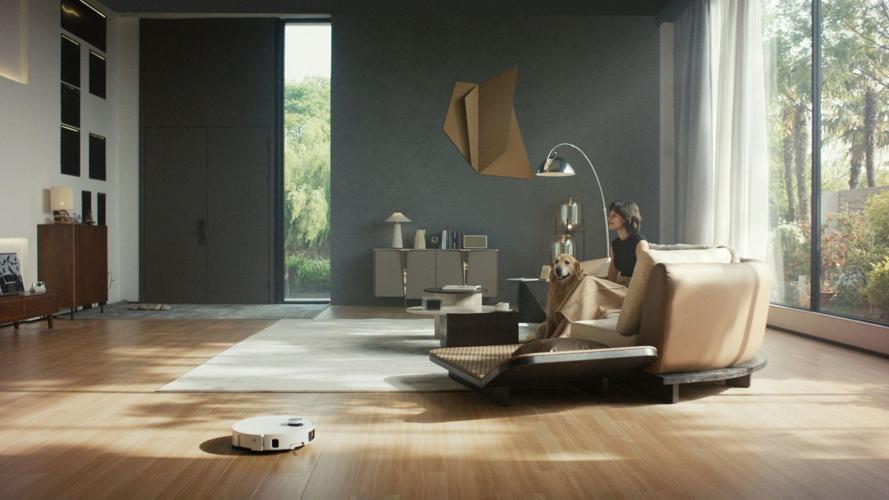
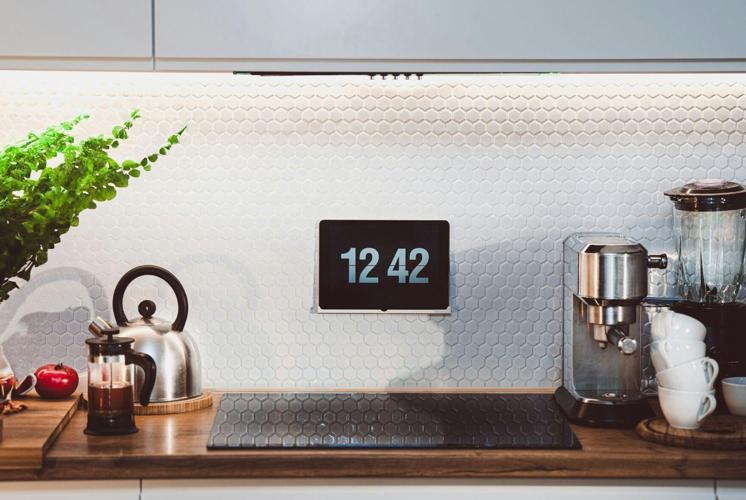

Home technology has evolved far beyond simple convenience features. While early smart home trends often focused on novelty, many homeowners today are investing in technology that improves comfort, reliability, energy management, and overall quality of life throughout the year. Smart systems are increasingly valued not because they feel futuristic, but because they quietly solve everyday problems that affect how comfortable and functional homes feel during busy routines.
Modern households rely heavily on electricity, internet access, climate control, and connected devices for both work and personal life. As a result, homeowners are becoming more intentional about choosing technology upgrades that support stability and long-term performance rather than temporary trends. The most appreciated home technology features are often the ones that reduce stress, improve efficiency, and make homes feel easier to manage overall.
Smarter Communication Tools Help Homes Feel More Connected
Technology now influences how people manage not only their homes, but also their personal organization and communication. Many households juggle work schedules, deliveries, maintenance tasks, and family coordination across multiple devices every day. Simpler digital systems often help reduce confusion while making everyday routines feel more manageable.
Tools like Linq give people quicker ways to share information, organize contacts, and keep communication accessible across busy daily routines. As homes become more connected, many households prefer technology that simplifies interaction and organization instead of adding unnecessary digital clutter or complexity.
Energy Reliability Has Become More Important
One major shift in home technology investment is the growing focus on energy resilience. Weather disruptions, grid instability, and rising energy demands have made homeowners more aware of how dependent daily life has become on reliable power access. Heating, cooling, appliances, security systems, and internet access all rely heavily on uninterrupted electricity.
Interest in 48v hybrid inverters continues growing because homeowners want more flexible energy systems that support battery storage, backup power integration, and smarter energy management overall. Energy-focused technology investments are increasingly viewed as both comfort upgrades and long-term preparedness solutions rather than niche off-grid features.
Climate Control Technology Improves Everyday Comfort
Smart climate systems have become one of the most appreciated home technology investments because indoor comfort affects daily life so directly. Homes that maintain stable temperatures, balanced humidity, and better air circulation generally feel calmer and more enjoyable throughout the year.
Programmable climate systems, smart thermostats, automated zoning, and air quality monitoring all help households create more personalized indoor environments. These upgrades often improve comfort while also reducing unnecessary energy use, especially during extreme seasonal weather when heating and cooling systems work hardest.
Automation Helps Reduce Mental Overload

Many people appreciate smart home technology because it reduces the number of small repetitive tasks they need to manage every day. Automated lighting, temperature scheduling, security monitoring, and energy tracking help homes operate more smoothly in the background without requiring constant attention.
This convenience becomes especially valuable during busy workweeks when homeowners already feel mentally overloaded. Technology that quietly handles routine adjustments often contributes to lower stress levels because people spend less time thinking about household management throughout the day.
Backup Systems Create More Peace of Mind
Comfort is not only about luxury features. For many homeowners, comfort also comes from knowing their home can continue functioning during unexpected situations. Backup power systems, battery storage, surge protection, and energy monitoring tools all help create a stronger sense of security and preparedness.
This is one reason resilience-focused technology continues becoming more mainstream even among homeowners who are not living fully off-grid. Reliable energy access helps support everything from home offices and refrigeration to medical devices and internet connectivity during outages or severe weather conditions.
Smart Homes Are Becoming More Energy-Aware
Many homeowners are also paying closer attention to how technology influences long-term energy use and utility costs. Smart systems now provide real-time information about energy consumption, temperature patterns, and appliance performance, helping households make more informed decisions about efficiency.
According to Energy Star, energy-efficient home upgrades may improve both household comfort and long-term energy savings. Technology investments that support smarter energy management are becoming increasingly attractive because they combine convenience with practical long-term benefits.
Comfort-Focused Technology Usually Lasts Longer Than Trends
Some technology trends fade quickly because they focus more on novelty than genuine usefulness. In contrast, comfort-focused home technology tends to remain valuable because it addresses everyday problems people consistently experience. Reliable energy systems, climate control, automation, and streamlined communication tools all continue providing benefits long after the initial excitement of installation disappears.
Homeowners increasingly prioritize technology that improves how the home feels on a daily basis rather than features designed only to appear modern. The most successful home technology investments are often the ones that quietly improve comfort, reliability, and peace of mind without constantly demanding attention.

(0) comments
We welcome your comments
Log In
Post a comment as Guest
Keep it Clean. Please avoid obscene, vulgar, lewd, racist or sexually-oriented language.
PLEASE TURN OFF YOUR CAPS LOCK.
Don't Threaten. Threats of harming another person will not be tolerated.
Be Truthful. Don't knowingly lie about anyone or anything.
Be Nice. No racism, sexism or any sort of -ism that is degrading to another person.
Be Proactive. Use the 'Report' link on each comment to let us know of abusive posts.
Share with Us. We'd love to hear eyewitness accounts, the history behind an article.