
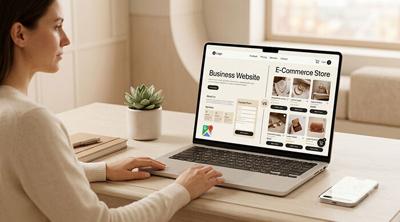

For a home and lifestyle shop, a well-designed website is only part of being discovered. Potential customers also need to find product and category pages through search, recommendations, and articles they already trust. Link building for ecommerce brand pages can help with that visibility, but it works best as a steady, relevant part of a broader marketing plan—not a shortcut based on collecting as many links as possible.
This matters whether you sell handmade ceramics, lighting, linens, or furniture. A useful link can introduce a new audience to a specific collection and help search engines understand how your site fits into a topic. The challenge is earning those links in ways that feel natural to readers and support the business beyond a temporary rise in rankings.
Start With Pages Worth Recommending
Before contacting publishers or partners, check the pages you hope people will link to. A category page should make it easy to understand what is included, how products differ, and where to go next. Product pages need clear descriptions, accurate dimensions, material and care details, useful images, and current availability. If a page is thin, confusing, or out of date, a link may bring visitors who leave without finding what they need.
Consider what a shopper would want to know before buying a home product. For a rug, that might mean construction, pile height, cleaning advice, and sizing. For cookware, it could be materials, compatible heat sources, and care instructions. Answering these questions makes a page more useful to customers and gives editors a stronger reason to refer to it.
Give People a Reason to Cite Your Store
Links are more likely to be earned when a business contributes information or resources that are genuinely useful. A small decor retailer might publish a guide to measuring curtains, explain how to choose a pendant light for a dining table, or create a seasonal checklist for preparing a guest room. Original photography, comparison charts, and clear diagrams can make these resources easier to share.
That does not mean every article should be a disguised sales pitch. A helpful guide can mention relevant products, but it should answer the reader’s question even if they do not buy anything. The same principle applies to the approaches to ecommerce link building: useful, relevant links to product and category pages are more valuable than placements that exist only to manipulate search results.
Look for Relevant Relationships
Start with people and organizations whose audiences overlap with yours. Interior designers, home organizers, local makers, renovation professionals, and lifestyle writers may all have reasons to discuss products in your niche. A partnership could involve a product demonstration, a design interview, a useful expert quote, or a guide created together. The goal is a real exchange of expertise or value, not a request for a link with no context.
Local businesses can also build visibility through community work. A shop that supplies tableware might contribute to a charity event, collaborate with a nearby food business, or provide practical advice for a neighborhood home tour. If an organization mentions its partners online, that recognition can send relevant visitors as well as provide a credible reference.
Make Outreach Specific and Respectful
When contacting an editor, explain why the page or resource would help their readers. Refer to a particular article or topic, suggest a clear contribution, and avoid sending the same generic pitch to dozens of sites. Do not ask publishers to use exact-match phrases or promise a particular ranking result. Editorial decisions belong to the publisher, and a link should make sense within the article.
Be cautious of offers that promise large numbers of backlinks quickly. A placement on an unrelated site may bring little qualified traffic and can create risk if it is part of a manipulative scheme. Review the site’s subject, the quality of its content, and whether real readers would find the page useful. Keep a record of outreach and published mentions so you can see which efforts produce relevant visits, inquiries, or sales.
Measure More Than Rankings
Search positions can fluctuate, and they do not show the whole value of a link. Track referral visits, engagement with the linked page, product views, newsletter sign-ups, and purchases where your analytics setup allows. Give campaigns time to develop, then compare results by source and page. A smaller number of highly relevant visitors may be more useful than a large spike from an audience unlikely to buy.
It is also worth checking that links lead to live pages. Products go out of stock, collections change, and URLs get reorganized. When possible, redirect retired pages to the closest relevant alternative rather than leaving visitors at an error page. Treat outreach and site maintenance as connected work.
Keep Scope Clear When Hiring Help
Some store owners handle outreach themselves; others bring in a writer, publicist, or marketing specialist. Before hiring, agree on the work, timeline, approval process, and what counts as a useful result. For any digital project, clear expectations reduce the chance of paying for activity that does not serve the business. The same lesson applies to an NFT project scope: define deliverables and decision points before work begins. Osdire’s step-by-step hiring guide discusses that planning for NFT development, but the basic habit—putting expectations in writing—helps with many kinds of freelance work.
A Practical Starting Checklist
- Improve the product and category pages you want people to recommend.
- Create one genuinely useful resource tied to your products or expertise.
- Identify a short list of relevant publishers, professionals, and community partners.
- Make outreach personal, accurate, and easy to decline.
- Assess traffic and customer actions, not just the number of links earned.
- Set written deliverables and review terms before hiring outside help.
Good link building is closer to relationship-building than a technical trick. For home and lifestyle retailers, useful information, sound pages, and thoughtful partnerships can help shoppers discover products while giving publishers something worthwhile to share. Progress may be gradual, but it is more likely to last when every link has a clear reason to exist.

(0) comments
We welcome your comments
Log In
Post a comment as Guest
Keep it Clean. Please avoid obscene, vulgar, lewd, racist or sexually-oriented language.
PLEASE TURN OFF YOUR CAPS LOCK.
Don't Threaten. Threats of harming another person will not be tolerated.
Be Truthful. Don't knowingly lie about anyone or anything.
Be Nice. No racism, sexism or any sort of -ism that is degrading to another person.
Be Proactive. Use the 'Report' link on each comment to let us know of abusive posts.
Share with Us. We'd love to hear eyewitness accounts, the history behind an article.