
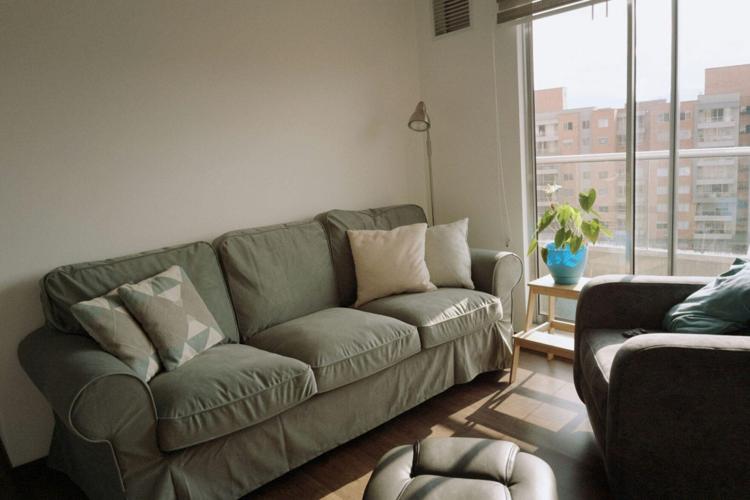

Most people can immediately tell when a home feels comfortable, even if they cannot explain exactly why. The temperature feels balanced, the air seems fresher, rooms feel easier to relax in, and daily routines flow naturally without interruption. These subtle details often go unnoticed when everything works well, yet they have a powerful influence on how a space is experienced. True home comfort is rarely created by one dramatic feature alone, it comes from many smaller elements working together consistently in the background.
As expectations around living environments continue to evolve, homeowners are paying closer attention to the systems and details that shape everyday comfort. Airflow, humidity, temperature consistency, and overall efficiency all contribute to how welcoming a home feels over time. When these elements are managed properly, they create an environment that supports relaxation, productivity, and overall wellbeing without constantly drawing attention to themselves.
Consistent Temperature Creates a Sense of Stability
One of the most important yet overlooked comfort factors is temperature consistency. Homes that fluctuate between hot and cold areas often feel less relaxing, even if the difference is subtle. Uneven heating or cooling can disrupt sleep, concentration, and general comfort throughout the day.
Reliable systems from providers such as Advanced Home Services help maintain stable indoor temperatures that support a more balanced living environment. When climate systems operate efficiently and consistently, comfort becomes something people experience naturally rather than something they constantly adjust.
Airflow Influences How a Space Feels
Airflow is another detail that strongly affects home comfort, often without people consciously noticing it. Stale air, poor circulation, or inconsistent ventilation can make a home feel heavier and less inviting. Proper airflow, on the other hand, creates a fresher and more open atmosphere.
Solutions connected to Bumble Breeze HVAC reflect how modern HVAC approaches focus not only on heating and cooling but also on improving circulation and indoor air quality. Balanced airflow contributes to a healthier and more comfortable home environment overall.
Noise Levels Affect Relaxation More Than Expected
Comfort is not limited to temperature and air quality. Sound also plays a major role in how people experience a space. Loud HVAC systems, rattling vents, or constant background noise can subtly increase stress and make a home feel less peaceful.
Quiet, efficient systems help create a calmer atmosphere where people can relax more easily. Even though homeowners may not actively think about sound levels every day, they often notice the difference when a space feels unusually calm and balanced.
Humidity Impacts Both Comfort and Air Quality

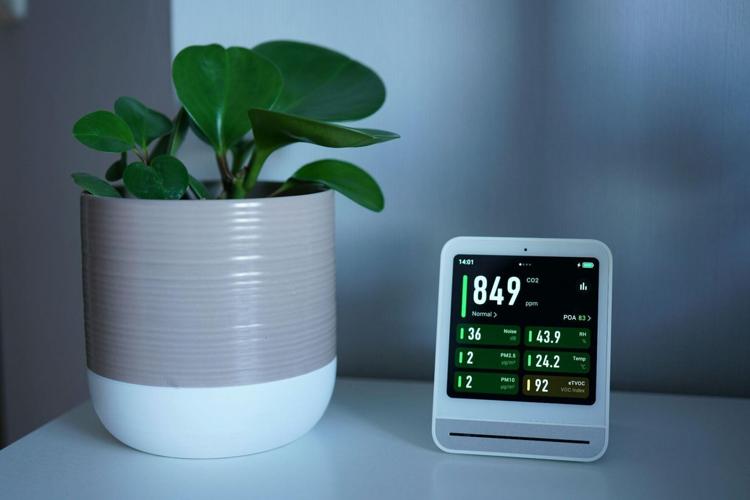
Humidity is one of the least visible factors influencing indoor comfort. Air that is too dry can make rooms feel uncomfortable, while excess humidity can create heaviness and affect overall air quality. Maintaining proper moisture balance is essential for creating a stable environment.
According to the U.S. Environmental Protection Agency, indoor air quality and humidity management play an important role in maintaining healthy living conditions. Proper climate systems help regulate these conditions automatically, improving comfort without requiring constant adjustment.
Small Delays and Disruptions Shape Daily Experience
People often notice comfort most clearly when something interrupts it. Waiting for rooms to cool down, dealing with inconsistent water temperatures, or constantly adjusting thermostats creates small frustrations that affect daily routines over time.
The absence of these disruptions is what makes a home feel effortless to live in. Systems that respond quickly and operate reliably allow routines to flow smoothly, creating a subtle but meaningful sense of ease throughout the day.
Energy Efficiency Adds Another Layer of Comfort
Modern comfort is increasingly tied to efficiency. Homes that maintain stable conditions without excessive energy use feel more manageable financially and environmentally. Efficient systems reduce waste while still supporting a comfortable environment.
This balance between performance and efficiency has become an important expectation for many homeowners. Comfort is no longer just about results, it is also about how sustainably and reliably those results are achieved.
Well-Maintained Systems Stay Invisible
One sign of a truly comfortable home is that its systems rarely draw attention to themselves. When heating, cooling, and ventilation work properly, people simply enjoy the environment without thinking about what is happening behind the scenes.
Regular maintenance plays a major role in achieving this consistency. Systems that are inspected and serviced routinely are more likely to perform smoothly and avoid unexpected issues that disrupt comfort.
True Comfort Comes From Consistency
Ultimately, the details people notice most are often the ones they never consciously think about. Balanced airflow, stable temperatures, quiet systems, and reliable performance all combine to create a home that feels naturally comfortable.
These subtle factors shape how people experience their living environment every day. By focusing on consistency and system performance, homeowners can create spaces that feel welcoming, functional, and comfortable in ways that are immediately felt, even if they are not always consciously recognized.

(0) comments
We welcome your comments
Log In
Post a comment as Guest
Keep it Clean. Please avoid obscene, vulgar, lewd, racist or sexually-oriented language.
PLEASE TURN OFF YOUR CAPS LOCK.
Don't Threaten. Threats of harming another person will not be tolerated.
Be Truthful. Don't knowingly lie about anyone or anything.
Be Nice. No racism, sexism or any sort of -ism that is degrading to another person.
Be Proactive. Use the 'Report' link on each comment to let us know of abusive posts.
Share with Us. We'd love to hear eyewitness accounts, the history behind an article.