
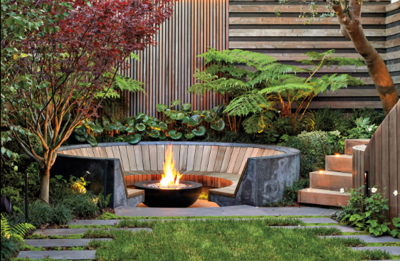

Outdoor spaces are influential to indoor comfort levels - Patios, gardens, fences and shade structures determine the amount of heat that enters nearby rooms during warm months. A planned outdoor area is able to lower direct sunlight, increase airflow plus lower the temperature of surrounding surfaces - these changes are helpful for creating a comfortable indoor environment and reducing the use of cooling systems.
Designing outdoor spaces for temperature control is possible without major construction. Minor adjustments in landscaping but also layout are sufficient to make nearby rooms feel cooler throughout the day. Features that provide shade and natural airflow are often effective at reducing heat accumulation around windows, walls as well as entryways.
Tree Placement Around the Home
Trees function as natural instruments to lower temperatures in outdoor and indoor areas. They block direct sunlight from reaching a building when people place them near walls or windows that face the sun - this placement reduces how much heat a structure absorbs plus results in lower indoor temperatures during the day. Deciduous trees are functional because they provide shade during summer and permit sunlight to enter during colder seasons.
Tree placement also influences how air moves around a property. Large trees that grow close to each other are often responsible for blocking breezes but also creating still air. Homeowners are more successful when they study sunlight directions and wind patterns before they plant. Balanced layouts are helpful for comfort as well as assist nearby rooms in remaining cool without a complete dependence on mechanical systems.
Shade Structures for Outdoor Areas
Covered patios but also shade sails are able to lower heat exposure around exterior walls and windows - these structures are effective because they create shaded outdoor spaces that absorb less heat than open concrete or stone surfaces. Rooms located beside covered patios are often cooler because less direct sunlight reaches the walls as well as windows during the afternoon.
Daily use of outdoor areas is more comfortable when shade structures are present. Homeowners who spend time in shaded spaces are likely to use less indoor cooling during mild weather. In some cases, combining outdoor shade improvements with air conditioner installation Brampton services is an effective way to create an energy efficient cooling strategy for the entire home.
Surface Materials & Heat Reduction
Outdoor materials are significant factors in surrounding temperatures. Dark surfaces, like black asphalt and deep colored stone, absorb or retain heat throughout the day - this stored heat is able to move toward nearby rooms long after sunset. Choosing light colored paving materials is helpful to reflect sunlight and lower surface temperatures around the home.
Permeable materials next to natural ground cover are also useful to limit heat accumulation. Gravel and mulch are typically cooler than solid concrete surfaces. Replacing large paved sections with soft landscaping features is a way to improve outdoor comfort plus lower heat transfer into adjacent rooms - these changes are beneficial for homes with large patios or walkways near living spaces.
Outdoor Layout & Airflow
The arrangement of outdoor furniture, fences and landscaping features is influential to how air moves around the property. Open layouts are helpful for cross ventilation but also allow cooler air to circulate near doors and windows - this natural airflow is able to remove trapped heat as well as create a fresh indoor environment.
Tall solid fences and large decorative structures are sometimes restrictive to airflow if they are placed incorrectly. It is better for homeowners to leave open space so that breezes move through outdoor areas naturally. Proper airflow is important during summer when heat accumulates around exterior walls. Good ventilation outdoors is supportive of indoor comfort or reduces the demand on cooling systems.
Water Features & Cooling Effects
Water features are effective at lowering outdoor temperatures when users install them properly. Small fountains, ponds or water walls are cool because water evaporates into the air. Locations close to moving water are comfortable during hot periods, particularly when these spots are near shade and plants.
People are more comfortable when they place these features in areas that do not increase humidity near windows or doors. Routine care is essential because equipment is prone to drainage or moisture issues without attention. Property owners who pay for frequent air conditioner repair services are often mindful that every part of a cooling strategy is important for comfort.
Plants & Green Barriers
Climbing plants next to vertical gardens are helpful to lower heat around the home. Green barriers placed near walls and patios provide natural insulation from sunlight plus reflected heat. Climbing vines on trellises are useful for reducing heat exposure on walls that receive strong afternoon sun.
Plants are also beneficial for the atmosphere of outdoor spaces because they create cool and inviting surroundings. Dense greenery is able to lower surrounding temperatures but also lower the intensity of light from reflective surfaces. Choosing plants suited to the local climate is a way to ensure healthy growth. A designed area is supportive of indoor comfort and improves the appearance as well as function of the property.
Long-Term Comfort Planning
The creation of outdoor areas that provide cooling is a process that requires a significant amount of time. Homeowners are responsible for considering the ways that trees, buildings and plants develop or alter as the years pass. A plan is most successful when it provides a balance between physical comfort, the work required for upkeep and the conservation of energy - this approach is useful for making outdoor spaces functional during every season.
Cooling methods for the outdoors are most helpful when people use them alongside regular home repairs plus high performing indoor climate systems. Shaded areas, surfaces that stay at lower temperatures and the movement of air are all factors that make a home pleasant to live in. People are able to lower the buildup of heat through natural means when they plan their yards with temperature in mind - these strategies are also effective for making both the interior and exterior of a house comfortable.


(0) comments
We welcome your comments
Log In
Post a comment as Guest
Keep it Clean. Please avoid obscene, vulgar, lewd, racist or sexually-oriented language.
PLEASE TURN OFF YOUR CAPS LOCK.
Don't Threaten. Threats of harming another person will not be tolerated.
Be Truthful. Don't knowingly lie about anyone or anything.
Be Nice. No racism, sexism or any sort of -ism that is degrading to another person.
Be Proactive. Use the 'Report' link on each comment to let us know of abusive posts.
Share with Us. We'd love to hear eyewitness accounts, the history behind an article.