

You called three solar installers last month. One wanted 20 panels, one said 14 would work, and one told you to replace the roof first. The prices were nowhere close.
That gap usually starts with two things, roof condition and local code.
If your roof is not ready or the layout ignores Palo Alto rules, the cheapest quote can turn into the slowest and most expensive job.
Key Takeaways
Start with roof condition and local rules, and weak bids become easy to spot.
- Roof age and condition shape the whole job. They affect mounting, cost, and whether roof work should happen first.
- Palo Alto uses SolarAPP+ for qualifying rooftop solar. Projects with no battery or service upgrade may move faster.
- Fire access rules limit panel layout. Walkways and ridge setbacks must be shown before permit review.
- CPAU uses its own NEM 2 billing program. PG&E's NEM 3.0 rules do not apply inside Palo Alto utility territory.
- Credentials matter. Look for a CSLB C-46 license and give extra weight to NABCEP training.
What Roof Readiness Really Means
A solar-ready roof is solid, open, and laid out so the design can pass city review.
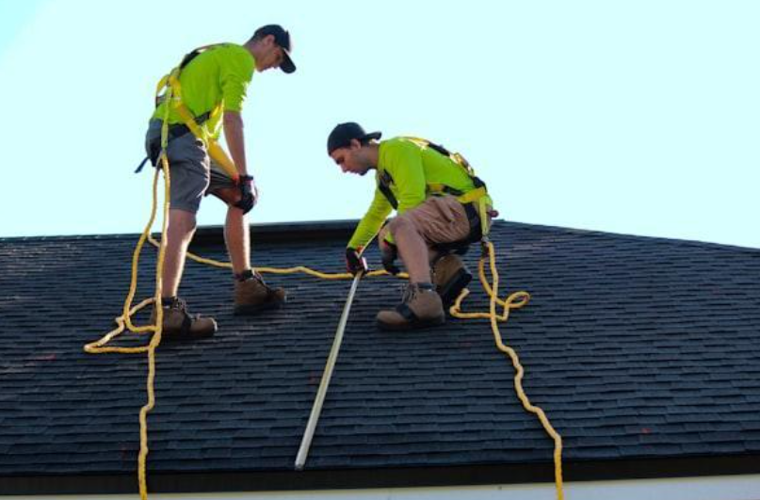
That means the roof can handle the added weight, has enough clear space, and gives installers a safe path for wiring back to the main panel. Palo Alto also wants plans to show equipment, panel size, shutoff features, and the labels first responders need in an emergency.
Do a quick self-check before site visits. Note the roof's age, any leaks or sagging, the amount of shade, the roof material, and the location of vents or skylights. Those five details help installers give cleaner bids.
Benefits Of Checking The Roof First
A short roof check saves money, time, and stress later.
Cut Surprises And Change Orders
If you spot cracked tile, worn shingles, or ponding water early, the installer can price the job correctly the first time. That cuts mid-project add-ons and awkward contract changes.
Speed Up Permits And Inspections
Projects that fit SolarAPP+ and follow fire setback rules move faster. SolarAPP+ is an automated permit review tool, so qualifying systems can avoid a longer manual review.
Improve Safety And Resale Value
Clean attachments, clear labels, and approved plans matter later too. Most luxury home design and resale guides emphasize the same record-keeping habit, since buyers and appraisers consistently pay more attention to documented improvements than to the work itself looking good on a walkthrough. Keep a folder with permits, plans, warranties, and the interconnection paperwork in case you sell the home.
What To Inspect On Your Roof
Five checks will tell you if a roof can take solar without ugly surprises.
Check Structure And Weight
Most attached solar systems add about 3 pounds per square foot. Flat-roof ballasted systems can add about 4 to 6 pounds per square foot, so ask how the installer will confirm structure, rafter hits, and flashing points.
Check Surface Condition And Remaining Life
If the roof is already near the end of its life, replace it before solar goes on. Pulling panels off later for reroofing adds labor, delays, and another round of coordination.
Check Layout, Shade, And Orientation
Ask which roof plane gets the most sun over a full year, not just at noon on a clear day. A shade report and annual energy estimate help you compare bids on output, not just panel count.
Check Fire Access Pathways And Ridge Setbacks
Palo Alto follows California Fire Code 1204.2 for roof access. If the design ignores walkways or ridge clearance, the city can send it back for revision before approval.
Check Electrical Tie-In And Labels
Ask how the system will connect to your main service panel and whether the panel can handle it. Your installer should explain busbar limits, the safe load limit inside the panel, plus rapid-shutdown labels and other required markings.
How To Compare Palo Alto Installers
Good bids use the same inputs, show the same level of detail, and match local code from the start.

Share the same facts with every bidder. Send 12 months of electric use, photos of the roof and attic, a photo of the main panel, and the roof's age and material. That alone makes quotes easier to compare.
Ask for clear outputs. Every proposal should show expected annual kWh, the mounting method, and any roof work needed before install. If one bid skips those details, it is not a better deal, it is just thinner paperwork.
Verify licenses and training. A California solar installer should hold a CSLB C-46 license. NABCEP certification is also worth asking about because it shows extra training in solar design and installation.
Compare design choices. Microinverters, string inverters with optimizers, flush mounts, and low-slope tilt racks all solve different problems. Ask why the installer chose that setup for your roof, not for a generic house.
After you line up annual kWh, mounting method, needed roof work, license status, and inverter choice, it helps to get one nearby estimate built for a flat or foam roof. For a local benchmark that lets you compare mounting details, waterproofing notes, site-visit timing, and scope clarity with the same roof facts in hand, review the best solar panel installation in Palo Alto before you choose a bid.
Permits, Interconnection, And Billing In Palo Alto
Your installer needs to know Palo Alto rules, because city review and CPAU billing shape the whole project.
Permits: Standard rooftop solar may qualify for SolarAPP+ instead of a full plan review. If the job includes battery storage or a service panel upgrade, it usually moves to the longer review path.
Interconnection and billing: CPAU, not PG&E, runs local service. New solar customers use CPAU's NEM 2 tariff, which is net energy metering, the billing system for power you send back to the grid, with an annual true-up or end-of-year balance.
What this means for hiring: Pick a team that already knows CPAU forms, local inspections, and fire pathway rules. That experience lowers the chance of redesigns, failed inspections, and slow utility approval.
Incentives And Warranties To Keep Simple
Keep incentives and warranties simple so you can compare real value, not marketing promises.
The main incentive for most homeowners is the federal residential clean energy credit, which covers 30 percent of eligible project cost for systems placed in service from 2022 through 2032. It is claimed with IRS Form 5695.
For warranties, compare four things, panel output, inverter term, workmanship coverage, and any roof-penetration promise. Also ask who handles service if the original sales company closes or gets sold.
Use Local Rules To Your Advantage
Local rules are not a hurdle when the design is solid from day one.
Start with the roof, then verify licenses, then compare permits, billing, and warranty terms. The right installer will make those steps feel clear, not confusing.
FAQs
These four questions come up on almost every Palo Alto solar quote.
How Old Can My Roof Be And Still Make Sense For Solar?
A roof should usually have at least 10 to 15 years of useful life left. If replacement is close, do that first so you do not pay later to remove and reinstall the system.
Can Tile, Flat, Or Foam Roofs In Palo Alto Handle Solar Safely?
Yes, but the mounting method changes by roof type. Tile needs careful flashing and specialty hardware, while flat and foam roofs need extra attention to waterproofing and added weight.
How Long Does Permitting Usually Take In Palo Alto?
Qualifying rooftop systems can move faster through SolarAPP+ than projects that need full review. Batteries and service upgrades usually add time because the city must review more details.
Can My HOA Stop Me From Putting Solar On My Roof?
California's Solar Rights Act limits how far an HOA can go. An HOA may set reasonable design rules, but it generally cannot block solar outright or force changes that sharply raise cost or cut output.
(0) comments
We welcome your comments
Log In
Post a comment as Guest
Keep it Clean. Please avoid obscene, vulgar, lewd, racist or sexually-oriented language.
PLEASE TURN OFF YOUR CAPS LOCK.
Don't Threaten. Threats of harming another person will not be tolerated.
Be Truthful. Don't knowingly lie about anyone or anything.
Be Nice. No racism, sexism or any sort of -ism that is degrading to another person.
Be Proactive. Use the 'Report' link on each comment to let us know of abusive posts.
Share with Us. We'd love to hear eyewitness accounts, the history behind an article.