

The decision to 'go solar' is a big one with lasting impacts on your home's energy usage, carbon footprint, and property value. More solar panel options are available now. Picking the one that best fits your needs and goals is vital.
Here's a comprehensive guide to help you select the most suitable type of backyard solar panels for your home.
Check Your Budget
Backyard solar panels have different prices. These prices depend on their size, efficiency, and energy generation capacity. Before deciding, it's essential to determine your budget and how much you're willing to invest in this renewable energy source.
You should also research the available financing options. These options include solar loans and leasing programs. They can help make the upfront costs more manageable.
Backyard solar systems are a long-term investment. Most panels last 25 years or more. This means you should also consider the long-term cost savings and returns on this investment in your budget planning.
Assess Your Energy Needs
The size and type of solar panel system you choose will depend on your household's energy consumption. You must assess your current energy usage. Also, consider potential future changes, like adding new appliances or expanding your home.
Solar panels vary in how much energy they can produce. So, pick one that can meet your needs.
Your location may also affect your renewable energy needs. Sunny areas need fewer panels for the same energy.
Understand Different Types of Solar Panels
There are three main solar panel types. This includes monocrystalline, polycrystalline, and thin film.
Monocrystalline Panels
Monocrystalline panels are made from a single large silicon crystal and have a uniform black look. They are known for their high efficiency and energy production. This makes them suitable for smaller spaces with limited roof space.
Monocrystalline panels also have a longer lifespan and need less maintenance than other types. This makes them a popular choice for residential use.
Polycrystalline Panels
Polycrystalline panels are made from many tiny silicon crystals with a blue hue. They are less expensive than monocrystalline panels but have lower efficiency levels.
Polycrystalline panels are suitable for larger spaces with ample roof space. However, they need more space to generate the same energy as monocrystalline panels.
Thin Film Panels
Thin film panels are made from layers of photovoltaic material and have a sleek, black appearance. They are the most cost-effective option but also have the lowest efficiency levels.
Thin film panels need more surface area than monocrystalline and polycrystalline panels. This makes them fit for large commercial buildings or open spaces.
Consider Aesthetics
It's essential to consider the aesthetics of your solar panel system. Monocrystalline and polycrystalline panels have a traditional look. Thin film panels have a modern appearance.
It's also worth considering the color of your roof, as some types of solar panels may blend in better than others. Some companies also offer customizable options.
You can pick panel colors to match your home's exterior. Backyard solar panels are a long-term investment, so choosing a visually appealing system is essential.
Maintenance and Warranty
Make sure to research the maintenance requirements and warranty options for solar panels. It's also essential to understand the warranty coverage for your chosen system.
This can include the length of coverage. It covers things like defects or damage. It also consists of any extra costs for warranty repairs.
Proper maintenance is crucial for ensuring the longevity and efficiency of your solar panel system. This includes regular cleaning, monitoring energy production, and performing necessary repairs. Some companies also offer maintenance packages for backyard solar panels for a lower cost.
Installation Process
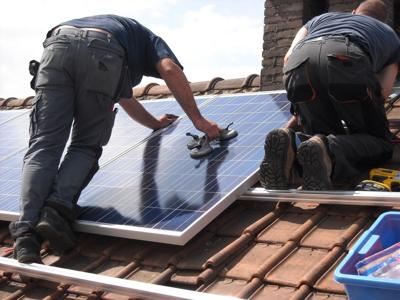
Installing backyard solar panels requires professional installation, so it's essential to research and compare different companies. Look for experienced installers, top-rated Boise solar panel installation, who have a good reputation and offer warranties for their work.
You should also consider the time frame for installation and any potential disruptions to your daily routine. A good company will give you a clear timeline for the installation.
They will also tell you about any possible delays or issues. They will also handle all necessary permits and paperwork for you.
Environmental Impact
Installing backyard solar panels also helps the environment. Solar energy is a clean and renewable energy source. It dramatically cuts carbon emissions and fights climate change.
By choosing to go solar, you're helping to build a more sustainable future. You're also reducing your dependence on non-renewable energy.
You must consider the environmental impact when choosing your solar panel system. Choose one with high efficiency for maximum energy.
This will also reduce your carbon footprint and help protect the planet. Additionally, consider companies that prioritize sustainable practices in their manufacturing process.
Evaluate Local Regulations and Incentives
Before installing backyard solar panels, you must learn any local rules. These rules include regulations, zoning laws, and homeowners association (HOA) rules.
They may affect your project. Some areas may have specific requirements about the installation and visibility of solar panels.
Additionally, research available local, state, and federal incentives, such as tax credits or rebates, that can reduce the cost of your solar panel system. These incentives make solar energy more affordable and encourage sustainable practices.
Energy Storage Options
Considering energy storage options such as solar batteries is crucial when investing in backyard solar panels. Energy storage systems allow you to store excess energy.
You can then use it at night or on cloudy days. This ensures a consistent energy supply.
This can significantly boost the efficiency and reliability of your solar power system. It will give you more energy independence.
It might even let you go off-grid. It's worth researching and comparing different energy storage options and their compatibility with your chosen solar panel system.
Grid Connection and Net Metering
Another factor to consider is connecting your solar panel system to the grid through net metering. Net metering allows you to sell excess electricity generated by your solar panels back to the utility company, which can lower your monthly electricity bills or earn you credits.
Understanding how net metering works in your area and the rates offered can impact your decision on the size and type of system to install. This can also affect the payback period and return on your investment.
Installing the Best Backyard Solar Panels
Choosing the correct type of backyard solar panels for your home involves careful consideration of various.
Regularly maintain and monitor your solar panel system for optimal efficiency and cost savings. With the right choice, you can enjoy the benefits of renewable energy while reducing your carbon footprint.
Want to learn more? Visit our website and read more.

(0) comments
We welcome your comments
Log In
Post a comment as Guest
Keep it Clean. Please avoid obscene, vulgar, lewd, racist or sexually-oriented language.
PLEASE TURN OFF YOUR CAPS LOCK.
Don't Threaten. Threats of harming another person will not be tolerated.
Be Truthful. Don't knowingly lie about anyone or anything.
Be Nice. No racism, sexism or any sort of -ism that is degrading to another person.
Be Proactive. Use the 'Report' link on each comment to let us know of abusive posts.
Share with Us. We'd love to hear eyewitness accounts, the history behind an article.